House Fly Management & Biology in Home Composters
Analysis of Musca domestica's ontogenetic development and integrated pest management strategies for optimizing home composting.

Ontogenetic Cycle and Developmental Stages of Musca domestica
The presence of house flies (Musca domestica) in the vicinity of a composter is a common occurrence, driven by the abundance of decomposing organic matter. Understanding the biological cycle of these insects is fundamental to effectively managing compost and maintaining ecological balance in the garden. This knowledge allows for the implementation of practices that reduce fly proliferation, ensuring an efficient and hassle-free composting process.
The life cycle of the house fly is holometabolous, meaning it undergoes complete metamorphosis, including four stages: egg, larva, pupa, and adult. Females lay between 75 and 150 whitish eggs in moist, decomposing organic matter, such as food scraps or manure. These eggs hatch in approximately 8 to 24 hours, giving rise to small white larvae, commonly known as maggots. The larvae are voracious, actively feeding on the organic substrate for 4 to 13 days, progressing through three growth instars. Subsequently, they transform into pupae, an immobile, reddish-brown stage that lasts between 2 and 10 days. Finally, the adult fly emerges, ready to reproduce. The total duration of the cycle is highly dependent on ambient temperature and humidity, being faster under warm and humid conditions. Within compost, these conditions are often optimal, favoring a rapid succession of generations.
Ecological Interaction Between Organic Substrate and Dipteran Populations
Compost, by its nature, constitutes an ideal habitat for the development of Musca domestica. The accumulation of fresh organic waste, particularly nitrogen-rich materials like fruit and vegetable scraps and coffee grounds, generates a warm and humid environment. This combination offers a constant food source and the necessary thermal conditions for egg incubation and larval development. Flies are attracted by the odors released during the early stages of decomposition, perceiving the compost as an optimal site for oviposition. Although their contribution to decomposition is minimal compared to microbial action, the presence of larvae can indicate an imbalance in the composter, suggesting excessive moisture or a lack of dry material to cover fresh waste.
To minimize the presence of flies in the composter, the implementation of appropriate practices is crucial. A fundamental strategy is to ensure a balanced ratio of carbon-rich materials (dry materials such as dead leaves, shredded branches, cardboard) and nitrogen-rich materials (fresh kitchen scraps). It is vital to always cover fresh organic waste with a layer of dry material at least 10-15 cm thick. This not only deters flies from laying eggs but also helps maintain moisture and carbon-nitrogen balance. Regular aeration of the compost, by turning it every few days, increases internal temperature and disrupts the larval habitat. Furthermore, maintaining the compost at a moisture level similar to that of a wrung-out sponge prevents excess dampness that attracts flies. Some modern composters, such as tumblers or enclosed systems, offer greater protection against insect entry, representing an innovation in pest management. Recent research, such as that published by INTA, recommends these practices to optimize the process and reduce the incidence of undesirable insects. Learn more about home composting procedures
Integrated Management of Dipteran Populations in Composting
While house flies in a composter may seem like a minor nuisance, their uncontrolled proliferation has implications for garden health and environmental sanitation. Adult flies are potential vectors of pathogens, capable of transporting bacteria and other microorganisms from the compost (or any other source of decomposing organic matter) to cultivated plants or even fresh food at home. Good compost management reduces this risk, contributing to a more hygienic and healthy growing environment. Preventing the mass reproduction of Musca domestica in the composter aligns with the principles of organic agriculture and permaculture, which aim to maintain a balanced and resilient ecosystem, minimizing the need for external interventions and enhancing natural processes.
Conscious compost management, by understanding the life cycle of the house fly and applying preventive strategies, is key to a sustainable gardening system. By adopting practices such as material balancing, adequate covering, and regular aeration, gardeners not only produce high-quality fertilizer but also contribute to the overall health of their garden’s ecosystem, minimizing unwanted interactions with these dipterans. Well-managed compost is a testament to informed and environmentally responsible gardening.
Related Articles

Deep Water Culture: Hydroponic Principles, Components, and Nutritional Optimization
Explore the DWC hydroponic system: oxygenation principles, essential components, and pH/EC management for optimized production.

Cultivating Resilience: Essential Permaculture Strategies for Your Home Garden
Learn essential permaculture techniques to transform your home garden into a resilient, productive, and sustainable ecosystem for abundant harvests.

Cultivate Your Own Oasis: A Beginner's Journey to a Thriving Home Garden
Understand the joy of growing your own food with this comprehensive guide to starting and nurturing your home garden.
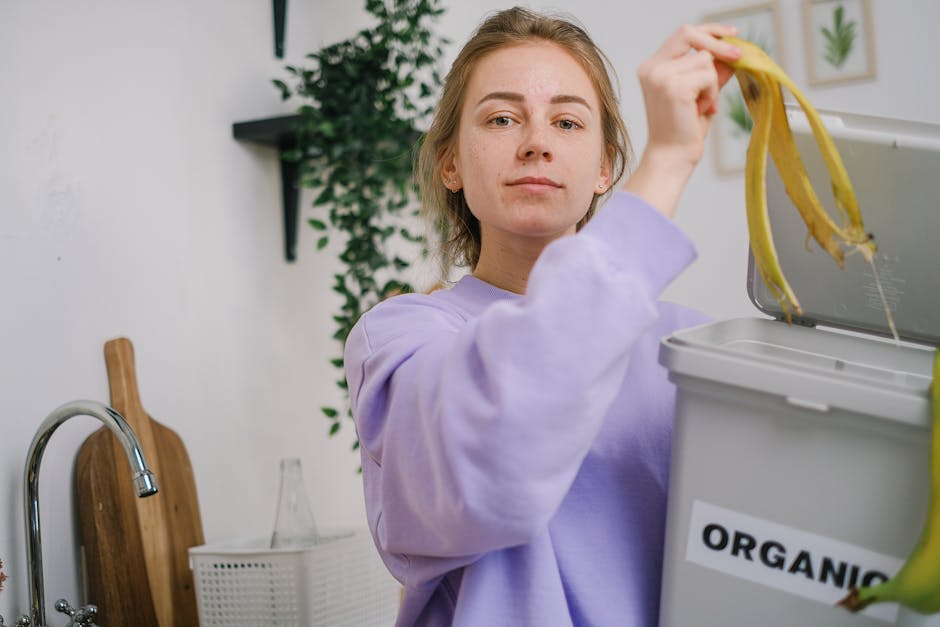
Homemade Organic Fertilization: Composting, Vermicomposting, and Leachate for Sustainable Gardens
Master composting, vermicomposting, and leachate methods to create homemade organic fertilizers for eco-friendly crop nutrition.