Adaptation and Agronomic Management of Fava Beans (Vicia faba) in Cold Climates
Optimizing fava bean cultivation in low temperatures through variety selection, soil management, and frost protection for agricultural resilience.

Selecting Vicia faba Varieties for Cold Tolerance
The cultivation of fava beans (Vicia faba) represents a valuable agronomic strategy for regions with harsh winters, offering a nutritious food source and contributing to soil health. Their ability to thrive in low temperatures makes them an ideal choice for family gardens and small-scale productions in cold climates, such as those characterizing various areas of Argentina and the Southern Cone. The appropriate selection of varieties and the implementation of specific management techniques are fundamental to ensuring a successful harvest and maximizing their productive potential, even under challenging climatic conditions.
The choice of genetically cold-adapted varieties is the critical first step. Fava bean cultivars with proven tolerance to low temperatures exist, minimizing the risk of losses from early or late frosts. Varieties such as ‘Aguadulce Supersimonia’ or ‘Muchamiel’ are known for their winter hardiness, exhibiting greater resistance to thermal fluctuations. Current breeding programs, driven by institutions like INTA in Argentina, focus on developing new lines with improved resistance not only to cold but also to common diseases, optimizing productivity in changing climate scenarios. Recent research underscores the importance of long-cycle varieties, which better leverage cold periods for deep root development before flowering. For detailed information on specific cultivars and their regional adaptation, consult the INTA seed catalog [https://inta.gob.ar/]. The available genetic diversity allows growers to select options that align with the microclimatic conditions of their gardens.
Soil Management and Sowing Strategies in Cold Environments
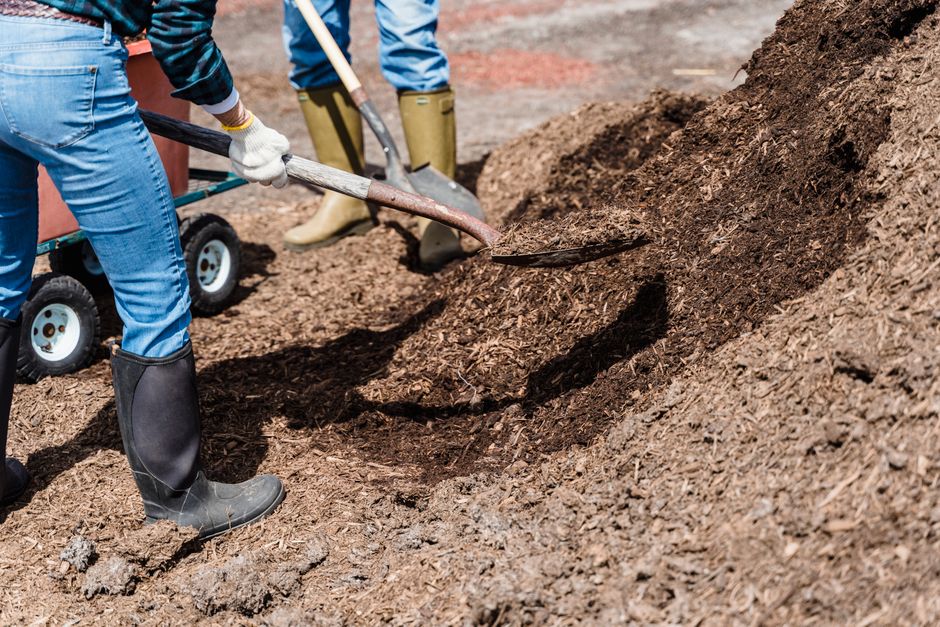
The preparation of the seedbed is crucial for establishing fava beans in cold climates. These legumes prefer well-drained soils with a pH between 6.0 and 7.0, rich in organic matter. Incorporating mature compost or worm castings in the autumn prior to sowing improves soil structure, water retention capacity, and thermal insulation. Direct sowing in autumn, before the most intense frosts, allows seeds to germinate and develop a strong root system, preparing them for winter dormancy. A sowing depth of 5-7 cm protects the seeds from low temperatures and predation. Optimal spacing between plants of 15-20 cm and between rows of 40-60 cm facilitates air circulation and reduces competition for resources. Applying mulch with straw, dry leaves, or wood chips around the seedlings is an effective technique. This organic material acts as a thermal insulator, stabilizing soil temperature, conserving moisture, and suppressing weed growth. Agroecology studies demonstrate that mulching reduces the impact of frost on shallow roots and promotes microbial activity, crucial elements for crop resilience.
Despite the hardiness of fava beans, extreme or late frosts can compromise the crop. Active protection of seedlings is vital during critical periods. The use of low tunnels (micro-tunnels) or thermal blankets (agrotextiles) during the coldest nights creates a protective microclimate that raises ambient temperature by several degrees. These structures should be removed during the day to allow for ventilation and pollination. Another strategy involves staggered sowing, which distributes the risk of loss from adverse weather events. Irrigation should be moderate in winter, avoiding waterlogging that can lead to root rot, especially in cold soils. Slightly moist soil is preferable to saturated soil. Regarding phytosanitary management, fava beans in cold climates are susceptible to aphids and some fungal diseases like rust (Uromyces viciae-fabae). Crop rotation, removal of plant debris, and the use of resistant varieties are key preventive measures. Introducing beneficial insects, such as ladybugs, constitutes an effective biological control practice against aphids. Apical pruning of young plants, once they reach about 60-70 cm, stimulates lateral branching and improves pod production, in addition to reducing aphid incidence on tender shoots.
Frost Protection Techniques in Fava Bean Cultivation
The harvest of fava beans occurs when the pods are turgid and the seeds have reached an adequate size, generally before the pod begins to harden. This staggered process allows for an extended harvesting period. Young, tender, and sweet fava beans are excellent for fresh consumption, while more mature ones can be dried for storage or later use. Beyond their nutritional value, fava beans are fundamental in a sustainable agricultural system. As legumes, they establish symbiosis with nitrogen-fixing bacteria (Rhizobium) in their roots, enriching the soil with this essential macronutrient. This characteristic makes them an excellent crop for rotation, improving natural soil fertility and reducing the need for synthetic fertilizers. Their integration into permaculture systems contributes to garden biodiversity and nutrient cycling. The residual biomass of the plants, once the pods are harvested, can be incorporated into the soil as green manure, or used in the compost pile, closing the nutrient cycle and promoting long-term soil health. Growing awareness of food security and climate resilience drives research into the role of crops like fava beans in adapting agricultural systems to changing conditions.
Cultivating fava beans in cold climates is not only feasible but represents an opportunity to diversify food production and strengthen garden sustainability. Through the selection of appropriate varieties, meticulous soil preparation, the implementation of frost protection techniques, and conscious cultural management, growers can ensure abundant harvests. The integration of these practices not only benefits individual productivity but also contributes to the resilience of agricultural systems in the face of current climate challenges, reaffirming the value of legumes in building a more robust and sustainable agriculture.
Related Articles
Soil Water Conservation: Mulch & Physical Mechanisms
Examines physical principles of mulching, categorizes organic and inorganic materials, and details application strategies for maximizing water retention.

Cutting Propagation: Fundamentals, Methodologies, and Sustainable Applications in Horticulture
Understand the principles of vegetative propagation by cuttings, from material selection to rooting techniques and innovative applications.

Grow Your Own Green Gold: Mastering Yerba Mate Cultivation at Home
Learn how to cultivate Yerba Mate, the iconic South American herb, in your own garden with expert tips and actionable advice.

Yerba Mate Cultivation: Essential Agronomic Practices for Optimal Growth
Master essential agronomic practices for successful yerba mate cultivation, from climate and soil to propagation and harvest.