Scutia buxifolia: Key Host for Argentinian Blue Morpho
Cultivation and propagation of Scutia buxifolia, its vital ecological role, and conservation strategies for the Argentinian Blue Morpho butterfly.

Plant-Insect Interaction Ecology: Scutia buxifolia and Morpho epistrophus argentinus
The Coronilla (Scutia buxifolia), a native shrub of great ecological value, stands as a fundamental pillar for the conservation of the Argentinian Blue Morpho butterfly (Morpho epistrophus argentinus). This plant species not only beautifies the landscapes of the Pampas region and the Argentine Littoral but also serves as the sole host plant for the larvae of this iconic butterfly, whose presence is an indicator of the environmental health of our ecosystems. Understanding and applying appropriate cultivation techniques for Coronilla becomes a direct and significant action to promote local biodiversity and protect the Blue Morpho butterfly, an emblem of our fauna.
Morphological Characteristics of Scutia buxifolia
The Coronilla shrub, belonging to the Rhamnaceae family, is distinguished by its robustness and evergreen foliage. It features intricate, thorny branches with small, glossy, deep green leaves, giving it a dense and ornamental appearance. Its tiny, yellowish-white flowers are a nectar source for various pollinating insects, while its small, dark berries serve as food for birds. This species adapts to a wide range of soils, from sandy to clay, and tolerates drought conditions once established, making it a resilient choice for gardens and ecological restoration projects.
Geographical Distribution and Natural Habitat
Coronilla is naturally found in Argentina, Paraguay, Uruguay, and southern Brazil, playing a key role in xerophytic forests and riverbanks of the Pampas and Espinal regions. Its presence is vital in the formation of ‘montes’ or ‘talas’ – characteristic ecosystems of central and eastern Argentina – where it contributes to soil stability and provides shelter for native fauna. The resilience of Scutia buxifolia to local environmental conditions positions it as an ideal species for reforestation and native flora-focused gardening projects.
Vegetative Propagation and Soil Requirements of Scutia buxifolia
Edaphoclimatic Requirements for Scutia buxifolia
Establishing Scutia buxifolia in cultivated environments requires consideration of several key factors to ensure optimal development. The plant prefers full sun or partial shade exposure. While tolerant of various soil types, a well-drained, slightly fertile substrate will promote its growth. Coronilla exhibits remarkable drought resistance once established, making it ideal for low-maintenance gardens or those with water restrictions. However, during its initial phase, maintaining consistent moisture, especially during warm months, is crucial.
Propagation Methods: Seeds and Cuttings
Coronilla can be propagated by both seeds and cuttings. Seeds exhibit dormancy due to their hard coat, so mechanical scarification (gentle sanding) or immersion in hot water before sowing is recommended to facilitate germination. Sowing is ideally done in spring in trays with sandy substrate and good drainage. Propagation via semi-hardwood cuttings, taken in spring or autumn, offers an effective alternative, using rooting hormones and a humid environment to maximize success rates. This technique allows for the replication of the mother plant’s genetic characteristics.
Management and Pruning of Coronilla
Phytosanitary Management and Conservation Strategies for the Blue Morpho Butterfly
Proper management of Coronilla includes formative pruning during the early years to establish a strong structure, followed by maintenance pruning to remove dead or diseased branches and control its size. These interventions should preferably be performed in late winter or early spring, before active budding begins, ensuring the plant’s vitality and its capacity to host the butterfly. Strategic pruning can also improve air circulation and light penetration, contributing to the plant’s overall health.
Life Cycle of Morpho epistrophus argentinus
The interaction between Coronilla and the Argentinian Blue Morpho butterfly (Morpho epistrophus argentinus) is a prime example of co-evolution and ecological dependence. Female butterflies lay their eggs individually on the tender leaves of Scutia buxifolia. Upon hatching, the larvae feed exclusively on the Coronilla’s foliage, passing through several instars before pupating. The caterpillar, with its distinctive color pattern, camouflages with its surroundings, developing on the plant until it becomes a chrysalis. The presence of Coronilla is therefore indispensable for completing the butterfly’s life cycle, underscoring its crucial role in the ecosystem.
Strategies for a Blue Morpho-Friendly Garden
To encourage the presence of the Blue Morpho butterfly in gardens and green spaces, planting Scutia buxifolia is the most effective measure. It is crucial to avoid the use of systemic insecticides and pesticides, as these can be lethal to caterpillars and other wildlife. Additionally, creating a diverse habitat that includes other native plants providing nectar for adult butterflies (such as Senecio selloi, Eupatorium inulifolium, or Lantana camara) and shallow water sources will enrich the ecosystem and attract a greater diversity of pollinators. Considering a location for Coronilla that is protected from wind and has sufficient sun exposure will also contribute to the butterfly’s well-being, creating a vital sanctuary.
Environmental Adaptation and Ecological Restoration Potential of Coronilla
Identification of Common Pests in Scutia buxifolia
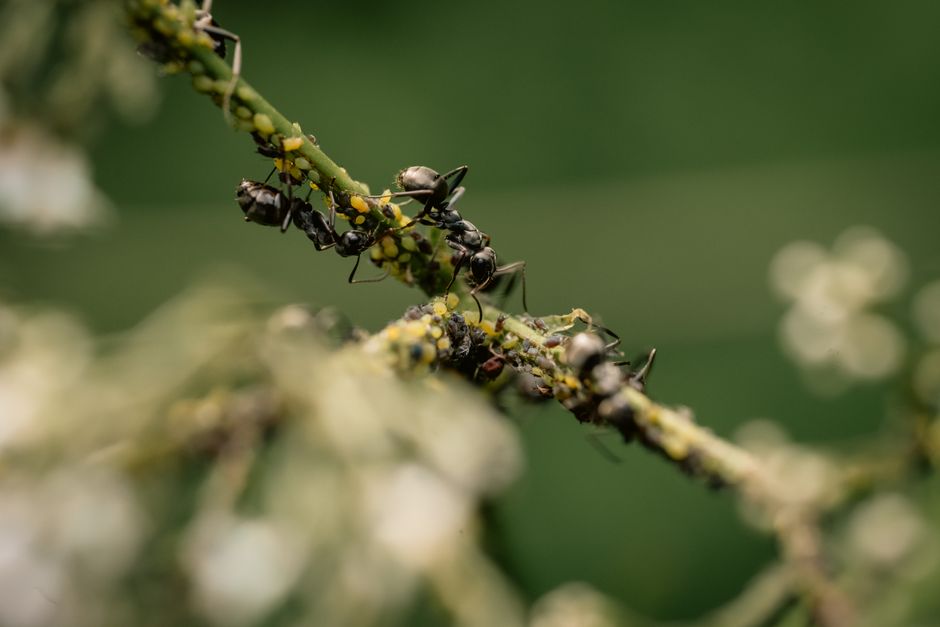
Although Scutia buxifolia is a robust species, it can face some phytosanitary challenges, especially under stress or improper management. Common pests include aphids, scale insects, and spider mites, which typically appear on tender shoots or the underside of leaves. Early identification is key for effective control. Aphids manifest as small green or black insects, while scale insects appear as cottony or waxy coverings attached to stems. Spider mites, barely visible to the naked eye, produce fine webs and leaf discoloration.
Organic Control and Preventive Measures
Implementing organic control strategies is fundamental for protecting butterflies and other beneficial organisms. The use of potassium soap or neem oil can be effective against aphids and scale insects, applied carefully according to manufacturer instructions. Encouraging the presence of natural enemies, such as ladybugs (aphid predators) and lacewings, by diversifying garden plants, is an excellent preventive measure. Ensuring good air circulation around the plant and avoiding excessive foliage moisture can prevent the development of fungal diseases. Regular monitoring and manual removal of pests in their early stages are sustainable practices that contribute to Coronilla’s overall health and the preservation of its role as a host plant.
Cultivating Coronilla (Scutia buxifolia) transcends mere gardening; it represents an active commitment to the conservation of local biodiversity, particularly that of the Argentinian Blue Morpho butterfly. By integrating this native plant into our green spaces, we not only contribute to landscape beauty but also create a vital sanctuary for an emblematic species, aiding the resilience of our ecosystems. Promoting the presence of host plants is a powerful strategy for ecological restoration and an essential step towards a greener future, more connected with our nature.
Related Articles

Life Cycle and Adaptive Strategies of the Order Phasmatodea
The life cycle of stick insects, from mimic eggs to cryptic adults, reveals astonishing evolutionary adaptations and ecological roles.

Homemade Organic Fertilizers: Sustainability and Nutrition for Your Garden
Article covers home composting, compost tea, botanical preparations, green manures, and mulching for sustainable soil enrichment and plant health.

Edible Fruit Hedgerows: Design, Species Selection, and Sustainable Management
Integrate aesthetics and production with edible fruit hedgerows: species selection, strategic design, organic management, and ecological benefits for resilient gardens.
Acacia-Ant Mutualism: Morphological Adaptations and Ecosystem Defense
Symbiotic interactions between acacias and ants: specialized structures, defense mechanisms against herbivores and competing vegetation, and coevolution.