Horticultural Adaptation to the Mediterranean Climate of Chile's Central Valley
Water management, soil health, and plant selection for resilient crops in Chile's Central Valley, optimizing resources and biodiversity.

Adapting Plant Species to the Local Mediterranean Climate
The Central Valley of Chile, with its distinctive Mediterranean climate, presents a unique scenario for gardening and horticulture. Characterized by warm, dry summers and mild, rainy winters, this ecosystem demands specific strategies to ensure the success of any green project. The richness of its soil and the availability of water resources, though fluctuating, have enabled the development of thriving agricultural activity, extending from iconic vineyards to family orchards. Understanding the particularities of this region is fundamental for cultivating healthy and productive plants, transforming every space into an oasis of biodiversity and efficiency.
The Mediterranean climate of the Central Valley imposes particular challenges and opportunities. The prolonged summer drought and high temperatures necessitate a conscious selection of species and efficient water management. Prioritizing native plants or species adapted to water stress conditions is crucial. Among viable options are the Quillay (Quillaja saponaria), Boldo (Peumus boldus), and Maitén (Maytenus boaria), which not only beautify but also require less water once established. For vegetables and fruits, choosing short-cycle or drought-resistant varieties, such as certain heirloom tomato types or peppers, optimizes resources.
Protection against late spring and early autumn frosts is equally relevant. The use of thermal covers or strategic placement of crops in protected microclimates can safeguard production. Furthermore, the trend towards climate-resilient gardening drives research into seed varieties with greater tolerance to extreme fluctuations, a significant advancement for agricultural sustainability in the region. Managing thermal stress during summer is addressed through organic mulching, which conserves soil moisture and moderates its temperature, a widely adopted technique to reduce evaporation.
Soil Enrichment and Organic Nutrition Cycles
The foundation of a productive garden in the Central Valley lies in the vitality of its soil. The region’s soils vary, from clayey to more sandy types, and their enrichment with organic matter is indispensable. Regular incorporation of compost and worm castings improves soil structure, increases its water and nutrient retention capacity, and fosters beneficial microbial activity. A living soil is less susceptible to diseases and pests and promotes robust plant growth.
Crop rotation is another fundamental technique for maintaining soil fertility, preventing the depletion of specific nutrients and the proliferation of pathogens. Alternating vegetables from different botanical families, such as nitrogen-fixing legumes (Trifolium repens, Vicia faba) with brassicas or solanaceous plants, contributes to nutritional balance. Fertilization is complemented by biofertilizers, made from beneficial microorganisms, which enhance nutrient uptake by plants. Recent studies by INIA (Agricultural Research Institute) have demonstrated the effectiveness of these inputs in increasing crop productivity and resilience under local conditions.
The Central Valley is ideal for a wide range of vegetables and fruits. Tomatoes (Solanum lycopersicum), peppers (Capsicum annuum), squash (Cucurbita maxima), and legumes like beans (Phaseolus vulgaris) thrive during the warm season. For fruit trees, grapevines (Vitis vinifera), peaches (Prunus persica), cherries (Prunus avium), and almond trees (Prunus dulcis) are pillars of regional fruit farming. Planning planting according to a seasonal calendar is key to maximizing harvests and avoiding periods of climatic stress.
Production of Native Crops and Adapted Varieties
Integrated Pest Management (IPM) constitutes an essential strategy for sustainably controlling insects and diseases. This approach combines biological (use of beneficial insects like ladybugs for aphids), cultural (crop rotation, selection of resistant varieties), and physical (barriers, traps) methods before resorting to chemical interventions, minimizing environmental impact. Urban and peri-urban agriculture in the region has seen a boom in the cultivation of microgreens and leafy vegetables in small spaces, using techniques like hydroponics or raised beds, which allow for more precise control of growing conditions.
Innovation is transforming gardening in the Central Valley, promoting efficiency and sustainability. Smart irrigation systems, equipped with moisture sensors and weather forecasts, automatically adjust water quantities, reducing consumption by up to 50%. Platforms like AquaCrop (developed by FAO) offer models for optimizing water use in various crops, valuable information for producers and gardeners. The implementation of permaculture, with its design based on ecological principles, fosters the creation of self-sufficient and productive ecosystems, integrating water, energy, and waste management into a virtuous cycle.
The application of remote monitoring technologies, such as drones for plant health analysis or mobile apps for pest and disease identification, allows for early and precise intervention. Greenhouse automation, which controls temperature, humidity, and light, is facilitating the cultivation of more delicate or out-of-season species. These advancements not only optimize resources but also increase the resilience of agricultural systems in the face of climate change, an imperative for the Central Valley region.
Implementation of Irrigation and Monitoring Technologies
In summary, gardening in Chile’s Central Valley is an exercise in adaptation and knowledge. A deep understanding of the local climate, soil care, appropriate species selection, and the adoption of technological innovations are pillars for creating prosperous and sustainable green spaces. By integrating these practices, gardeners and horticulturists can actively contribute to biodiversity and food security, cultivating not only plants but also a greener, more resilient future for the region.
Related Articles

Container Potato Cultivation: Genotypes, Substrate, and Management for Urban Success
Enhance potted potato production with genotype selection, light substrates, and efficient hilling techniques for urban harvests.

Biological Cycle and Ecological Interactions of Gryllidae in Sustainable Horticulture
Examines cricket life cycles, their beneficial roles as detritivores and food sources, and their phytophagous impact in gardens.
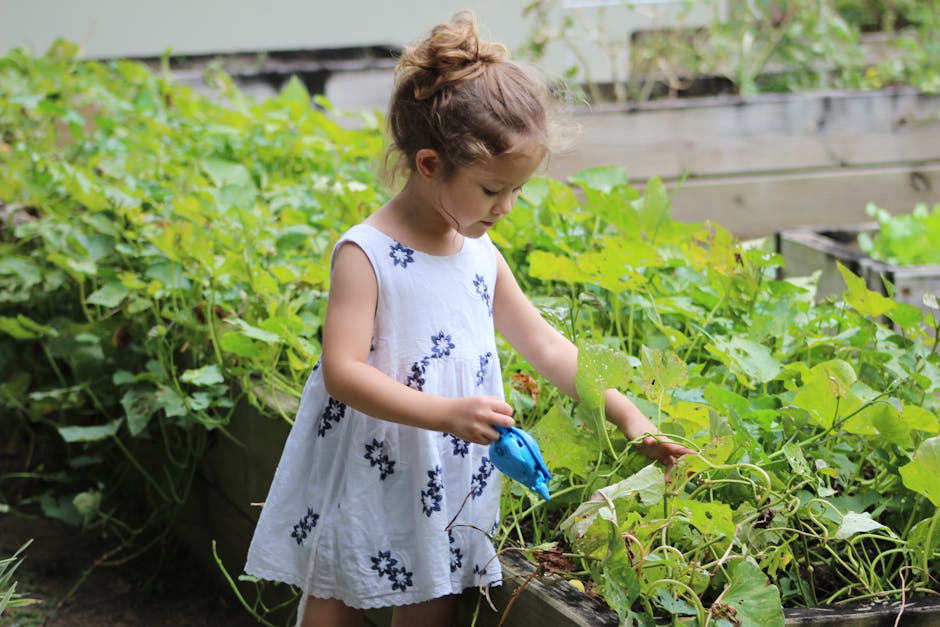
Children's Horticulture: Cognitive Development, Motor Skills, and Environmental Awareness
Foster child development through gardening: cultivation, safety, pollinator attraction, and water management for sustainable connection.

Adaptive Horticulture in the Paraná Delta: Water Management, Soils, and Species
Water management techniques, resilient species selection, and pest control for sustainable cultivation in the Paraná Delta's riverine ecosystem.