Bauhinia forficata: Taxonomy, Propagation, Bioactivity & Management
Explore the taxonomy, distribution, seed propagation, bioactivity, medicinal uses, and sustainable management of Bauhinia forficata.

Taxonomic Characterization and Geographic Distribution Patterns of Bauhinia forficata
The Bauhinia forficata, popularly known as the cow’s hoof, is a native tree species of notable botanical and medicinal interest. This tree, characterized by the unique bilobed shape of its leaves, resembling a bovine hoofprint, stands as an essential component of South American flora, adapting to diverse climatic and edaphic conditions in regions such as Argentina and Brazil. Its presence in local ecosystems not only enriches biodiversity but also offers a valuable resource for phytochemical research and the development of sustainable cultivation practices. The revaluation of native species like the cow’s hoof is fundamental in a global context that prioritizes ecological resilience and the search for natural solutions.
The Bauhinia forficata belongs to the Fabaceae family, subfamily Caesalpinioideae, a vast and diverse botanical group. Its natural distribution primarily encompasses southeastern Brazil, Paraguay, Uruguay, and northeastern Argentina, where it is found in forest formations and riverbanks. This deciduous tree can reach between 4 and 10 meters in height, exhibiting showy flowering with white or pink blossoms that attract pollinators. The morphology of its leaves, with two lobes separated almost to the base, is a distinctive feature that facilitates its identification. Understanding its ecological niche is crucial for implementing successful conservation and cultivation strategies, especially in the face of habitat fragmentation and anthropogenic pressure.
Vegetative Propagation Techniques and Seedling Establishment
The successful establishment of Bauhinia forficata involves the application of specific propagation techniques. Reproduction by seed is the most common method, although it requires pre-treatment to overcome dormancy. Mechanical scarification, which involves scratching the seed coat, or immersion in hot water, significantly improves germination rates. Seedlings require a protected environment during their early developmental stages. Transplanting to their final location should be done when the plants have reached an adequate size and the risk of frost has passed. Site selection is vital; this tree thrives in well-drained soils with full sun exposure, although it tolerates partial shade. Incorporating organic matter into the initial substrate favors rooting and growth vigor. Current trends in urban forestry and landscaping promote the use of native species for their adaptability and lower water requirements, positioning the cow’s hoof as a valuable option for restoring local flora and designing sustainable gardens.
The interest in Bauhinia forficata has historically focused on its medicinal properties, particularly in South American folk medicine. The leaves of this plant have traditionally been used as hypoglycemic, diuretic, and astringent agents. Recent phytochemical studies have identified various bioactive compounds, including flavonoids such as quercetin and kaempferol, as well as tannins and phenolic acids. These molecules are responsible for its antioxidant and anti-inflammatory activity, and specifically, for its effect on glucose metabolism. Ongoing research explores the precise mechanisms of action and the safety of its extracts, aiming to scientifically validate its ancestral uses. The integration of this knowledge with modern biotechnology allows for the development of standardized phytotherapeutic products, ensuring efficacy and quality. It is essential to remember that, while research is advancing, the use of medicinal plants should be supervised by healthcare professionals, avoiding self-medication.
Phytochemical Profile and Therapeutic Potential of Plant Extracts
Bauhinia forficata exhibits remarkable resistance to common pests and diseases, which simplifies its management in agroecological systems. Its dense foliage provides shelter and food for local fauna, contributing to the surrounding biodiversity. The implementation of organic cultivation practices, such as the use of compost and mulching, optimizes soil health and reduces the need for external inputs. Reforestation with native species like the cow’s hoof is an effective strategy for mitigating the effects of climate change, promoting carbon capture, and restoring degraded ecosystems. Permaculture and regenerative agriculture projects in the region are actively integrating this tree for its ecological and medicinal value. Selecting ecotypes adapted to local conditions and promoting native flora nurseries are crucial steps to ensure the long-term conservation of this valuable species and its sustainable use.
The Bauhinia forficata is much more than a tree with unique leaves; it is an emblem of South America’s botanical richness, a promising medicinal resource, and a key player in building more resilient and sustainable landscapes. Its cultivation and study directly contribute to biodiversity conservation and the advancement of knowledge in phytotherapy. Encouraging its presence in gardens, orchards, and reforestation projects is an investment in the health of the planet and its inhabitants.
Related Articles
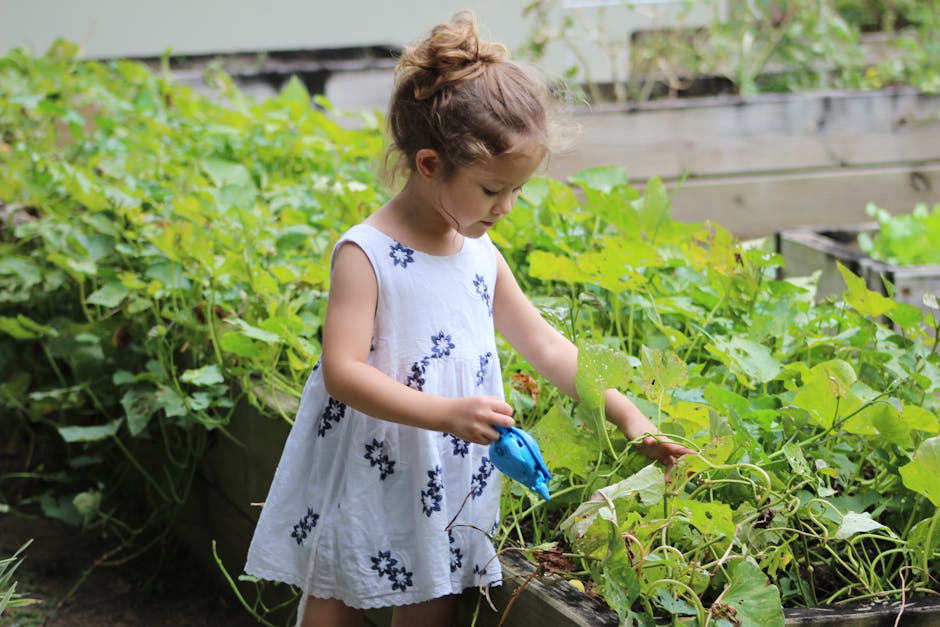
Children's Horticulture: Integrated Development and Environmental Sustainability Through Cultivation
Children's gardening fosters cognitive, emotional, and civic skills, building an early understanding of sustainability and biodiversity.

Pollinator Gardens: Ecological Principles and Practical Implementation
Master ecological principles and practical strategies for designing gardens that attract and support vital pollinator populations, enhancing biodiversity and garden productivity.

Native Plants: Ecological Benefits and Sustainable Maintenance for Green Spaces
Learn how integrating native plants enhances biodiversity, reduces water consumption, and simplifies garden care.

Permaculture for Home Gardens: Design, Soil, Water, and Pest Management
Optimize your garden with ecosystem design, regenerative soil management, water efficiency, and biological pest control. Foster sustainability.