Tropical Ecosystems in Temperate Climates: Design, Flora, Water
Recreating a temperate tropical oasis: botanical selection, landscape stratification, efficient irrigation, and fostering soil biodiversity.

Botanical Adaptability and Selection of Tropical Species
The evocation of a tropical oasis in the domestic landscape represents a growing aspiration for many gardening enthusiasts. This style, characterized by its exuberance, dense foliage, and rich palette of textures, transcends geographical boundaries, being implementable even in temperate climates through strategic planning and appropriate species selection. The key lies in understanding the fundamental principles governing these ecosystems and adapting them with an innovative and sustainable approach, also integrating the latest trends in landscape design and water management.
The choice of flora is the fundamental pillar in recreating a tropical environment outside its natural habitat. Prioritizing species with large, glossy leaves, as well as those with showy blooms, is essential. However, adaptability to the local microclimate is crucial. It is recommended to research plant varieties that emulate the tropical aesthetic but possess greater tolerance to the thermal fluctuations and water conditions of the Southern Cone. For example, some species of Philodendron, Monstera deliciosa, or Strelitzia reginae have adapted successfully to temperate conditions, especially in areas with mild winters or adequate protection. For the base foliage, ferns such as Nephrolepis exaltata or Cyathea cooperi (if space permits) provide the necessary density. The incorporation of non-invasive bamboos, like Bambusa multiplex ‘Alphonse Karr’, provides height and movement, distinctive elements of the tropical style. It is crucial to consult local botanical sources, such as the Buenos Aires Botanical Garden (jardinbotanico.buenosaires.gob.ar), to obtain lists of recommended species and their specific management in the region.
Structural Design and Efficient Irrigation Systems
An authentic tropical design is built on the layering of vegetation, from the arboreal stratum to ground cover plants. This stratification not only maximizes visual impact but also contributes to the creation of microclimates that benefit the plants, increasing ambient humidity and moderating extreme temperatures. Plant arrangement should simulate the natural density of a rainforest while allowing for healthy growth and access for maintenance. Regarding water management, the implementation of drip or seep irrigation systems is paramount for optimizing consumption. These systems minimize evaporation and direct water straight to the root zone, reducing waste. Rainwater harvesting through cisterns or surface tanks represents an additional sustainable strategy, crucial in the face of climate change challenges and water scarcity. Applying organic mulching with bark chips or decomposed leaves not only beautifies the soil but also conserves moisture, suppresses weeds, and enriches organic matter, mimicking the natural processes of a tropical ecosystem.
Beyond aesthetics, a sustainable tropical garden integrates ecological principles that promote biodiversity. The soil, as the ecosystem’s foundation, requires special attention. Regular incorporation of compost and organic fertilizers improves its structure, aeration, and capacity to retain nutrients and water. This practice fosters robust soil microbiology, essential for plant health and garden resilience. Selecting plants that attract pollinators and beneficial fauna, such as hummingbirds and pest-controlling insects, contributes to a natural balance, reducing the need for chemical interventions. Creating small water features, like ponds with water lilies or low-flow fountains, not only enhances the tropical atmosphere with relaxing sounds but also attracts amphibians and beneficial insects, enriching the garden’s web of life. Considering the use of native regional species that exhibit morphological characteristics similar to tropical ones can enhance the design’s adaptation and resilience, favoring the conservation of local flora and associated fauna. For information on composting techniques and soil management, the National Institute of Agricultural Technology (inta.gob.ar) offers valuable resources for the region.
Soil Microbiology and Ecosystem Biodiversity
Current trends in tropical garden design lean towards integrating technology and sustainability. Home automation applied to irrigation, with moisture sensors and adaptive programs, allows for precise and efficient water management, adjusting to the real needs of each plant and real-time climatic conditions. The selection of new botanical varieties, developed to be more resistant to pests and diseases or with lower water requirements, facilitates maintenance and reduces environmental impact. Likewise, permaculture offers a conceptual framework for designing tropical gardens that are not only aesthetic but also productive and regenerative, optimizing resource use and minimizing waste. The incorporation of recycled or low-environmental-impact materials in landscaping elements, such as paths or furniture, reinforces the commitment to sustainability. These modern approaches demonstrate that it is possible to create a lush tropical sanctuary that is simultaneously environmentally friendly and adapted to local conditions, offering an immersive and conscious experience for its inhabitants.
Related Articles

Optimizing Squash Cultivation: Genetics, Soil, Irrigation, and Post-Harvest Strategies
Covers variety selection, soil preparation, water management, nutrition, biocontrol, and curing to maximize squash yield and shelf life.

Zonda Wind's Impact on Cuyo Flora: Physiology, Mitigation, Tech
Discusses Zonda wind effects in Cuyo, plant physiology, resilient garden design, technological innovations, and post-event management.
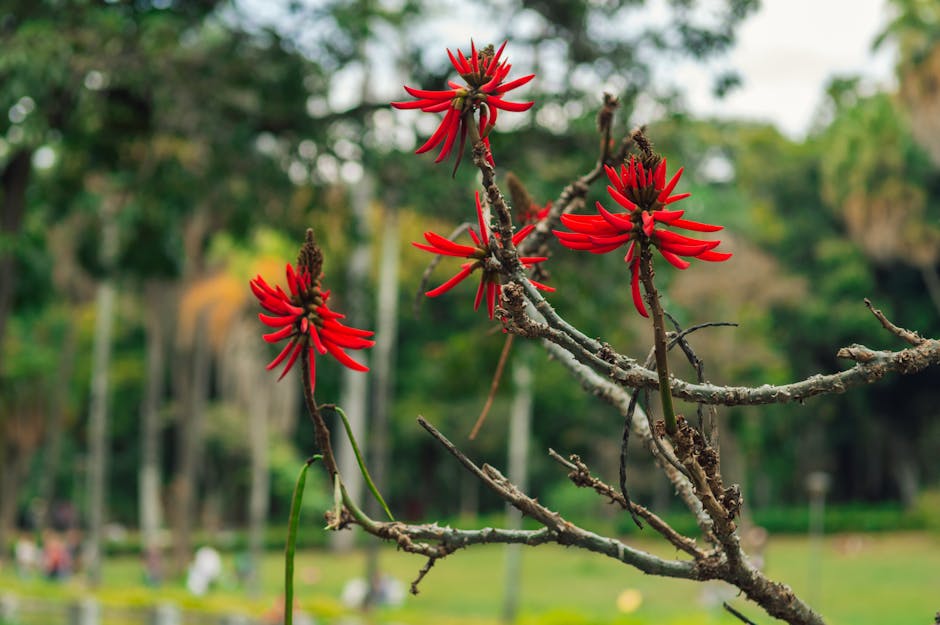
Erythrina crista-galli: Care, Propagation & Sustainable Management
Detailed analysis of climatic conditions, substrate, propagation methods, transplanting, and sustainable agronomic management of the Cockspur Coral Tree.

Schinus molle: Urban Reforestation & Sustainable Gardening
Germination, establishment, efficient irrigation, and pruning techniques for the Peruvian Pepper (*Schinus molle*) for climate resilience projects.