White Dew: Frost Bioindicator for Prediction & Agricultural Mitigation
Observing white dew (frost) to predict frosts, complementing forecasts with passive and active crop protection techniques.
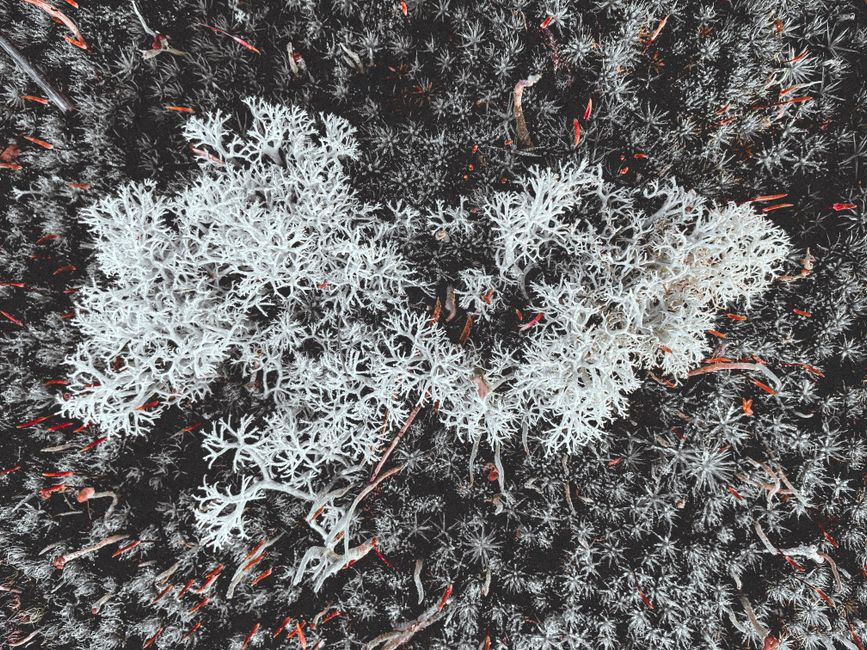
Sublimation Phenomena and Ice Crystal Formation
Observing natural phenomena offers valuable indicators for crop protection. The presence of white dew, a crystalline layer forming on exposed surfaces overnight, is a frequent harbinger of impending frosts – a climatic event with significant damage potential for agriculture and gardening.
White dew, scientifically known as frost, occurs when air temperature drops below freezing (0°C) and water vapor in the atmosphere directly sublimates onto cold surfaces. This process requires a specific combination of meteorological factors: clear skies, lack of wind, and high relative humidity. Clear skies allow terrestrial heat to radiate rapidly into space, cooling the surface. Air calmness prevents the mixing of air layers, allowing cooler air to remain near the ground. High humidity ensures sufficient water vapor is available for sublimation.
The presence of frost indicates that the surface temperature has fallen below the freezing point. This phenomenon is distinct from liquid dew, which forms when water vapor condenses into droplets at temperatures above 0°C. Precise identification between dew and frost is crucial for predicting frost risk, as frost is an unequivocal sign of sub-zero temperatures at ground level. Radiation frosts, the most common in regions like Argentina’s Humid Pampa, often manifest with frost formation.
Visual Frost Indicators for Frost Prediction
Morning observation of white dew on leaves, grass, or structures like roofs and vehicles provides a clear signal that nighttime temperatures have been or will be low enough to cause frost damage. This visual indicator is especially useful in rural or peri-urban areas where microclimates can vary significantly. An analysis of the surroundings at dawn, looking for the presence of these ice crystals, allows producers to anticipate and take preventive measures. The persistence of white dew beyond the early morning hours, before the sun dissipates it, can suggest a particularly cold night and a high risk for sensitive crops.
Various agronomic studies, such as those conducted by INTA in Argentina, emphasize the importance of these local bioindicators. The accumulated experience of generations of producers in the region has validated the observation of white dew as an empirical prediction tool, complementing formal meteorological forecasts. This practice integrates into more resilient agricultural management adapted to the climatic particularities of each area.
Upon visual confirmation of white dew, implementing protection measures to safeguard crops is essential. Strategies are divided into active and passive. Passive measures include selecting cold-hardy varieties, strategic placement of crops in areas less prone to cold pockets, and preparing the soil with organic mulching. Mulching helps retain soil heat and gradually release moisture overnight, moderating thermal fluctuations. In permaculture, designing windbreak hedges or creating favorable microclimates are common practices.
Mechanisms of Active and Passive Thermal Protection
Active measures are applied when frost is imminent. Sprinkler irrigation is an effective technique: the released water freezes on the plants, releasing latent heat of fusion that keeps plant tissue temperatures around 0°C, protecting them from damage. Another option is covering delicate plants with frost cloths, geotextile fabrics, or even plastics, creating a thermal barrier that prevents heat loss by radiation. In larger operations, the use of heaters or fans may be considered, although their application is more common in orchards or vineyards. Prevention is key, and observing white dew is a fundamental component of a comprehensive frost management plan.
The integration of traditional white dew observation with modern climate monitoring technologies enhances prediction and response capabilities. Automated weather stations, temperature and humidity sensors, and local forecast mobile applications offer real-time data that complements visual information. These systems enable more precise decision-making about when and how to apply protection measures. For example, platforms like INTA’s Agrometeorology (https://inta.gob.ar/agrometeorologia) provide specific data and alerts for different agricultural regions.
Current research focuses on developing crop varieties more tolerant to low temperatures and precision agriculture techniques that optimize resource use. Regenerative agriculture and biodiversity in the orchard also contribute to the resilience of agricultural ecosystems against extreme events like frosts. Understanding and responding to signals like white dew, combined with scientific knowledge and technology, strengthens the sustainability of horticultural and fruit production in temperate climates.
Integration of Bioindicators and Climate Monitoring Technologies
In summary, the appearance of white dew is a reliable natural indicator for detecting imminent frosts. Its recognition allows gardeners and producers to implement timely mitigation strategies, reducing negative impacts on crops. The combination of ancestral wisdom with current technological tools offers a robust approach to crop protection and climate risk management, ensuring the continuity and productivity of the garden or orchard.
Related Articles

Homegrown Carrots: Preparation, Care, and Harvest for a Successful Garden
Learn essential techniques for growing quality carrots in your garden: from soil preparation to harvest and storage.

Home Table Grape Cultivation: Selection, Pruning, and Harvesting for the Amateur Gardener
A practical guide to growing fresh grapes at home, from variety selection to harvesting, with tips for a home garden setting.

Low-Maintenance Gardening: Design, Species, Resources for Green Spaces
Optimizing gardens through resilient species selection, mulching, efficient irrigation, and zoned design to minimize time investment.

Sustainable Gardening: Design and Techniques for Low-Maintenance, High-Resilience Spaces
Integrate xeriscaping, smart irrigation, and biological control for an aesthetically pleasing, ecologically robust garden with minimal intervention.