Firefly Life Cycle and Habitat: Conservation Strategies for Gardens
Details the firefly life cycle and sustainable gardening strategies to create refuges, addressing light pollution, humidity, and vegetation.
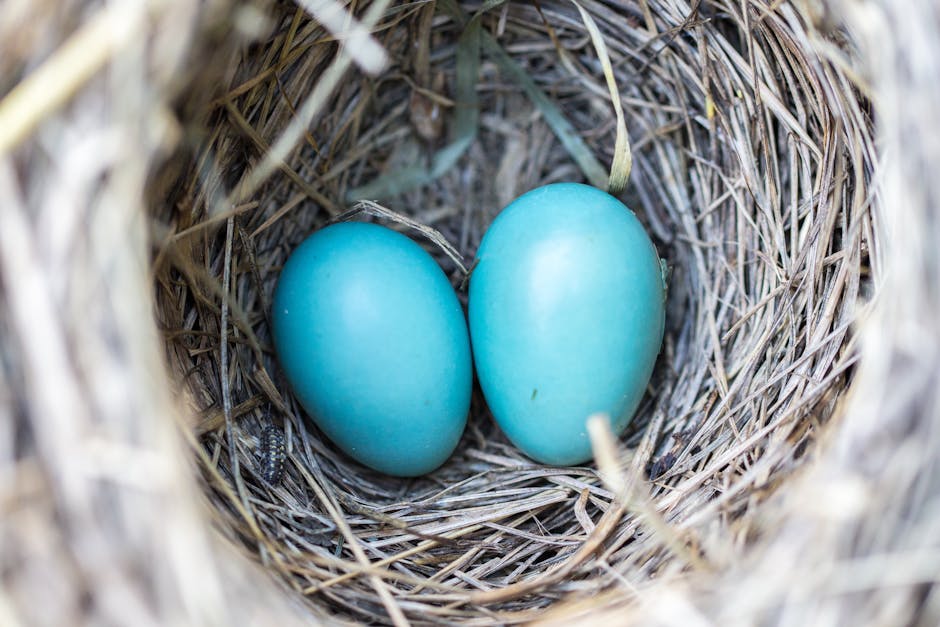
The Life Cycle of Lampyridae: Stages and Metamorphosis
The presence of fireflies, those fascinating bioluminescent beetles, transforms any garden into a magical nocturnal spectacle. Beyond their ephemeral beauty, fireflies are crucial indicators of an ecosystem’s environmental health. Their decline in various regions worldwide signals an urgent need to create and preserve habitats that support their development. This article explores the life cycle of these insects and provides effective strategies for turning your green space into a refuge for them, thereby fostering local biodiversity.
The life cycle of fireflies, members of the family Lampyridae, comprises complete metamorphosis, passing through four distinct stages: egg, larva, pupa, and adult. Each stage is essential and possesses unique characteristics that directly influence the population and distribution of these species.
Females lay their small eggs, often white or yellowish, in moist soil or leaf litter, typically in spring or summer. After a few weeks, the larvae hatch. Larvae represent the longest phase of the cycle and are often the most voracious. These larvae, with segmented bodies and sometimes bioluminescent capabilities, are efficient predators of snails, slugs, and other small invertebrates, playing a fundamental role in biological pest control within the garden. Their activity is vital for maintaining ecological balance, consuming organisms that could harm plants.
After several molts, the larva transforms into a pupa, an immobile transitional stage where tissue reorganization occurs for the adult phase. This process can last from a few weeks to several months, depending on the species and environmental conditions. Finally, the adult emerges – the winged form we know for its ability to emit light. The adult lifespan is brief, focused primarily on reproduction. Bioluminescence in this stage serves as a communication system between males and females for mating.
Recent studies, such as those published by the Argentine Museum of Natural Sciences ‘Bernardino Rivadavia’ in collaboration with CONICET, highlight how habitat fragmentation and light pollution negatively impact the ability of fireflies to complete their cycle, particularly affecting larval survival and adult communication. For more information on these investigations, you can consult the CONICET article: Fireflies, the Stars of the Night.
The presence of fireflies in a garden directly depends on the availability of a habitat that meets their specific needs at each stage of their life. Understanding these requirements is fundamental to designing a welcoming space.
Habitat Requirements for Firefly Populations
Reducing Light Pollution
Excessive artificial light is one of the biggest disruptors for adult fireflies. It interferes with their mating signals, drastically reducing their chances of reproduction. Implementing low-intensity lighting, using lights with warm color spectrums (amber or red), and turning off unnecessary outdoor lights at night are essential practices. This allows fireflies to communicate without interruption, which is vital for their reproductive cycle.
Managing Soil Moisture
Firefly larvae and eggs require consistently moist, but not waterlogged, soil. Areas with leaf litter, moss, decaying logs, or dense vegetation provide the necessary moisture and shelter. Applying organic mulch with dry leaves, bark, or compost helps retain soil moisture, in addition to offering microhabitats for their prey and for the larvae themselves. Efficient irrigation systems, such as drip irrigation, can maintain moisture without oversaturating the environment.
Vegetation Structure and Shelter
A diverse garden with different vegetation layers is ideal. Tall grasses, dense shrubs, and trees provide protection from predators and offer mating sites for adults. Larvae benefit from low vegetation and leaf litter where they hunt. Integrating native plants not only supports local fauna but also creates a more resilient and less resource-demanding ecosystem. The presence of nearby ponds or water sources also contributes to ambient humidity.
Designing Gardens for Bioluminescent Beetle Conservation
Food Availability
While adults of many firefly species do not feed or consume nectar, larvae are carnivorous. Their primary diet includes snails, slugs, worms, and other small invertebrates. A garden that avoids the use of pesticides and herbicides creates a safe environment rich in prey, ensuring a constant food source for larvae. Encouraging overall garden biodiversity attracts a wider variety of invertebrates, which in turn benefits fireflies.
Transforming a garden into a firefly sanctuary involves applying principles of permaculture and ecological gardening, focusing on creating a balanced and self-sufficient ecosystem.
Selecting Native Plant Species
Integrating native plants of the region is a key strategy. These plants are adapted to the local climate and soil, require less maintenance and water, and also support native fauna, including firefly prey. For Argentina, considering species like blue sage (Salvia guaranitica), garden butterfly (Gaura lindheimeri), or cortaderia grass (Cortaderia selloana) can offer shelter and indirect food. A valuable resource is the National Agricultural Technology Institute (INTA) website for identifying native flora suitable for each ecoregion: Guide to Native Plants for the Garden and Orchard.
Creating Humid and Shaded Areas
Impact of Light Pollution and Habitat Fragmentation
Designating specific areas of the garden to maintain humidity is crucial. This can include small ponds, areas with constant dew, or simply shady corners with dense vegetation cover and abundant leaf litter. Fallen logs and large rocks can also serve as refuge and moisture points for larvae during the day. Recreating a small miniature “forest” or “wetland” within the garden will mimic the natural conditions that fireflies seek.
Implementing Biological Pest Control
The use of pesticides, even broad-spectrum organic ones, can be harmful to firefly larvae and their prey. Adopting an integrated pest management approach, prioritizing biological and cultural methods, is essential. This includes introducing beneficial insects, crop rotation, planting repellent plants, and manual pest removal. Soil health, nourished with compost and organic fertilizers, also strengthens plants’ natural resistance to diseases and pests.
Habitat Monitoring and Adaptation
Gardening for fireflies is a dynamic process. Observing garden activity and making adjustments to lighting, humidity, and vegetation allows for habitat optimization. Installing soil moisture sensors can help efficiently maintain ideal conditions. Innovations in smart irrigation systems that adapt to local weather conditions, such as those using meteorological data to adjust watering frequency and amount, represent a significant advancement in moisture conservation, benefiting firefly larvae and the entire garden ecosystem.
Fostering the presence of fireflies in the garden is an action that transcends mere aesthetics; it is a commitment to biodiversity and the health of our ecosystems. By understanding their fascinating life cycle and applying sustainable gardening techniques, such as reducing light pollution, managing humidity, and promoting native flora, every gardener can significantly contribute to the conservation of these species. Creating a refuge for fireflies not only beautifies summer nights but also enriches the natural balance, offering a living testament to a thriving, life-filled garden.
Related Articles

Soil Arthropods: Indicators of Health and Sustainable Garden Design
Integrating centipedes and millipedes into gardens through botanical selection and environmental management to foster biodiversity and natural pest control.

The Family Garden: A Living Lab for Environmental Education and Sustainability
Explore the family garden as a pedagogical tool: sustainable cultivation, planning, and socio-environmental connection for practical learning.

Gleditsia amorphoides: Ecology, Propagation & Management
Establishment, propagation by scarified seed, and management of Gleditsia amorphoides for reforestation, landscaping, and local biodiversity.

Optimizing Gardens with Seasonal Climate Analysis and Practice Adaptation
Leveraging seasonal forecasts for strategic adjustments in planting, variety selection, and crop protection ensures robust garden resilience and yield.