Lettuce Thrips Management: Integrated, Biological & Sustainable
Preventive strategies, monitoring, and integrated management of Frankliniella occidentalis in lettuce, prioritizing sustainable and biological methods.
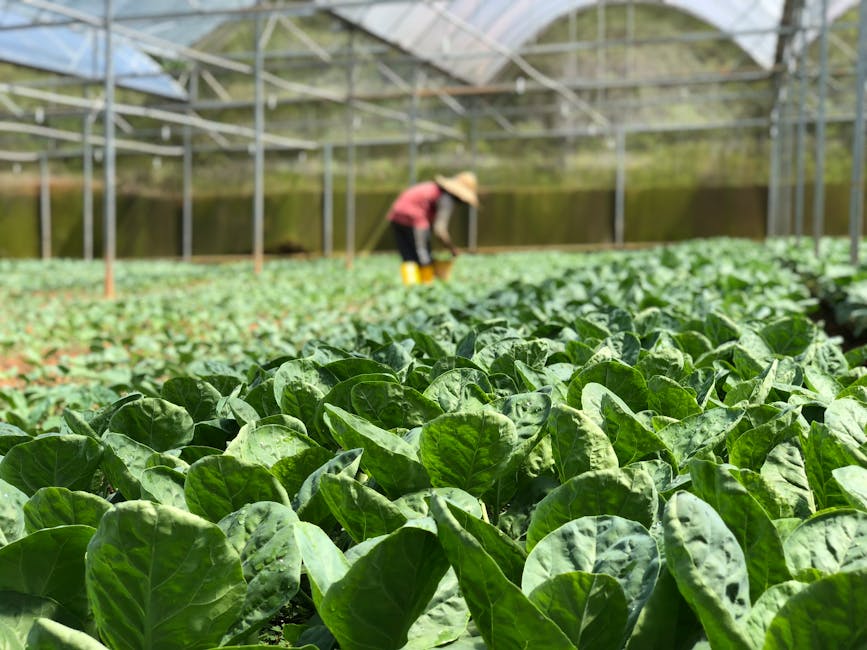
Identification and Biological Cycle of Frankliniella occidentalis
Lettuce production, a fundamental crop in global and local diets, constantly faces phytosanitary challenges. Among these, thrips (especially Frankliniella occidentalis) represent a significant threat, capable of drastically reducing crop yield and quality. These tiny insects not only cause direct damage by feeding but also act as vectors for plant viruses, compromising production viability. Addressing their management requires a comprehensive strategy that combines prevention, monitoring, and control, adapting to the principles of sustainable agriculture and current innovations.
Accurate identification of thrips is the first step toward effective management. Frankliniella occidentalis, commonly known as the Western flower thrips, is one of the most prevalent and damaging species in lettuce crops. Adults are small insects, approximately 1-2 mm in length, with slender bodies and fringed wings. Their coloration varies from pale yellow to dark brown. Nymphs are even smaller and light-colored, often residing in protected parts of the plant, such as the underside of leaves or between tender shoots.
Cultural and Preventive Practices for Thrips Reduction
The life cycle of thrips is relatively short, allowing for multiple generations in a single growing season, exacerbating their potential for damage. Females deposit eggs within plant tissue. Nymphs emerge, go through several developmental stages feeding on plants, and then pupate in the soil or foliage before emerging as adults. Warm, dry conditions favor their reproduction and dispersal, making them a constant concern in regions like the Humid Pampa, where horticulture is intensive. Damage manifests as silvery scarring on leaves, deformities in tender shoots, and, in severe infestations, a significant reduction in crop growth and marketability.
Prevention is the cornerstone of successful thrips management, minimizing the need for curative interventions. Implementing appropriate cultural practices reduces pest pressure from the start of the growing cycle:
Implementation of Biological Control and Biostimulants
- Crop Rotation: Alternating lettuce with non-host crops disrupts the thrips life cycle and reduces soil populations. This practice aligns with permaculture principles, fostering soil health and biodiversity.
- Weed Management: Surrounding weeds can serve as a refuge and food source for thrips. Rigorous control of spontaneous vegetation in the crop environment lowers pest pressure.
- Insect Screens: In protected production systems, such as greenhouses, installing fine mesh screens on openings prevents adult thrips from entering. Recent advancements in materials offer screens with greater durability and less impact on ventilation.
- Constant Monitoring: The use of adhesive chromatic traps (usually blue or yellow) allows for early detection of thrips presence and quantification of their population, informing the need for control actions. Humidity and temperature sensors, combined with predictive models, are emerging as tools to anticipate population peaks in precision agriculture systems.
- Resistant Varieties: Research in genetic improvement aims to develop lettuce varieties with greater tolerance or resistance to thrips. Consulting with seed suppliers about new varieties adapted to local conditions and possessing resistance characteristics can be an effective strategy.
When preventive measures are insufficient, it is necessary to resort to control methods that integrate into a sustainable management program, prioritizing low environmental impact options:
Perspectives on Sustainable Agriculture and Crop Resilience
- Biological Control: Introducing or encouraging natural enemies is a key strategy. Predators such as predatory mites (Amblyseius swirskii, Neoseiulus cucumeris) and minute pirate bugs (Orius spp.) are highly effective against thrips. In Argentina, the use of these biological agents is expanding, offering a robust alternative to chemical insecticides. Entomopathogenic fungi like Beauveria bassiana and Metarhizium anisopliae also show efficacy, especially in high-humidity environments.
- Biopesticides: Formulations based on plant extracts (e.g., neem oil) or microorganisms (e.g., spinosad, a product derived from a bacterium) offer control with a favorable safety profile for the environment and operators. Application must be precise, ensuring coverage of areas where thrips shelter.
- Additional Cultural Control: Maintaining good plant hydration and balanced nutrition helps plants be more resilient to pest attack. Mulching with organic materials not only conserves soil moisture but can also discourage thrips pupation in the soil.
- Selective Chemical Control: In situations of high infestation and as a last resort, low-persistence and low-toxicity chemical insecticides can be considered, always under the supervision of a technician and respecting pre-harvest intervals. Rotation of active ingredients is crucial to prevent the development of resistance in thrips populations.
Thrips management in lettuce is moving towards increasingly intelligent and sustainable systems. Research focuses on developing new varieties with improved genetic resistance, studying plant-pest interactions at the molecular level, and optimizing the release of biological control agents. Urban agriculture, in particular, benefits from these innovations, with vertical farming systems and hydroponic gardens integrating advanced monitoring and environmental control to minimize pest pressure. The adoption of regenerative agriculture and permaculture, which promote soil health and biodiversity, are fundamental to building resilient agroecosystems capable of managing pests naturally. Integrating these practices and technologies is essential to ensure the production of high-quality lettuce, respecting the environment and consumer demands.
Related Articles

Hydroponics: Fundamentals, Systems, and Nutrient Control for Urban Cultivation
Analysis of hydroponic systems, nutrient solution formulation, inert substrates, and pH/EC control for domestic and urban horticulture.

Harvest Health: Unlock the Secrets of Your Thriving Home Organic Garden
Learn how to cultivate a flourishing organic garden at home, embracing sustainable practices for fresh, healthy produce and a greener lifestyle.
Ipomoea batatas: Edaphoclimatic Requirements and Cultivation Techniques for Sustainable Production
Understand the key factors for successful sweet potato cultivation: climate, soil, propagation, nutrition, and phytosanitary management.

Medicinal Herb Cultivation: Botanical Characteristics and Home Garden Applications
Understand the botanical characteristics and practical cultivation methods for popular medicinal herbs, transforming your home garden into a functional apothecary.