Padrón Pepper Adaptation & Agronomy in New Climates
Explore climatic, soil requirements, and cultivation techniques for Padrón peppers, optimizing production and quality with sustainable methods.
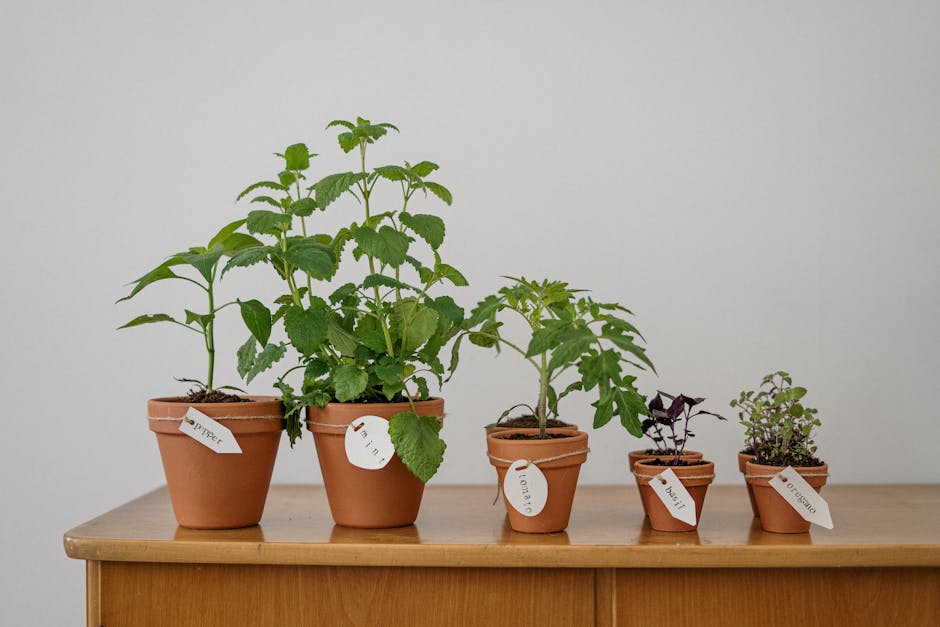
Essential Climatic and Soil Requirements for Capsicum annuum
Padrón peppers, known for their famous uncertainty regarding spiciness, represent an emblematic Spanish gastronomic crop that sparks global interest. This variety of Capsicum annuum, originating from the town of Padrón in Galicia, has expanded due to its unique flavor and culinary versatility. Adapting its cultivation outside its native region, such as in the diverse climatic conditions of Argentina and other Latin American regions, requires understanding its specific needs and applying appropriate agronomic techniques. We explore the fundamental practices for achieving successful production of these prized peppers, considering both traditional methods and recent horticultural innovations.
The optimal development of Padrón peppers demands specific environmental conditions. This thermophilic plant thrives with daytime temperatures between 20°C and 28°C, and nighttime temperatures no lower than 15°C. Frost is a critical limiting factor, so planting in at-risk areas should occur after the last frost, or by using protection in greenhouses or micro-tunnels, a practice increasingly relevant in variable climates like those of central Argentina. Direct and abundant sunlight exposure is fundamental; at least 6-8 hours of daylight per day are required for adequate fruiting.
Regarding soil, Padrón peppers prefer loamy or sandy-loam substrates, rich in organic matter, with good drainage and a balanced moisture retention capacity. A pH between 6.0 and 7.0 is ideal for nutrient availability. Incorporating mature compost or worm castings before planting significantly improves soil structure and fertility. Recent studies in regenerative agriculture emphasize the importance of soil microbiome health for crop resilience against water stress and pathogens, a key consideration for sustainable gardens.
Propagation Techniques and Establishment of Pepper Cultivation
The propagation of Padrón peppers commonly begins with seed sowing. For efficient germination, it is recommended to sow in seedling trays or small pots, at a depth of approximately 0.5 cm, using a light, sterile substrate. Maintaining a constant temperature of 22°C to 25°C and adequate humidity is crucial; heated seedbeds or mini-greenhouses can accelerate the process, which typically lasts between 7 and 14 days. You can find more details about the Padrón variety on the official website of the Spanish Ministry of Agriculture: Pimiento de Padrón.
Once seedlings develop 2-4 true leaves, they are ready for transplanting to the final growing area. This process should be done carefully to avoid root stress. The recommended planting density is approximately 30-40 cm between plants and 60-80 cm between rows, allowing for good aeration and light access. Innovations in the use of biodegradable germination trays facilitate transplanting and minimize environmental impact. Selecting varieties adapted to local conditions, including those with greater resistance to common diseases, is a growing trend in modern horticulture.
The management of Padrón pepper cultivation requires constant attention to ensure abundant and high-quality production. Irrigation is a determining factor; the plant needs consistent moisture but without waterlogging. Implementing drip irrigation systems optimizes water use, reducing consumption by up to 50% compared to traditional methods and minimizing the proliferation of foliar fungal diseases. This technology is especially valuable in regions with water restrictions.
Agronomic Management and Plant Nutrition for Padrón Fruits
In terms of nutrition, a balanced fertilization program is essential. Peppers are demanding in potassium and phosphorus, especially during flowering and fruiting. Applying organic fertilizers such as compost tea, seaweed extracts, or bat guano, complemented by a calcium amendment to prevent blossom-end rot, contributes to plant health and fruit quality. Pruning the first lateral shoots can encourage more robust development of the main plant and higher fruit production. Staking, using stakes or nets, is fundamental to support the weight of the fruits and prevent branches from breaking, a common practice that improves aeration and reduces pest incidence.
The protection of the crop against pests and diseases is a fundamental pillar in the production of Padrón peppers. Implementing Integrated Pest Management (IPM) focuses on biological and cultural solutions before resorting to chemical treatments. This includes crop rotation to disrupt pathogen cycles, companion planting with herbs that repel harmful insects (such as basil or marigolds), and the use of chromatic traps to monitor populations of aphids or whiteflies. Early identification of problems, such as powdery mildew or red spider mites, allows for the application of organic solutions like neem extracts or potassium soap. For more information on organic agriculture and pest management, you can visit the INIA Chile website: Organic Agriculture INIA.
The harvest of Padrón peppers is carried out when the fruits reach a size of 3-5 cm in length and have a bright green color. At this stage, the proportion of spicy peppers is lower, although variability is inherent to the variety’s genetics and environmental factors such as water stress or high temperatures, which can increase capsaicin levels. Regular harvesting is recommended to stimulate greater production. For storage, fresh peppers are best kept in the refrigerator for up to a week.
Phytosanitary Control and Harvest in Pepper Cultivation
Cultivating Padrón peppers offers a rewarding experience for horticulturists, from home gardens in Buenos Aires to larger farms. The key to success lies in a deep understanding of their climatic and soil requirements, the application of precise agronomic techniques, and the adoption of sustainable practices. By integrating innovations in irrigation, nutrition, and phytosanitary management, it is possible to enjoy an abundant harvest of these unique peppers, contributing to the biodiversity of our gardens and local gastronomy. Attention to detail and a commitment to environmentally friendly methods ensure not only quality fruits but also a resilient and productive cultivation system.
Related Articles
Home Carrot Cultivation: Substrate, Sowing, Water Management, and Plant Health
Details substrate preparation, direct sowing, water-nutritional management, pest control, and harvesting for carrots in urban gardens.

Cucurbita spp.: Agronomic Requirements for Optimizing Yield and Quality
Technical analysis of squash (*Cucurbita spp.*) cultivation, covering varietal selection, soil, irrigation, nutrition, and pest management.

Growing Peppers and Chili Peppers: Soil, Light, and Watering for Successful Harvests
A comprehensive guide to growing peppers and chili peppers at home, covering soil, light, watering, and nutrition for abundant yields.
Fungal Pathogens in Plants: Identification and Management Strategies
Master effective strategies for identifying and managing common fungal pathogens to maintain robust plant health in your garden and horticulture endeavors.