Integrated Bacterial Disease Management in Tomato Crops
Preventive, cultural, biological, and technological strategies for controlling *Xanthomonas*, *Pseudomonas*, and *Clavibacter* in tomatoes.
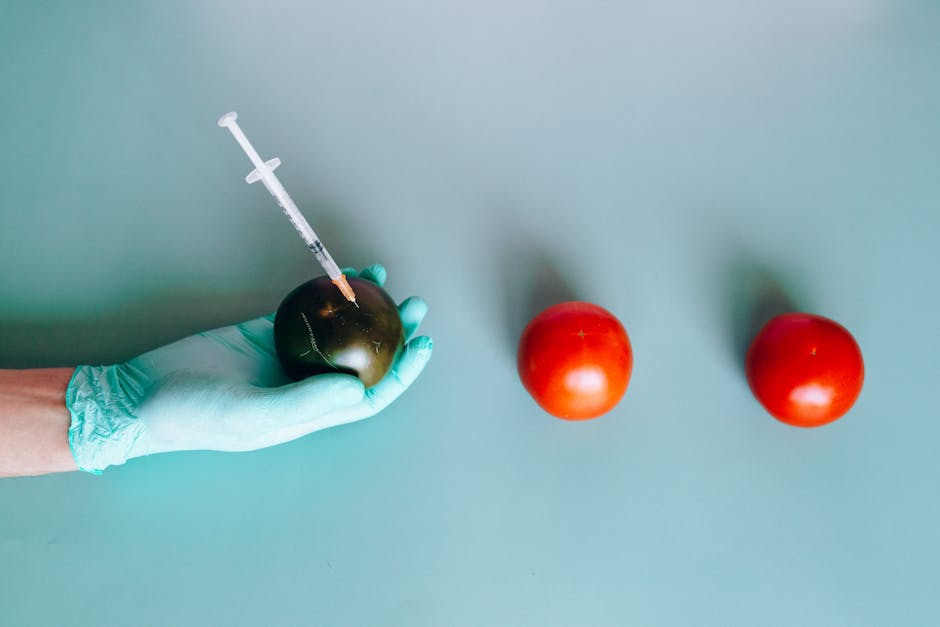
Identifying Bacterial Pathogens and Symptoms in Solanum lycopersicum
The tomato crop (Solanum lycopersicum) is a cornerstone of horticultural production in Argentina and Latin America, serving both household consumption and commercial markets. However, the health of these crops is continuously threatened by various pathologies, with bacterial diseases being among the most devastating. These diseases, caused primarily by genera such as Xanthomonas and Pseudomonas, can significantly reduce yield and harvest quality if not managed effectively. Implementing integrated strategies, encompassing prevention through intervention, is crucial for safeguarding productivity and ensuring the sustainability of tomato production.
Early detection of bacterial diseases is vital for successful control. Symptoms vary depending on the pathogen and the plant’s developmental stage. Commonly observed symptoms include small, angular, water-soaked leaf spots that eventually turn necrotic with a yellowish halo. On stems, dark streaks or cankers may appear, while on immature fruits, raised circular lesions with a dark, watery center manifest. The main etiological agents include:
- Xanthomonas euvesicatoria (formerly Xanthomonas campestris pv. vesicatoria): Causes “bacterial spot,” characterized by dark leaf lesions and fruit scab.
- Pseudomonas syringae pv. tomato: The causal agent of “bacterial speck,” with smaller, dark leaf spots and superficial fruit lesions.
- Clavibacter michiganensis subsp. michiganensis: Responsible for “bacterial canker,” a systemic disease causing wilting, stem streaking, and internal fruit lesions. Transmission of these bacteria occurs primarily through contaminated seeds, splashes from rain or irrigation water, and disinfected pruning or cultivation tools. Understanding the life cycle of these pathogens is fundamental to interrupting their spread.
Agronomic Preventive Practices to Minimize Infections
Prevention constitutes the first line of defense against bacterial diseases. Adopting appropriate cultural practices significantly reduces the risk of infection and propagation:
- Seed and Seedling Selection: Using certified pathogen-free seeds and healthy seedlings is paramount. Some institutions, like INTA in Argentina, research and offer varieties with greater resistance or tolerance to these diseases.
- Crop Rotation: Avoid monoculture of solanaceous crops in the same plot for at least 2-3 years. Rotating with cereals or legumes disrupts the life cycle of soil-borne pathogens.
- Irrigation Management: Prioritize drip irrigation or sub-irrigation to minimize leaf wetness, which favors bacterial dispersal. If overhead sprinkler irrigation is unavoidable, perform it early in the morning to allow for rapid drying of foliage.
- Field Sanitation: Remove and destroy infected crop debris at the end of the season. Disinfect pruning and cultivation tools with 1-2% sodium hypochlorite solutions or alcohol.
- Weed Control: Weeds can act as reservoirs for pathogens, making their control essential.
- Planting Density: Maintain adequate spacing between plants to ensure good air circulation, reducing leaf moisture and bacterial proliferation.
When preventive measures are insufficient, active management strategies are required, often integrating biological and technological approaches.
- Resistant Varieties: Research in genetic improvement has led to the development of tomato varieties with partial or total resistance to certain strains of Xanthomonas and Pseudomonas. Consult with nurseries and extension agents about the most suitable varieties for each region with a history of resistance.
- Biological Control: The use of biological control agents, such as beneficial bacteria (Bacillus subtilis) or plant extracts with antimicrobial properties, is gaining traction. These products can be applied preventively to strengthen plant defenses or reduce pathogen load.
- Copper-Based Products: Copper-based fungicides and bactericides are a traditional tool in managing bacterial diseases. Their application must be careful and follow technical guidelines to avoid phytotoxicity and soil accumulation. It is crucial to alternate with other products to prevent resistance development.
- Monitoring Technologies: Precision agriculture incorporates sensors that monitor soil and air humidity, as well as temperature, allowing for optimized irrigation and anticipation of conditions favorable for disease development. Some advanced systems utilize artificial intelligence for early symptom detection through imagery.
Biological and Chemical Control Methods for Bacterial Diseases
Constant crop surveillance is a critical component of integrated management. Regular inspections allow for the identification of early disease signs and prompt action before the infection spreads.
- Detailed Inspection: Conduct periodic walks through the crop, paying close attention to leaves, stems, and fruits for any anomalies.
- Record Keeping: Maintain a log of observations, including the date of symptom appearance, location, and weather conditions. This information is valuable for evaluating the effectiveness of implemented strategies and adjusting future actions.
- Climate Change Adaptation: Global climate change introduces new challenges, with more erratic rainfall patterns and extreme temperatures that can favor the emergence and virulence of new pathogen strains. Selecting varieties adapted to these conditions and implementing resilient cultivation systems (such as permaculture, which promotes biodiversity and soil health) are essential steps towards more robust and sustainable horticulture. Current research focuses on developing tomato varieties that are not only resistant to pathogens but also tolerant to water or thermal stress.
In summary, effective management of tomato bacterial diseases demands a holistic and proactive approach. From selecting healthy seeds and implementing crop rotations to constant monitoring and incorporating technological innovations, every action contributes to crop resilience. Investing in preventive practices and adopting resistant varieties, alongside the strategic use of biological control methods and adaptation to new climatic realities, are pillars for ensuring abundant, high-quality harvests, strengthening the sustainability of horticultural production in our region.
Related Articles

Urban Vertical Horticulture: Design, Species, and Sustainable Management
Optimizing urban spaces with vertical gardens, covering design, species selection, substrates, and water management.

Photoperiod and Bulb Morphogenesis: Light Regulation in Allium Crops
Explore how day length, detected by phytochromes, induces bulbing in onions and garlic, essential for horticultural optimization.

Cultivation and Management of Aromatic Herbs: Propagation, Requirements, and Conservation
Technical guide to growing aromatic herbs at home: selection, propagation, agronomic management, and conservation to maximize freshness and flavor.

Unlock Endless Green: Master the Art of Plant Propagation Through Cuttings
Transform your garden with plant cuttings! Discover expert techniques for successful propagation, from selection to rooting, and multiply your favorite plants.