Timbó (*Enterolobium contortisiliquum*): Propagation, Needs, Uses
Establishing *Enterolobium contortisiliquum*: seed treatments, edaphoclimatic conditions, phytosanitary management, and ecological benefits.

Pre-Germination Treatments and Substrates for Enterolobium contortisiliquum
The timbó, scientifically known as Enterolobium contortisiliquum, is a native tree species of significant ecological and landscape value in various regions of South America, including Argentina and Uruguay. Its presence is fundamental in riparian and subtropical ecosystems, providing not only shade and beauty but also playing a crucial role in fixing atmospheric nitrogen, thereby enriching soil fertility. Understanding the cultivation techniques for this species is essential for its preservation and integration into reforestation projects and sustainable green space design.
Propagation of timbó is primarily achieved through seeds, although germination can present challenges due to the hardness of its seed coat. Seed collection is done from mature fruits, typically in late summer and autumn. It is crucial to select healthy, well-developed fruits to ensure seed viability.
To optimize germination, pre-sowing treatments are recommended. Mechanical scarification, which involves making a small incision in the seed coat, or immersion in hot water (around 80°C) for 24 hours, are effective methods for softening the coat and allowing water imbibition. Recent studies by INTA (National Institute of Agricultural Technology) have shown that combining scarification and soaking can significantly increase germination rates, exceeding 80% under controlled conditions. https://inta.gob.ar/documentos/el-timbo-o-oreja-de-negro-enterolobium-contortisiliquum-vell-morong-un-arbol-autoctono-para-el-paisaje-y-la-produccion-de-madera/
Sowing is performed in trays or individual pots using a light, well-drained substrate composed of peat, perlite, and sand in balanced proportions. Seedlings require a warm, humid environment, protected from strong winds and frost. Transplanting to the final location should be done when the plants reach an adequate height, generally between 30 and 50 cm, ensuring the root system is well-developed.
Edaphoclimatic Adaptability and Atmospheric Nitrogen Fixation
Timbó thrives in a variety of soils, although it prefers deep, fertile, and well-drained ones. It tolerates clayey and sandy soils, provided they do not experience prolonged waterlogging. The optimal pH range is between 6.0 and 7.5. Its adaptability to different soil types makes it a versatile choice for various afforestation projects.
Regarding climatic conditions, Enterolobium contortisiliquum is a thermophilic species that develops optimally in subtropical and warm-temperate climates. It requires full sun exposure for vigorous growth. While relatively tolerant to drought periods once established, young plants need regular watering during the first few years, especially during dry spells. Ideal annual rainfall exceeds 800 mm. The species can withstand light and occasional frosts, but intense and prolonged frosts can seriously affect young specimens.
Fertilization is usually not a strict requirement for timbó due to its ability to fix atmospheric nitrogen through symbiosis with bacteria of the genus Rhizobium. However, an initial application of compost or organic matter can promote the establishment and early growth of seedlings, especially in poor soils.
Timbó is generally a robust species, resistant to many pests and diseases. Nevertheless, like any crop, it can be susceptible to certain ailments. Among pests, defoliators (caterpillars of various lepidopteran species) and some trunk borers can cause damage, particularly to young or weakened specimens. Regular monitoring is key for early detection.
Phytosanitary Resilience and Water Stress Mitigation
For pest management, Integrated Pest Management (IPM) strategies are prioritized. This includes the use of biological controls, such as introducing beneficial insects, and cultural practices that strengthen the plant, like adequate watering and sanitary pruning. In cases of severe infestations, biopesticides or low-environmental-impact products may be considered. Fungal diseases can appear in conditions of high humidity and poor ventilation, affecting leaves or branches. Proper pruning to ensure air circulation and tool sanitation are effective preventive measures. https://www.infojardin.com/arboles/enterolobium-contortisiliquum-timbo-oreja-de-negro.htm
Regarding environmental challenges, timbó shows considerable resilience. Its deep root system allows it to access water reserves during drought periods, and its dense canopy provides shade that helps mitigate high ground temperatures, which is relevant in the context of climate change. However, prolonged waterlogging is detrimental and can lead to root asphyxiation.
Timbó offers multiple ecological benefits. Its nitrogen-fixing capacity improves soil fertility, making it ideal for restoring degraded areas and for agroforestry systems, where it is associated with agricultural crops to enhance productivity. Its dense canopy provides abundant shade, crucial for local fauna and for thermal comfort in urban environments, contributing to the mitigation of the urban heat island effect.
Currently, Enterolobium contortisiliquum is gaining recognition in urban forestry and sustainable landscaping projects in Argentina and the region. Its use aligns with permaculture and regenerative agriculture trends, which seek to integrate native species to create more resilient and productive ecosystems. Institutions like the National Parks Administration of Argentina promote its planting in protected and urban areas, valuing its contribution to biodiversity and conservation. https://www.argentina.gob.ar/parquesnacionales
Applications in Urban Forestry and Regional Biodiversity
Research focuses on selecting ecotypes more resistant to extreme conditions and on developing mass propagation techniques for large-scale reforestation projects. Its good-quality wood also offers sustainable productive value if managed properly, diversifying the benefits of its cultivation.
The implementation of timbó in urban green space design not only beautifies the environment but also strengthens cities’ green infrastructure, providing vital ecosystem services in the face of climate change challenges.
The cultivation of timbó, Enterolobium contortisiliquum, represents a strategic investment in environmental sustainability. Its resilience, ecological benefits, and adaptability make it a fundamental species for ecosystem restoration, sustainable urban planning, and the diversification of production systems. Understanding its requirements and applying appropriate cultivation techniques ensure its successful establishment and development, contributing to a greener and more balanced future in our regions.
Related Articles
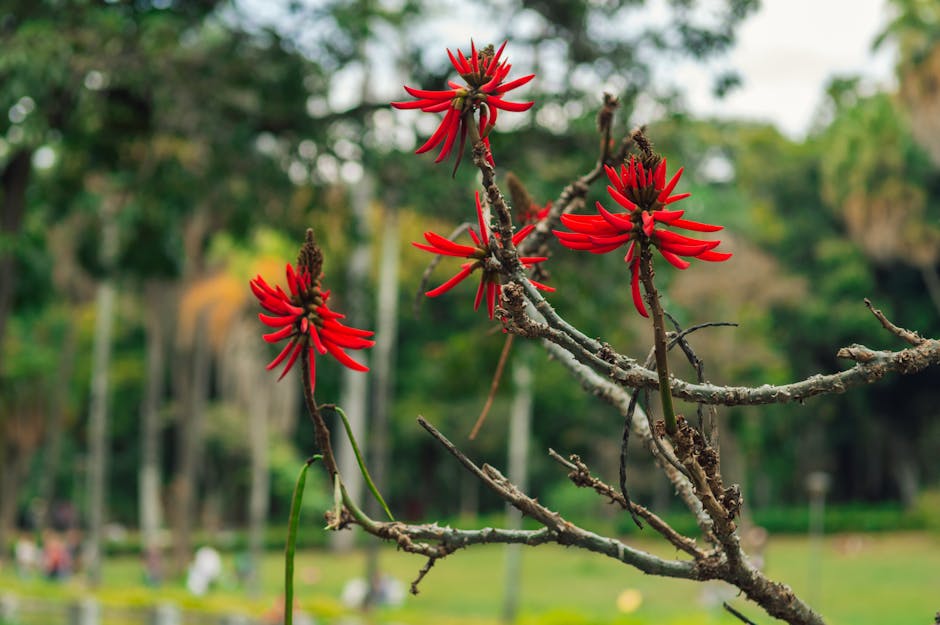
Erythrina crista-galli: Care, Propagation & Sustainable Management
Detailed analysis of climatic conditions, substrate, propagation methods, transplanting, and sustainable agronomic management of the Cockspur Coral Tree.
Unlock Fresh Flavors: Cultivating Your Own Culinary Herb Oasis
Learn how to grow a vibrant kitchen herb garden, bringing fresh, aromatic flavors from your pots directly to your plate.

Bellis perennis Cultivation: Substrate, Nutrition, Propagation, Health
Addresses substrate requirements, light, propagation methods, watering, nutrition, and phytosanitary management for maximizing daisy bloom and health.
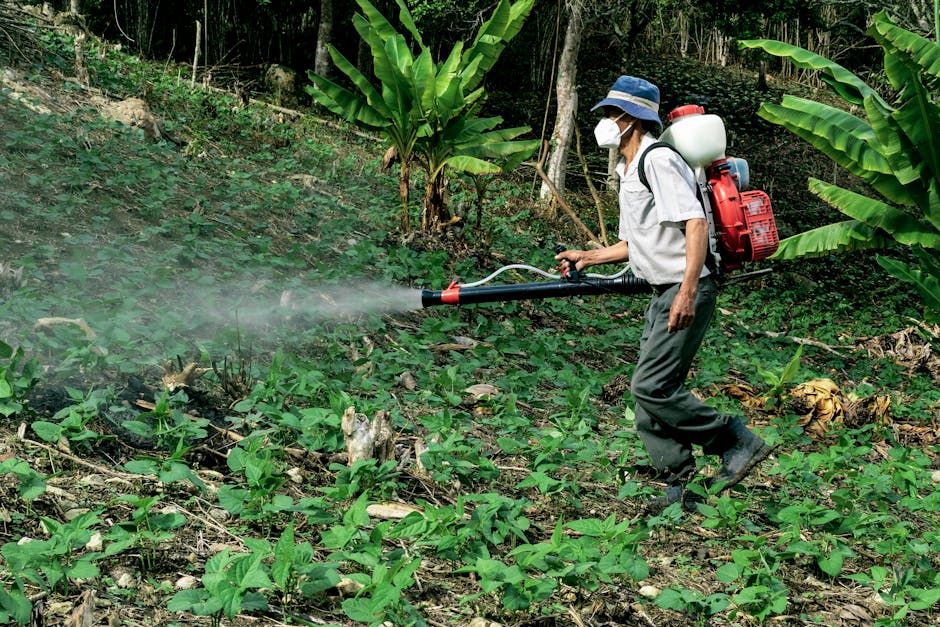
Amazon Gardening: Soil, Agroforestry & Water Management
Analyzes Amazonian soil science, agroforestry, and water management, highlighting `terra preta`, native species, and permaculture for resilient cultivation.