Phytophthora infestans: Diagnosis, Life Cycle & Management in Potatoes/Tomatoes
Covers symptom identification, the life cycle of *P. infestans*, and preventive/control strategies for protecting potato and tomato crops.

Symptom Identification and Biological Cycle of Phytophthora infestans
The late blight, caused by the oomycete Phytophthora infestans, represents one of the most devastating threats to potato (Solanum tuberosum) and tomato (Solanum lycopersicum) crops globally. This disease, known for its rapid spread and destructive capability, can annihilate entire harvests within days under favorable environmental conditions, generating significant economic losses for producers in regions like ours. Understanding its nature and applying effective management strategies is crucial for safeguarding productivity and ensuring the quality of these staple foods in our gardens and fields.
Diagnosis and Life Cycle of Phytophthora infestans
Early identification of late blight is critical for its control. Initial symptoms appear as irregular dark green to black spots on the leaves, often surrounded by a chlorotic halo. With high humidity, white, cottony growth is observed on the underside of the leaves, corresponding to the pathogen’s spores. These lesions expand rapidly, affecting stems and petioles, leading to plant collapse. On tomato fruits, firm, greenish-brown lesions develop, which can cover large areas. In potatoes, infected tubers show a dry, granular, reddish-brown rot that extends from the surface inward. The life cycle of Phytophthora infestans is favored by moderate temperatures (between 10°C and 25°C) and prolonged periods of high leaf wetness, conditions common in many of our agricultural zones during spring and autumn. Spores (sporangia) are dispersed by wind and rain, infecting new plants and spreading the disease with alarming speed. A useful resource for visual identification can be found in publications from institutions like INTA, for example, their technical sheet on late blight of potato and tomato.
Prevention and Cultural Management Strategies
Prevention is the cornerstone of late blight management. Selecting potato and tomato varieties with genetic resistance is a priority strategy. New varieties with greater tolerance to Phytophthora infestans are currently being researched and developed, representing a significant advancement for crop resilience in the face of climate change. Crop rotation, avoiding planting solanaceous crops in the same plot for at least three years, interrupts the pathogen’s life cycle in the soil. Adequate spacing between plants and good ventilation reduce leaf wetness, hindering spore germination. Implementing drip or trickle irrigation systems, rather than overhead sprinklers, minimizes foliage wetting. Likewise, removing and destroying infected crop residues, volunteer potatoes, and weeds from the solanaceous family is essential to reduce inoculum sources. Permaculture practices, such as garden designs that promote biodiversity and soil health, also contribute to the overall resilience of the agricultural ecosystem.
Integrated Control and Innovative Solutions
When environmental conditions are conducive to the disease, an integrated control approach combines various tactics. Constant monitoring of crops and weather conditions allows for informed decision-making regarding treatment application. In organic farming, copper-based fungicides, such as Bordeaux mixture, offer an effective preventive option, although they require periodic and careful application to avoid phytotoxicity. For conventional control, specific fungicides are available that act systemically or contactually, and their use should be alternated to prevent the development of resistance in the pathogen. Current research explores the use of biological control agents, such as certain antagonistic microorganisms, which compete with Phytophthora infestans or inhibit its growth. Emerging technologies, such as predictive models based on climate data and the use of leaf wetness sensors, enable producers to anticipate outbreaks and apply treatments more precisely and efficiently, reducing environmental impact and costs. The application of these intelligent systems is a growing trend in modern horticulture.
Effective management of late blight requires a combination of constant vigilance, appropriate cultural practices, and, when necessary, strategic intervention with phytosanitary products. Adopting an integrated approach that prioritizes prevention, the selection of resistant varieties, and the intelligent use of available technologies is the most sustainable path to protect our potato and tomato crops. Investing in knowledge and the application of these strategies not only minimizes losses but also contributes to the overall health of the agroecosystem and the food security of our communities.
Related Articles

Argentina Bee Gardens: Native & Honey Bee Design, Flora, Management
Designing habitats for pollinators: native flora selection, seasonal planning, and organic management to support bees in Argentina.
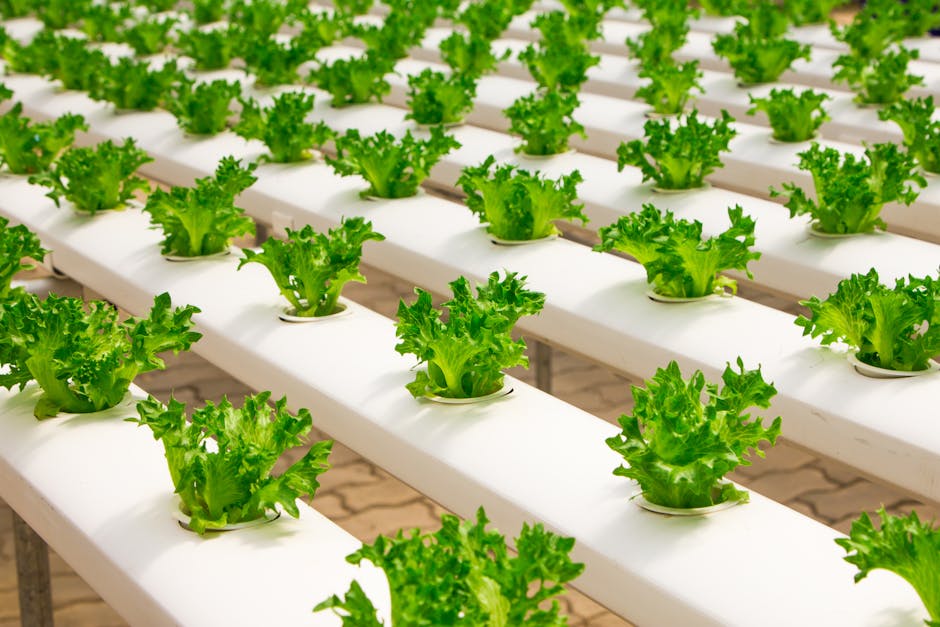
Year-Round Lettuce Cultivation: Varieties, Techniques, and Environmental Management
Ensure seasonally fresh lettuce through varietal selection, staggered planting, hydroponics, and microclimate control for continuous harvest.
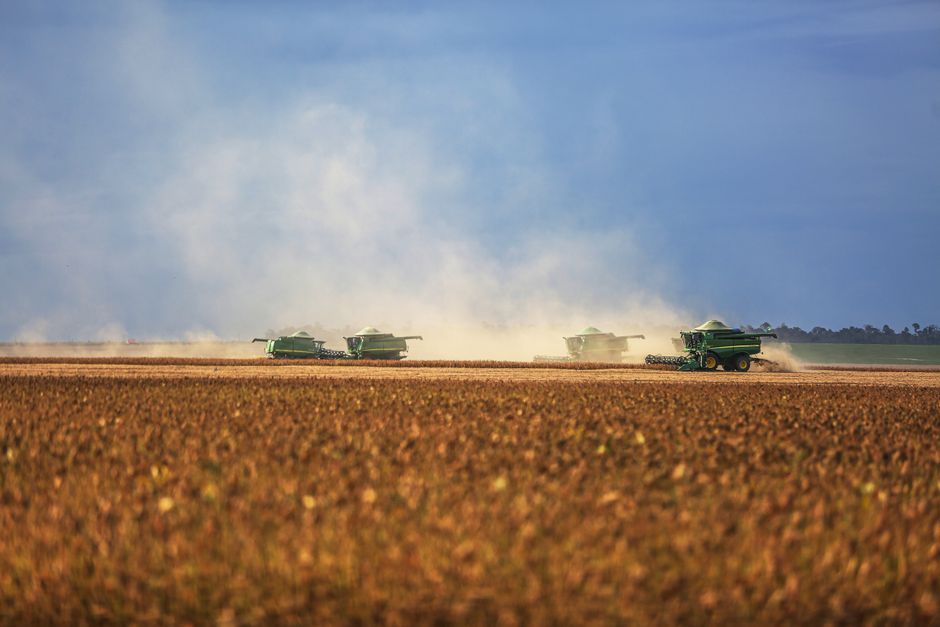
Continuous Lettuce Cultivation: Varietal Selection, Substrates, and Seasonal Management
Strategies for constant lettuce production: cultivar selection, ideal substrates, and seasonal management techniques.

Grow Your Own Green Gold: Mastering Yerba Mate Cultivation at Home
Learn how to cultivate Yerba Mate, the iconic South American herb, in your own garden with expert tips and actionable advice.