Crop Rotation: A Pillar for Agricultural Seed Health and Quality
Alternating plant species to disrupt pest cycles, enhance soil fertility, and yield seeds with superior vigor and resilience.
Principles of Crop Rotation in Seed Production
High-quality seed production is a fundamental pillar for sustainable agriculture and food security. One of the most effective agronomic strategies to ensure the health and vigor of plants intended for seed production is crop rotation. This approach, beyond being an age-old practice, integrates with innovations today that enhance the resilience of agricultural systems against challenges such as climate change and pest and disease pressure. Implementing appropriate rotation is essential for maintaining soil fertility, reducing reliance on external inputs, and ultimately obtaining seeds with superior genetic and physiological potential.
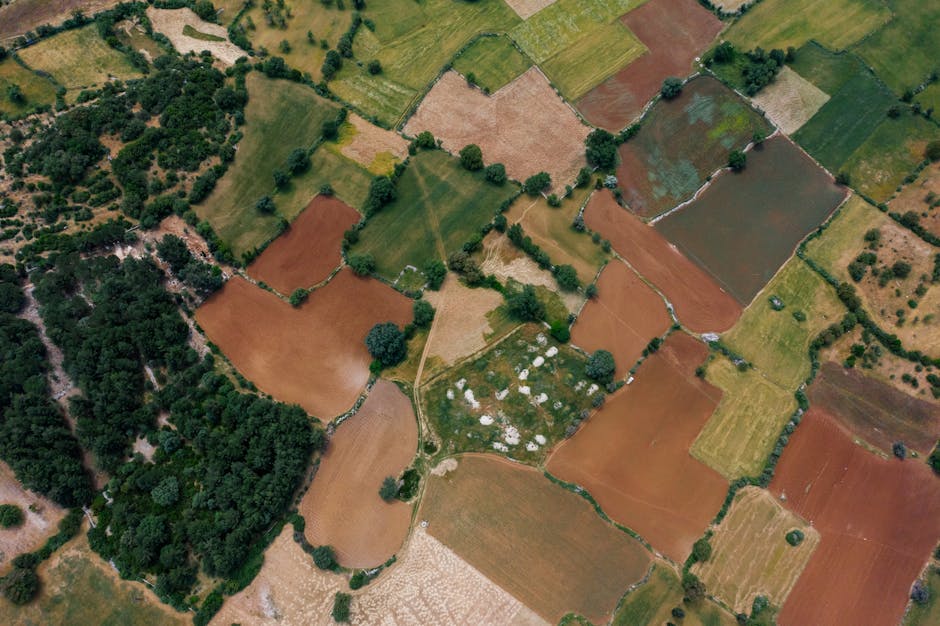
The implementation of crop rotation in plots dedicated to seed production is based on the systematic alternation of different plant species on the same land over time. This method disrupts the life cycles of specific soil pathogens and insect pests that are often associated with a single cultivated species. For example, alternating between grasses (like corn or wheat) and legumes (like peas or soybeans) allows for more efficient nutrient management. Legumes, through their symbiosis with nitrogen-fixing bacteria, enrich the soil, benefiting subsequent crops that require this element. The root structure of each species also varies, which helps improve aeration and water infiltration in different soil horizons. Proper soil management through rotation optimizes the soil microbiome, creating a healthier environment for the development of robust mother plants, crucial for the final quality of the seeds.
Designing Rotation Sequences for Seed Production
The planning of rotation sequences for seed production requires meticulous consideration of botanical families, the nutritional needs of each crop, and their susceptibility to pests and diseases. An effective sequence might include a high-value seed crop (e.g., tomato), followed by a legume to restore nitrogen (e.g., peas), then a grass to add organic matter and improve structure (e.g., oats as a cover crop), and finally a crucifer to help suppress nematodes and weeds (e.g., mustard). It is crucial to avoid consecutive planting of species from the same family or those with common pathogens. For instance, in Argentina, INTA has developed guides for extensive crop rotations that can be adapted to seed production scales, emphasizing the importance of cover crops for maintaining soil health between production cycles. These practices not only improve fertility but also contribute to the genetic purity of seeds by reducing the proliferation of weeds that could cross-pollinate or compete with the crop of interest. See information on rotations at INTA.
The health of the mother plant has a direct correlation with the quality of the seed produced. A well-designed rotation system minimizes biotic and abiotic stress on plants, which translates into seeds with greater vigor, viability, and germination rates. The reduction of soil pathogen load, such as fungi and bacteria, decreases the likelihood of disease transmission to the seeds. Furthermore, improved nutrient availability and soil structure promote optimal plant development, allowing them to accumulate adequate reserves in the seeds. Recent research highlights how soil microbial biodiversity, enhanced by rotation, confers greater plant resistance to adverse conditions, a critical factor in the context of climate change. This implies that seeds collected from plants grown under rotation are not only healthier at the time but also have a greater potential to produce resilient plants in future sowings, contributing to the adaptation of agricultural systems. Explore studies on seed quality at FAO.
Impact of Rotation on Seed Resistance and Quality
Crop rotation represents an indispensable agronomic strategy for the production of high-quality seeds. Its benefits extend from improving soil health and fertility to mitigating pests and diseases, culminating in seeds with greater vigor and resilience. Integrating this practice with current knowledge on soil biodiversity and agricultural sustainability not only optimizes seed yield and quality but also strengthens the foundation for more robust agriculture adapted to future challenges. It is a long-term investment in the productivity and sustainability of any seed production system.
Related Articles

Oyster Mushroom Cultivation: Substrates, Environment, and Home Harvesting
Details substrate selection, heat treatment, inoculation, and environmental control for home oyster mushroom cultivation, including harvesting and sustainability.
Unlock Fresh Flavors: Cultivating Your Own Culinary Herb Oasis
Learn how to grow a vibrant kitchen herb garden, bringing fresh, aromatic flavors from your pots directly to your plate.

Agricultural Thermal Blankets: Crop Microclimate Protection and Optimization
Analysis of polypropylene agrotextiles: materials, direct or tunnel installation, and their impact on plant development and sustainability.

Summer Lawn Management: Water, Nutrient, and Cultural Strategies for Warm Climates
Irrigation, biostimulation, and mowing height adjustments for vigorous, resilient turf in heat and drought.