Sustainable Gardening in Calakmul: Water Management, Soils, and Native Species
Integrating water management, agroforestry systems, and native species for botanical resilience in the Calakmul Biosphere Reserve.

Water Management and Moisture Conservation in Tropical Ecosystems
The Calakmul Biosphere Reserve, in the heart of the Maya Forest, represents an ecosystem of immeasurable biological and cultural value. Practicing gardening in this region demands a deep understanding and inherent respect for its delicate balance. Tropical conditions, characterized by high temperatures, constant humidity, and specific soil types, present unique challenges and opportunities. Sustainable gardening in Calakmul not only aims for production but also for harmonious integration with the environment, promoting biodiversity and ecological resilience.
Water management is a critical factor in the success of gardening in the Calakmul region. Seasonal rainfall patterns, with periods of intense precipitation followed by droughts, require efficient conservation strategies. The implementation of rainwater harvesting systems is fundamental, allowing the resource to be stored for use during dry periods. Drip irrigation emerges as a superior technique, optimizing water delivery directly to the root zone of plants and minimizing evaporation. Recent studies demonstrate that the use of soil moisture sensors, connected to automated irrigation systems, can reduce water consumption by up to 30%, adapting to the precise needs of each crop. The application of organic mulching using local organic materials, such as dry leaves or plant debris, significantly contributes to soil moisture retention, buffering thermal fluctuations and suppressing weed growth. This practice is essential for replicating the conditions of the forest’s leaf litter layer and enriching the soil in the long term. Selecting drought-tolerant plant species or those adapted to local water cycles is a key preventive strategy for garden resilience.
Agroforestry Systems for Karstic Soil Regeneration
Calakmul’s soil, often of karstic origin with thin layers of fertile earth, demands a management approach that prioritizes the construction and conservation of organic substrate. The principles of regenerative agriculture and permaculture offer robust solutions. Integrating native fruit trees (such as Ramon or Sapodilla), shrubs, and annual crops in agroforestry systems mimics the forest structure, improving soil fertility, controlling erosion, and fostering a favorable microclimate. Composting organic waste, both domestic and agricultural, is a vital practice for generating nutrient-rich humus, essential for revitalizing depleted soils. Incorporating green manures and cover crops (legumes, grasses) between annual planting cycles contributes to nitrogen fixation and soil structure. Research on soil microbiomes in tropical ecosystems underscores the importance of not excessively disturbing the land, favoring the activity of mycorrhizal fungi and beneficial bacteria that establish symbiosis with plant roots, improving nutrient uptake and disease resistance. The biodiversity of local flora is an invaluable asset for soil health and agroecosystem resilience. More information on Mexico’s biodiversity can be found at the National Commission for the Knowledge and Use of Biodiversity: https://www.biodiversidad.gob.mx/
The choice of plant species is a pillar of sustainable gardening in Calakmul. Prioritizing the cultivation of native plants or varieties adapted to the humid tropical climate reduces the need for external inputs and minimizes the risk of introducing invasive species. Fruits such as Mamey, Soursop, Annona, and warm-climate vegetables like Habanero peppers, cassava, or chayote thrive in these conditions. Companion planting, an integrated management technique, allows for the establishment of beneficial synergies, where certain species repel pests or attract pollinators and natural predators. For example, Marigold (Tagetes erecta) can act as a nematode repellent. Constant monitoring of pests and diseases, along with the application of biological controls (such as using Bacillus thuringiensis for lepidopteran larvae) and botanical extracts (like Neem), is preferable to the use of agrochemicals, protecting wildlife and water quality. Current genetic studies aim to identify local crop varieties with greater resistance to endemic pests and diseases, as well as increased tolerance to water and thermal stress, crucial characteristics in the face of climate change scenarios.
Selection of Native Species and Regional Botanical Resilience
Gardening in the Calakmul Biosphere Reserve is a practice that transcends mere food production or landscape beautification. It represents a commitment to the conservation of one of America’s most important green lungs, a living laboratory of sustainability and resilience. The integration of ancestral Mayan techniques with modern innovations, such as precision agriculture and applied biotechnology, forges a path towards productive systems that honor the region’s natural and cultural legacy. Adopting these practices not only enriches the soil and biodiversity but also fosters a deeper connection with the environment, promoting a vision of harmonious coexistence between human activity and Calakmul’s lush nature.
Related Articles

Urban Adaptive Horticulture: Principles and Strategies of Garabato Cultivation
Garabato Cultivation optimizes urban spaces with flexibility, resilient species selection, and efficient water and waste management.
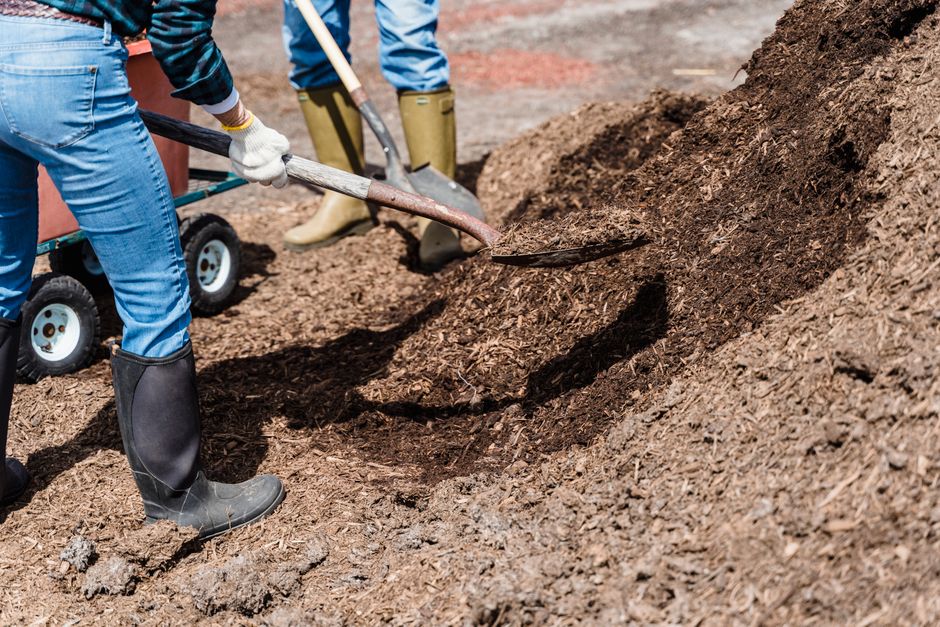
Soil Water Conservation: Mulch & Physical Mechanisms
Examines physical principles of mulching, categorizes organic and inorganic materials, and details application strategies for maximizing water retention.

Plant Companionship: Bio-Repellent Strategies for Sustainable Urban Gardens
Implementing plant companionship with repellent species to enhance biodiversity and natural pest control in urban gardens.

Pink Trumpet Tree: Ecology, Propagation & Urban Biodiversity
Details ecology, seed and mycorrhizal propagation, and water-nutritional management of the Pink Trumpet Tree for landscape restoration and resilience.