Durio zibethinus: Climate, Soil, Propagation & Agronomy
Comprehensive analysis of soil-climate conditions, propagation techniques, irrigation, nutrition, pruning, and phytosanitary control for durian cultivation.

Climate and Soil Requirements for Durio zibethinus
The durian (Durio zibethinus), globally known as the “King of Fruits,” holds a unique reputation due to its intense aroma and complex flavor. This tropical fruit, native to Southeast Asia, evokes both fascination and controversy. Its cultivation, while challenging, rewards horticulturists with one of the most valued fruits in specialized markets. Understanding its specific needs is fundamental for establishing productive and sustainable plantations, especially in subtropical regions seeking to diversify their fruit production.
Durian thrives in humid tropical environments with consistently high temperatures, ideally between 24°C and 32°C. Significant thermal fluctuations can negatively impact its development. It requires high relative humidity, ranging between 75% and 90%, and abundant annual rainfall, generally between 1,500 and 3,000 mm, uniformly distributed. Brief dry spells can induce flowering, but prolonged water scarcity is detrimental.
Regarding soil, durian demands a deep, fertile substrate with, crucially, excellent drainage. Heavy clay soils or those prone to waterlogging are unsuitable, as root suffocation and pathogen proliferation are latent risks. A slightly acidic pH, between 6.0 and 7.0, is optimal, along with a high concentration of organic matter that promotes nutrient retention and soil structure. Proper land preparation before planting is a determining factor for the long-term success of the plantation.
Propagation Methods and Durian Plantation Establishment
Durian propagation is predominantly carried out through grafting to ensure genetic uniformity and early production. While propagation by seed is possible, the resulting trees take longer to fruit and do not guarantee varietal fidelity. Bud or scion grafting onto vigorous rootstocks, selected for disease resistance or adaptation to specific soil conditions, is the preferred technique. This practice allows for the multiplication of clones with desirable characteristics, such as fruit quality or resistance to certain pathologies.
The establishment of new plantations requires meticulous planning. Selecting a site with adequate sun exposure and protection from strong winds is vital. Plant spacing should allow for optimal canopy development and facilitate management tasks, generally between 8 and 12 meters, depending on the variety and pruning system. The initial post-transplant phase demands constant irrigation and protection against young pests and diseases, ensuring robust rooting and vigorous vegetative growth.
Water management is a fundamental pillar in durian production. During flowering and fruiting stages, water demand is at its peak, and any drought stress can result in the drop of flowers or fruits. Implementing drip or micro-sprinkler irrigation systems allows for efficient and localized water application, minimizing waste and the development of foliar fungal diseases. Soil moisture monitoring, through sensors or manual methods, guides irrigation scheduling.
Agronomic Management: Irrigation, Nutrition, and Pruning in Durian Cultivation
Durian nutrition requires a balanced fertilization program, based on soil and foliar analyses. Young trees need a higher nitrogen input for vegetative growth, while mature trees demand greater quantities of potassium and phosphorus, along with micronutrients such as boron, copper, and zinc, which are crucial for flowering and fruit development. The application of organic matter and amendments improves soil structure and nutrient availability. Pruning plays an essential role in shaping the tree’s structure, removing dead or diseased branches, and promoting good aeration and light penetration into the canopy, which directly impacts harvest quality and quantity. Fruiting pruning aims to maintain a balance between vegetative growth and fruit production.
The protection of durian crops against pests and diseases is a constant challenge. Stem rot, caused by Phytophthora palmivora, is one of the most devastating diseases. Implementing Integrated Pest Management (IPM) is crucial, combining cultural practices, biological control, and, if necessary, the selective use of phytosanitary products. Prevention, through good drainage, healthy planting material, and proper pruning, is the most effective strategy.
Durian harvesting is a delicate process, as the ripe fruit naturally falls from the tree. Manual collection of fallen fruits prevents damage and ensures optimal maturity. Growers often place nets or meshes beneath the trees to cushion the fall and protect the fruits. Identifying maturity signs, such as color change, characteristic aroma, and the ease with which the stem detaches, is fundamental to ensuring final product quality. Current trends in durian cultivation include research into new disease-resistant varieties adapted to changing climatic conditions, as well as the application of precision agriculture technologies. Soil moisture sensors, remote monitoring systems, and the use of drones for crop health assessment are innovations that optimize resources and improve efficiency. Agroforestry and organic farming systems are also gaining ground, seeking more sustainable and environmentally friendly production. For further insights into the botany and cultivation of tropical fruits, specialized online resources such as Infojardin can be consulted, offering detailed information on various species. https://www.infojardin.com/
Phytosanitary Control and Durian Harvest: Sustainable Approaches and Innovation
Durian cultivation, with its complexity and specific needs, represents a significant investment that can yield substantial benefits. From meticulous site selection and appropriate propagation to precise agronomic management and the application of sustainable phytosanitary approaches, every stage is vital. Integrating innovative practices and adapting to local conditions are key to producing this exceptional fruit, consolidating its presence in demanding markets and contributing to the diversity of tropical fruit farming.
Related Articles

Companion Planting: Plant Synergy for a Productive and Resilient Garden
Learn how companion planting optimizes space, improves soil health, and naturally protects plants from pests.
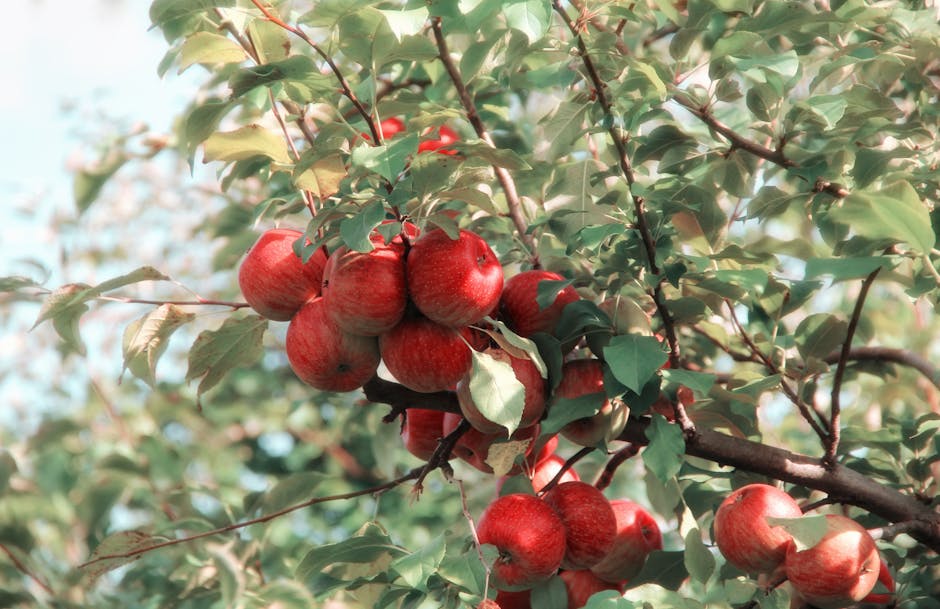
Fruit Trees at Home: Essential Practices for Abundant and Healthy Harvests
Improve the health and productivity of your fruit trees with sustainable selection, pruning, nutrition, and irrigation techniques.
Integrated Management of Ceratitis capitata: Biology, Monitoring, and Control in Fruit Cultivation
Integrated pest management strategies for Ceratitis capitata, covering its life cycle, monitoring, and control techniques.

Carica papaya Cultivation: Climate, Propagation, Management & Innovations
Details on climate, soil, propagation, sustainable agronomic management, pest control, and recent advances for papaya cultivation in frost-free climates.