Dew Point: Influence on Leaf Wetness and Its Impact on Plant Pathogens
Analyzes dew point formation of leaf wetness, its role in pathogen proliferation, and plant health management strategies.
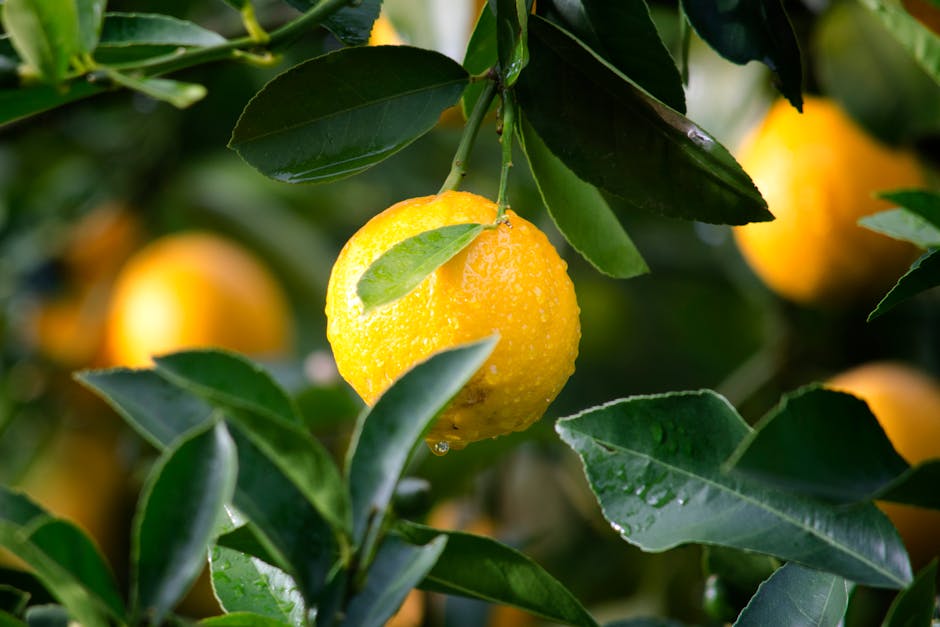
Dew Point Formation and Its Impact on Leaf Condensation
The health of plants in our crops and gardens is intrinsically linked to environmental factors that often go unnoticed. Among these, the dew point emerges as a critical element, directly influencing the onset and spread of various plant diseases. Understanding this meteorological phenomenon not only allows for risk anticipation but also for the implementation of preventive strategies that safeguard plant vitality. This analysis explores the fundamental connection between dew point and pathogen incidence, offering tools for more effective and sustainable plant health management.
The dew point represents the temperature to which air must be cooled, at constant pressure and moisture content, for water vapor to condense into liquid form. This condensation manifests as dew on plant surfaces or as fog if it occurs in the air. When leaf temperature drops below the dew point of the surrounding air, a thin layer of moisture forms on them. This process is most common during clear, windless nights, when plant surfaces radiate heat and cool rapidly. The duration of this leaf wetness is a determining factor in the life cycle of many pathogens.
Duration of Leaf Wetness as a Critical Factor for Pathogens
The prolonged presence of free water on leaf surfaces creates an ideal microenvironment for fungal spore germination and the development of pathogenic bacteria. Organisms such as downy mildew (Peronospora spp., Plasmopara viticola), late blight (Phytophthora infestans), and various rusts (Puccinia spp.) require specific periods of leaf wetness to initiate infection. For example, downy mildew on lettuce or grapevine downy mildew thrive with continuous hours of moisture. Spores, upon encountering this water film, germinate, and their germ tubes penetrate plant tissues, initiating the disease. The critical duration of leaf wetness varies depending on the pathogen and temperature, but generally ranges from 4 to 12 hours for infection to establish effectively. Precise monitoring of the dew point and ambient temperature allows for the estimation of these risk periods.
Proactive management of the dew point is fundamental for plant health. Selecting varieties resistant or tolerant to common diseases in the region, such as those developed by INTA for the Southern Cone, reduces plant susceptibility. Regarding cultural practices, adequate spacing between plants improves air circulation, facilitating faster foliage drying and minimizing the formation of humid microclimates. Strategic pruning of the lower or dense parts of plants also contributes to better ventilation and sunlight penetration. Concerning irrigation, it is recommended to apply water early in the morning to allow leaves to dry completely before nightfall, thus avoiding prolonged nocturnal moisture when the dew point is more likely to be reached. The use of drip or seep irrigation systems directly at the plant base minimizes leaf wetting, a practice that has proven highly effective in preventing diseases like botrytis in strawberries or downy mildew in cucurbits. Furthermore, the implementation of organic mulching helps maintain soil moisture, reducing the need for frequent irrigations that could increase ambient humidity. Recent studies in the Pampas region suggest that optimizing irrigation based on dew point forecasts and using evapotranspiration models can significantly reduce the use of preventive fungicides in extensive and horticultural crops.
Cultural Practices and Modification of the Water Microclimate
Modern agriculture integrates advanced technologies to monitor and predict conditions favorable for disease outbreaks. Leaf wetness sensors, infrared thermometers, and automated weather stations, often connected to Internet of Things (IoT) platforms, provide real-time data on temperature, relative humidity, and consequently, the dew point. These systems enable growers and gardeners to receive alerts and access predictive models that indicate the highest risk periods for infection. For instance, mobile applications and web platforms exist that, by integrating microclimate data and weather forecasts from services like Argentina’s National Meteorological Service, calculate the duration of leaf wetness and the risk index for specific pathogens such as blight or leaf spot. This information is crucial for implementing precise Integrated Pest Management (IPM), where interventions are performed only when strictly necessary, reducing the environmental impact and costs associated with unnecessary preventive treatments. Research into crop varieties that dry their foliage more quickly, a trait known as “rapid leaf drying,” is also a growing trend in genetic improvement, offering a genetic solution to this plant health challenge, especially relevant in the context of climate change altering humidity patterns.
Understanding the dew point and its impact on leaf wetness is an invaluable tool for any gardener or grower. By integrating this knowledge with appropriate cultural practices and leveraging available technologies, it is possible to build more resilient and healthier cropping systems. Disease prevention through environmental management not only protects plants but also fosters more sustainable and productive horticulture, reducing reliance on chemical treatments. Staying informed about climatic conditions and acting proactively is the key to a thriving, disease-free garden.
Related Articles
Elevate Your Cuisine: Cultivating a Thriving Home Herb Garden
Understand the joy of fresh flavors! Learn how to grow essential culinary herbs at home, from planting to harvesting, for vibrant dishes.

Unlock Fresh Flavors: Cultivating Your Own Culinary Herb Oasis
Learn how to grow a vibrant kitchen herb garden, bringing fresh, aromatic flavors from your pots directly to your plate.

Integrated Summer Turf Management: Watering, Nutrition, and Health for High Resilience
Enhance summer turf health with advanced watering, strategic nutrition, and pest management for maximum resilience.

Ecological Pest Management: Prevention, Monitoring, and Biological Solutions
Sustainable strategies for chemical-free pest control in orchards and gardens, focusing on prevention and biological methods.