Biology and Industrial Applications of Bombyx mori Silk
Explore protein synthesis, Bombyx mori life cycle, environmental factors, and biomedical/textile uses of silk. Discusses challenges and advances.

Biochemistry of Fibroin and Sericin in Silk Production
Silk production by caterpillars is a biological phenomenon of significant interest, both from a natural and industrial perspective. This process, historically dominated by the species Bombyx mori, the silkworm caterpillar, has sustained a millennia-old industry and continues to be a subject of research due to its unique properties and novel applications.
The life cycle of Bombyx mori is fundamental to sericulture. These caterpillars hatch from tiny eggs and go through five larval instars, growing exponentially and molting their skin at each stage. During this intensive feeding phase, primarily on mulberry leaves (Morus alba), they accumulate the energy and protein reserves necessary for metamorphosis. Upon reaching their maximum size, the caterpillar stops feeding and begins secreting silk to construct its cocoon.
The silk synthesis process involves two silk glands located along the caterpillar’s body. These glands produce a fibrous protein, fibroin, and an outer gummy layer, sericin. Fibroin is the primary structural component, known for its exceptional tensile strength and elasticity. Sericin acts as a binder, holding the fibroin filaments together. The caterpillar extrudes these liquid filaments through an opening called a spinneret, where they solidify upon contact with air. This meticulous process allows the caterpillar to construct a continuous cocoon of up to 900 meters of silk thread within three to four days. A detailed understanding of this biological mechanism has been key to optimizing production and exploring new application avenues [1].
Impact of Mulberry Diet on Silk Biosynthesis
The quality and quantity of silk produced by caterpillars are intrinsically linked to environmental and nutritional conditions during their larval phase. Diet is the most critical factor; mulberry leaves (Morus alba) are essential, as their nutritional composition directly influences fibroin and sericin synthesis. The availability of specific amino acids in mulberry, such as glycine, alanine, and serine, is vital for the construction of silk proteins. Nutritional deficiencies can result in smaller cocoons or silk filaments with lower strength.
In addition to diet, environmental temperature and humidity play a crucial role. An optimal temperature range, generally between 23°C and 28°C, and controlled relative humidity, between 60% and 75%, promote healthy caterpillar growth and efficient silk production. Significant deviations from these ranges can cause stress in the caterpillars, reduce their appetite, prolong larval instars, and ultimately decrease silk quality and yield. Implementing environmental monitoring and control techniques in sericulture facilities is standard practice to ensure optimal conditions, which has become a relevant challenge in regions with climatic variability, such as some areas of Latin America.
While the textile application of silk is the most well-known, the biomechanical and biocompatible properties of fibroin have driven its use in advanced fields. In biomedicine, silk is employed in surgical sutures, scaffolds for tissue engineering, controlled drug delivery systems, and as a biomaterial for implants. Its strength, flexibility, and controlled degradability make it ideal for these applications, minimizing the body’s immune response. Recent research explores silk as a material for creating artificial organs and in peripheral nerve regeneration.
Emerging Biomedical Applications of Silk Fiber
Current trends in sericulture are oriented towards sustainability and biotechnological innovation. Research is being conducted on optimizing alternative diets for caterpillars, reducing exclusive reliance on mulberry and exploring more efficient or less intensive cultivation food sources. Likewise, genetic engineering aims to develop Bombyx mori varieties that produce silk with improved properties, such as increased strength, elasticity, or even the ability to incorporate antimicrobial agents. In Argentina and other countries in the region, there is growing interest in sericulture as a complementary economic activity, promoting low-environmental-impact practices and valuing mulberry cultivation by-products.
Silk production faces inherent challenges, such as the susceptibility of caterpillars to viral and bacterial diseases, and the labor-intensive nature of the traditional process. Biosecurity in breeding facilities is crucial to prevent outbreaks that could decimate entire populations. In response, technological advancements are transforming sericulture.
The development of sensors and automated systems for real-time environmental condition monitoring allows for more precise management and reduces disease risk. Genetic selection, using molecular markers, facilitates the identification and breeding of caterpillars with greater resistance to pathogens and desirable silk production characteristics. Furthermore, modern biotechnology explores the production of recombinant silk proteins in organisms such as bacteria or yeasts, as well as in plants, which could offer an alternative to traditional caterpillar farming, especially for high-tech applications. These approaches promise more efficient, controlled, and scalable production, opening new frontiers for silk as a material of the future.
Biosecurity and Genetic Advances in Modern Sericulture
Silk, with its origin in a fascinating biological process, continues to be a material of global relevance. From its ancestral role in the textile industry to its cutting-edge biomedical applications and advances in sustainable sericulture, understanding and optimizing silk production by caterpillars remains a dynamic field. Research into new varieties, diets, and technologies promises to keep this extraordinary biopolymer at the forefront of materials science and economic innovation, even for the development of regional economies.
[1] UNAM, Revista ¿Cómo ves? - La seda: un tesoro natural: https://www.comoves.unam.mx/numeros/articulo/13/la-seda-un-tesoro-natural
Related Articles

Life Cycle and Ecology of Agraulis vanillae: Focus on Passiflora Host Plants
Details the developmental stages of Agraulis vanillae, its dependence on Passiflora, and urban cultivation strategies for biodiversity conservation.

Itín (*Prosopis kuntzei*): Ecology, Propagation, Management
Cultivation strategies for *Prosopis kuntzei* focusing on its ecology, propagation methods, and agronomic management for restoration and resilience.

Plant Adaptation and Garden Design in Dry Shade Microclimates
Enhance your garden with substrate improvement, mulching, irrigation, and resilient species selection for lush landscapes in limited light and water.
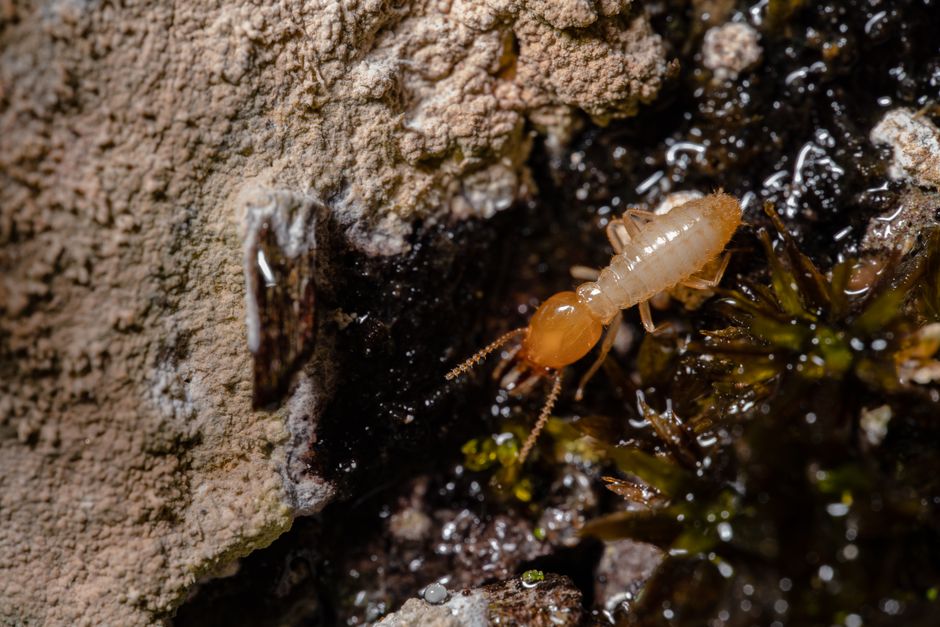
Termites: Biology, Wood Biodegradation, and Ecosystemic Impact
Examines termite social biology, their role in cellulose decomposition, and their ecological impact as ecosystem engineers.