Horticultural Strategies for Low Solar Irradiance Conditions
Optimizing gardens for prolonged cloud cover: species selection, light, water, nutrient, and pest management for resilience.
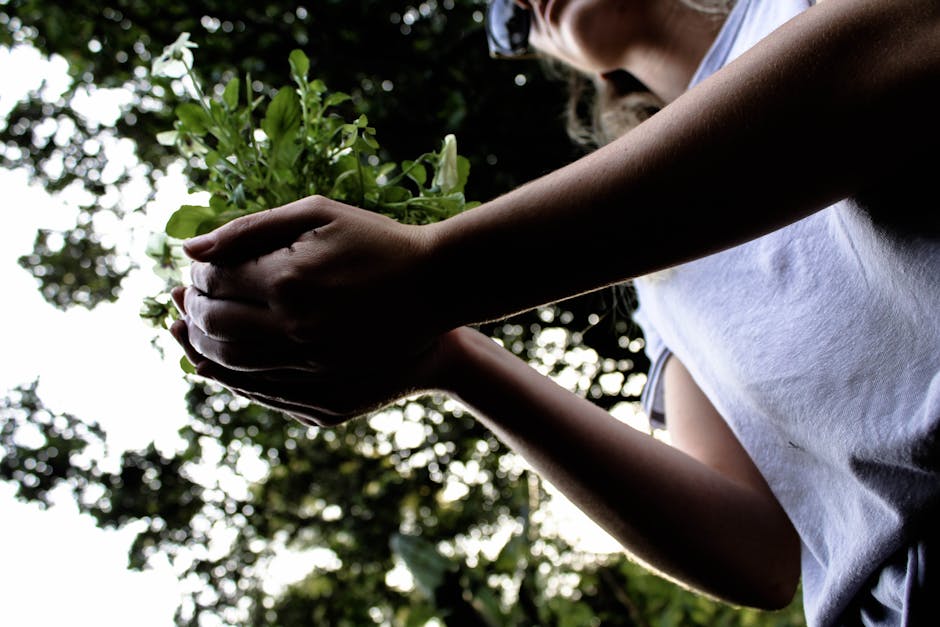
Physiological Alterations Due to Reduced Light Irradiance
Persistent gray days and overcast skies pose a significant challenge for garden cultivators. The reduction in direct sunlight directly impacts photosynthesis, a vital process for plant development. Understanding how high cloud cover conditions affect plants and applying specific strategies is crucial for maintaining crop productivity and health. This article explores adaptive methods and innovative techniques that allow horticulturists to effectively manage their green spaces, even when the sun is hidden for extended periods. Garden resilience in the face of changing climatic scenarios is a fundamental pillar of current sustainable and urban agriculture.
The prolonged absence of direct solar radiation alters multiple physiological processes in plants. Photosynthesis, the cornerstone of plant growth, decreases in efficiency due to the lack of necessary light energy. This manifests as slower growth, etiolated stems (weak and elongated in search of light), and reduced biomass production. Leaves may turn a paler green due to decreased chlorophyll synthesis. Furthermore, flowering and fruiting are compromised, directly impacting harvest yields. Recent research in plant photobiology, such as studies published by Wageningen University [https://www.wur.nl/en.htm], highlights the importance of light spectrum and intensity for optimizing development, even under diffuse light conditions. Understanding these mechanisms allows for the design of more precise management strategies.
Managing a garden under low light conditions demands adapted species selection and the implementation of techniques to maximize the use of available light.
Selecting Tolerant Species
Certain vegetables thrive better with fewer hours of direct sun. Leafy greens, such as lettuce, spinach, Swiss chard, kale, and arugula, are excellent choices, as their primary growth does not depend as heavily on fruiting. Root vegetables like radishes and carrots can also tolerate lower light conditions, although their development may be slower. Aromatic herbs like mint, parsley, cilantro, and chives adapt well to partial shade. New seed varieties, developed through genetic improvement, offer greater tolerance to diverse light conditions, representing a key innovation for urban and regional horticulturists in variable climates. Exploring specialized seed catalogs, such as those found on Infojardín [https://www.infojardin.com/], can reveal resilient options.
Selecting Cultivars and Modifying the Light Microenvironment
Optimizing Ambient Light
To enhance the light reaching plants, reflective surfaces can be employed. Using white mulch or aluminum foil around the base of plants can redirect diffuse light towards them. Strategic pruning of nearby trees or shrubs that cast excessive shade also helps improve illumination. In urban gardens or on balconies, arranging pots in tiers or vertical structures allows lower plants to receive more light. The implementation of vertical farming systems, a growing trend in urban agriculture, not only optimizes space but can integrate low-consumption supplemental LED lighting, simulating the optimal light spectrum during extreme cloudiness.
Cloud cover directly impacts plant evapotranspiration and soil evaporation, requiring precise adjustments in irrigation and fertilization to prevent problems and optimize nutrient absorption.
Adjusting Irrigation Frequency and Amount
On cloudy days, plants’ water demand decreases considerably. Overwatering in these conditions can lead to root suffocation, promote the development of fungal diseases, and cause nutrient leaching. It is essential to monitor soil moisture before watering. Simple tools like a soil moisture meter or the finger test (inserting it a few centimeters into the soil) are effective. In more advanced systems, soil moisture sensors connected to smart irrigation systems automatically adjust the amount of water based on the crop’s actual needs, a growing trend in precision agriculture. Implementing organic mulching helps maintain more consistent moisture and reduce excessive evaporation during the few sunny moments.
Adjusting Water Dynamics and Nutrient Supply
Adapted Fertilization
Plants under light stress have a reduced capacity to synthesize sugars and, consequently, to absorb and utilize certain nutrients. Excessive fertilization can be counterproductive. It is preferable to opt for liquid organic fertilizers or compost teas applied foliarly or in reduced doses, which provide nutrients in a more assimilable form and stimulate soil microflora. Biostimulants, formulations based on algae extracts, humic, or fulvic acids, are a relevant innovation. They help plants overcome stress, improve nutrient use efficiency, and promote more robust root development. Permaculture, as explained on Permacultura Argentina [https://www.permacultura.com.ar/], promotes long-term soil health through the constant incorporation of organic matter, which naturally enhances plants’ ability to cope with adverse conditions.
High cloud cover and consequent humidity create a microclimate conducive to the development of certain pests and diseases, especially fungal ones. A preventive and constant monitoring strategy is essential.
Preventing Fungal Diseases
Prolonged moisture on plant leaves is an ideal breeding ground for fungi such as downy mildew, powdery mildew, and rust. To mitigate this risk, ensuring good air circulation among plants is crucial. This is achieved through adequate spacing during planting and regular pruning of basal or diseased leaves. Avoiding overhead irrigation on cloudy days or in the evening is fundamental; drip irrigation directly at the plant base minimizes leaf wetness. Preventive application of organic fungicides, such as horsetail tea or low-dose Bordeaux mixture, can strengthen plant resistance. Selecting disease-resistant varieties, a constant advancement in botanical research, also offers an important line of defense. Additional tips can be found at La Huertina de Toni [https://lahuertinadetoni.com/].
Sanitary Management Protocols in High Humidity Conditions
Integrated Pest Management
Stress conditions can weaken plants, making them more susceptible to pest attacks. Constant monitoring of the garden allows for early identification of infestation signs. Implementing biological control techniques, such as introducing beneficial insects (ladybugs for aphids, for example) or using sticky traps, represents an ecological and sustainable solution. Companion planting, which repels pests or attracts their natural predators, is another effective permaculture tool. Regular garden cleanup, removing plant debris that might harbor pests or spores, is a basic yet fundamental practice. Recent advances in biopesticides based on plant extracts or microorganisms offer safe and efficient alternatives for pest control without harming the garden’s ecosystem.
Managing a garden under high cloud cover conditions does not have to be an impediment to obtaining healthy and productive harvests. Adapting crop selection, optimizing available light, meticulously adjusting irrigation and nutrition, and maintaining active vigilance against pests and diseases are pillars for success. Integrating technologies like moisture sensors and exploring new resistant plant varieties, along with sustainable practices like permaculture and the use of biostimulants, offer valuable tools for horticulturists to build resilient systems. Cultivating in a cloudy environment is an opportunity to deepen botanical knowledge and apply innovative solutions that strengthen the garden against climatic challenges.
Related Articles

Peony Cultivation: Soil Conditions, Planting, Nutrition, and Pruning
Optimizing peony cultivation: soil management, planting techniques, balanced nutrition, efficient watering, and pruning for bloom and health.

Cultivation and Management of Aromatic Herbs: Propagation, Requirements, and Conservation
Technical guide to growing aromatic herbs at home: selection, propagation, agronomic management, and conservation to maximize freshness and flavor.
Unlock Fresh Flavors: Cultivating Your Own Culinary Herb Oasis
Learn how to grow a vibrant kitchen herb garden, bringing fresh, aromatic flavors from your pots directly to your plate.

Plant Propagation by Cuttings: Effective Techniques for Gardeners
Master the ancient art of propagation by cuttings. Learn types, selection, and care to expand your plant collection.