Myrciaria cauliflora: Cultivation, Management, and Cauliflorous Fruiting
Details soil conditions, water management, nutrition, pruning, and the exceptional cauliflorous fruiting of jaboticaba for sustainable cultivation.
Soil and Climate Conditions for Cultivating Myrciaria cauliflora
The jaboticaba, Myrciaria cauliflora, is an exceptional fruit tree that defies botanical conventions. Native to the subtropical regions of South America, particularly Brazil and parts of Argentina and Paraguay, this tree is distinguished by the production of its fruits directly on the trunk and main branches, a phenomenon known as cauliflory. This characteristic not only gives it a unique ornamental appearance but also makes it a fascinating option for gardeners and producers seeking to integrate innovative species into their spaces, from urban gardens to larger farms. Its adaptability to different soil types and its positive response to sustainable cultivation practices position it as a fruit tree of growing interest in the current context of regenerative agriculture and the pursuit of biodiversity in food systems.
The success in cultivating Myrciaria cauliflora fundamentally depends on understanding and replicating its natural conditions. This species thrives in subtropical to tropical climates, characterized by mild winters and warm summers with regular rainfall. Sensitivity to frost is a critical factor; temperatures below -2°C can cause significant damage, especially to young plants. However, there are more cold-tolerant varieties that expand its cultivation range.
Regarding substrate, jaboticaba prefers deep, well-drained soils with a slightly acidic pH, ideally between 5.5 and 6.5. The presence of organic matter is crucial for its development, providing nutrients and improving soil structure. In urban environments, cultivation in pots or containers is viable, provided adequate volume for the root system and a specific substrate for fruit trees, enriched with compost, is guaranteed. This practice aligns with urban agriculture trends, allowing enthusiasts to enjoy this exotic fruit tree even on small balconies or patios. For more information on cultivating this species, you can consult the article on Jaboticaba on Infojardín. Current research explores the use of hydroponic and semi-hydroponic substrates to optimize growth in controlled systems, representing an advancement in the efficiency of space and resource use.
The proper establishment of a jaboticaba plant begins with selecting a healthy specimen and preparing the planting site. For young plants, a planting hole that is double the width of the root ball and the same depth is recommended. When planting in the ground, a distance of at least 4-5 meters between trees is advised to allow optimal development of the canopy and roots. In containers, it is recommended to start with pots of at least 30-40 liters, gradually increasing the size as the plant grows.
Establishment Practices and Water Management in Fruit Tree Cultivation
Water management is a fundamental pillar in jaboticaba cultivation. Although it tolerates short periods of drought once established, a constant supply of soil moisture is vital for fruit production. Irrigation should be regular, especially during flowering and fruiting periods, avoiding waterlogging which can lead to root suffocation and fungal diseases. The implementation of drip or micro-sprinkler irrigation systems is an efficient strategy that minimizes water consumption and ensures uniform distribution, in line with sustainable gardening principles.
The application of organic mulch around the base of the trunk is a highly beneficial practice. Materials such as wood chips, straw, or pruning debris help conserve soil moisture, suppress weed growth, moderate substrate temperature, and, upon decomposition, contribute organic matter, naturally enriching the soil.
A balanced fertilization plan is essential for the vitality and productivity of jaboticaba. During the initial growth stages, a fertilizer with a balanced ratio of nitrogen (N), phosphorus (P), and potassium (K) is recommended, supplemented with micronutrients like iron, zinc, and manganese, especially in soils with high pH. As the tree matures and begins to produce, the fertilizer can be adjusted to favor flowering and fruiting, with a greater emphasis on phosphorus and potassium. Regular incorporation of compost or worm castings enriches the soil, improves its structure, and provides a slow and sustained release of nutrients, promoting robust and resilient growth. To learn more about preparing compost, you can consult resources such as INTA’s composting guide.
Pruning is an important tool for maintaining tree shape, facilitating harvest, and promoting good air circulation, reducing disease incidence. In the early years, formative pruning focuses on establishing a strong structure with 3-5 well-spaced main branches. Subsequently, maintenance pruning is performed to remove dry, damaged, or inward-growing branches, as well as to control tree size, which is particularly useful in potted cultivation or in confined spaces. It is important to remember that jaboticaba fruits on the trunk and old branches, so excessive pruning in these areas can reduce production.
Foliar Nutrition and Formative Pruning in Cauliflorous Species
Integrated pest and disease control, with an organic focus, is preferred. Regularly monitoring the tree for early signs of problems allows intervention with biological or cultural solutions, such as pheromone traps or the use of natural insecticides, minimizing environmental impact.
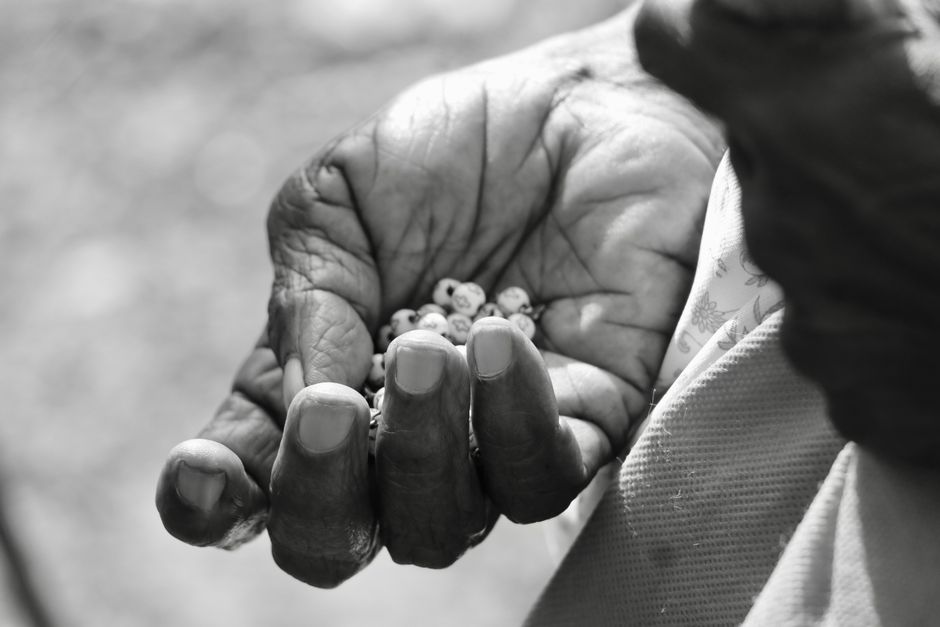
The most distinctive characteristic of jaboticaba is its cauliflorous fruiting pattern, where fruits emerge directly from the bark of the trunk and main branches. This natural spectacle can occur several times a year in optimal climates, with flowering and fruiting often following in rapid cycles. The fruits, round berries of a dark purple to almost black color when ripe, have a juicy, sweet, and slightly acidic pulp, with a flavor reminiscent of grapes and blueberries.
Harvesting is done when the fruits acquire their characteristic color and yield slightly to the touch. Since they ripen sequentially, it is common to perform multiple harvest passes. The fruits are perishable, so they should be consumed fresh or processed quickly. They are excellent for making jellies, jams, juices, wines, and liqueurs, offering a culinary versatility that is increasingly valued in gastronomy.
Recent research focuses on genetic improvement of varieties to increase disease resistance, tolerance to different climatic conditions, and, above all, earliness and production volume. These advances are crucial for the expansion of jaboticaba cultivation, not only as a garden fruit tree but also as a viable option for small-scale commercial production, contributing to the diversification of exotic fruit offerings in local and international markets. The connection between botanical research and sustainable cultivation practices underscores the potential of this tree to enrich both our gardens and our diets.
Fruiting Phenomenon and Harvest in Native Trees
Cultivating jaboticaba represents a unique opportunity to integrate an exotic and aesthetically fascinating fruit tree into the landscape of any garden or orchard. Its cauliflory phenomenon, along with its adaptability and the versatility of its fruits, makes it a valuable addition for those interested in biodiversity and sustainability. By applying appropriate cultivation techniques, from soil preparation to water and nutritional management, it is possible to enjoy the multiple harvests that this unique tree offers, enriching the gardener’s experience and the family table with its delicious fruits. Continuous research and innovative practices promise a bright future for jaboticaba, consolidating it as a key player in sustainable fruit production.
Related Articles
Synergistic Agriculture: Ecological Principles for Resilient Family Gardens
Optimizing family gardens with synergistic agriculture: crop association, mulching, and biodiversity to maximize soil health and yield.

Optimizing Fruit Trees in Compact Urban Spaces: Selection and Management
Assessing fruit cultivation viability on balconies and patios, detailing species selection, substrates, pruning, and efficient irrigation.

Rambutan Cultivation and Exotic Fruits: Agronomic Management and Sustainability
Details edaphoclimatic requirements, propagation, nutrition, phytosanitary control, and irrigation for rambutan and other tropical fruits in home orchards.

Designing Kitchen Gardens to Attract and Sustain Pollinators
Integrating native flora, shelters, water, and organic management for resilient, biodiverse kitchen gardens and sustainable production.