Atriplex lampa: Forage Resilience and Restoration in Arid Ecosystems
Zampa (Atriplex lampa) is a key shrub for its salinity and drought resistance, vital for forage and restoration in arid zones.

Physiological and Morphological Adaptations of Atriplex lampa to Salinity
The zampa (Atriplex lampa) stands out as a key species for sustainability in the arid and semi-arid ecosystems of the region. This native shrub, known for its remarkable resilience, offers a robust forage solution adapted to extreme conditions, paving the way for more climate-resilient production systems. Its ability to thrive in degraded and saline soils positions it as an essential component in ecological restoration strategies and livestock production in water-scarce contexts.
Atriplex lampa, belonging to the Amaranthaceae family, is a perennial shrub reaching up to 3 meters in height, characterized by its grayish-silver foliage, which gives it a distinctive appearance in arid landscapes. Its small, succulent leaves are covered with vesicular trichomes that store and excrete salts, a crucial mechanism for its salinity tolerance. This physiological trait allows it to regulate internal ion concentration, minimizing osmotic stress in soils with high salt content, common in vast areas of Patagonia and central Argentina.
The root architecture of zampa is another determining factor in its survival. It develops a deep and extensive root system, capable of exploring large soil volumes for moisture and nutrients, even during prolonged drought periods. This adaptation confers exceptional drought resistance to the plant, allowing it to maintain photosynthetic activity when other species succumb. Recent studies by the National Agricultural Technology Institute (INTA) have highlighted the water-use efficiency of Atriplex lampa, classifying it as a C4 species with high photosynthetic efficiency under water stress. This combination of morphological and physiological adaptations underscores its ecological and productive value in the revegetation of degraded areas and as a forage resource in climate-resilient silvopastoral systems. More information on INTA research can be found at https://inta.gob.ar/.
Propagation and Nursery Establishment Protocols
The propagation of Atriplex lampa can be achieved through both seeds and cuttings, although sexual propagation is usually the preferred method for large-scale operations. The seeds exhibit tegumentary and chemical dormancy, requiring pre-germination treatments to ensure uniform and successful emergence. An effective protocol involves immersing the seeds in room-temperature water for 24 to 48 hours, followed by gentle mechanical scarification or a gibberellic acid treatment to break dormancy.
Direct field sowing can be challenging due to weed competition and climatic variability. Therefore, nursery establishment presents a more controlled alternative with higher success rates. Seedlings are grown in individual trays or pots with a light, well-drained substrate composed of sand, peat, and perlite. Transplanting to the final site is recommended when seedlings reach a height of 15-20 cm, typically after 3 to 5 months in the nursery, coinciding with periods of lower water stress or the arrival of seasonal rains.
Propagation innovations include the use of deeper cell trays to promote root development and mist irrigation systems that optimize ambient humidity without waterlogging the substrate. Research by CONICET, in collaboration with universities such as the National University of La Pampa, is exploring in vitro micropropagation for mass production of selected genetic material, an emerging trend for shrub species of forage interest. Details on these investigations can be found at https://www.conicet.gov.ar/.
Agronomic Management for Sustainable Forage Production
The agronomic management of Atriplex lampa aims to enhance its growth and forage value. This shrub is extremely hardy and does not demand high-fertility soils, thriving even in saline and alkaline conditions. However, an initial application of organic matter or compost can promote seedling establishment. Supplementary irrigation is crucial during the first few months after transplanting, but once established, zampa is highly drought-tolerant and only requires sporadic watering during extreme dry spells, preferably using drip irrigation systems that optimize water use.
Pruning is an essential practice for maintaining forage productivity and quality. Formative pruning is recommended during the first few years to stimulate branching and the production of tender shoots. Subsequently, annual or biennial maintenance pruning, preferably in late winter, helps to rejuvenate the plant and control its size, facilitating livestock access.
Regarding its forage value, Atriplex lampa is an important source of protein and minerals for sheep and goats, especially during periods of pasture scarcity. Its dry matter, crude protein, and digestibility content are competitive with other forage species adapted to arid conditions. However, its high salt content can limit consumption if not supplemented with other sources of fresh water and lower-salinity forages. Integrating zampa into silvopastoral systems not only diversifies livestock diets but also contributes to soil stabilization, protection against wind erosion, and the creation of favorable microclimates for other species, aligning with the principles of regenerative agriculture. This practice is being boosted by programs promoting productive resilience in regions like Argentine Patagonia.
Phytoremediation and Carbon Sequestration Potential
Despite its multiple advantages, cultivating Atriplex lampa presents some challenges. The primary one is its slow initial growth rate, which requires adequate protection against early grazing and weed competition during the first few years. Palatability, influenced by its salt content, also needs to be managed through a balanced livestock diet. However, zampa is remarkably resistant to pests and diseases, reducing the need for phytosanitary interventions.
Future prospects for Atriplex lampa are promising, especially in the context of climate change and the growing demand for more sustainable agricultural systems. Its ability to phytoremediate saline soils and its role in carbon sequestration position it as a valuable tool in the fight against desertification. Ongoing research focuses on selecting ecotypes with lower salt content and higher palatability, as well as developing management techniques that optimize its productivity and integration into complex agroforestry systems. The use of soil moisture sensors and drones to monitor the growth and health of zampa plantations represents an emerging technological trend that could enhance its large-scale management, transforming forage resource management in arid zones.
Atriplex lampa represents more than just a forage shrub; it is a pillar of resilience and sustainability for arid regions. Its robustness, nutritional value, and adaptability make it an irreplaceable component for extensive livestock farming and the restoration of degraded ecosystems. By integrating zampa into our agricultural practices, we not only ensure livestock feed under adverse conditions but also actively contribute to soil health and the mitigation of environmental impact, forging a greener and more productive future for the region.
Related Articles

Meteorological vs. Agricultural Drought: Impact & Water Resilience
Distinguish meteorological from agricultural drought, analyze repercussions on crops and soils, and detail adaptation and water resilience strategies.

The Family Garden: A Living Laboratory for Learning and Sustainability
Learn how a home garden becomes an outdoor classroom, fostering scientific learning, nature connection, and sustainable habits.
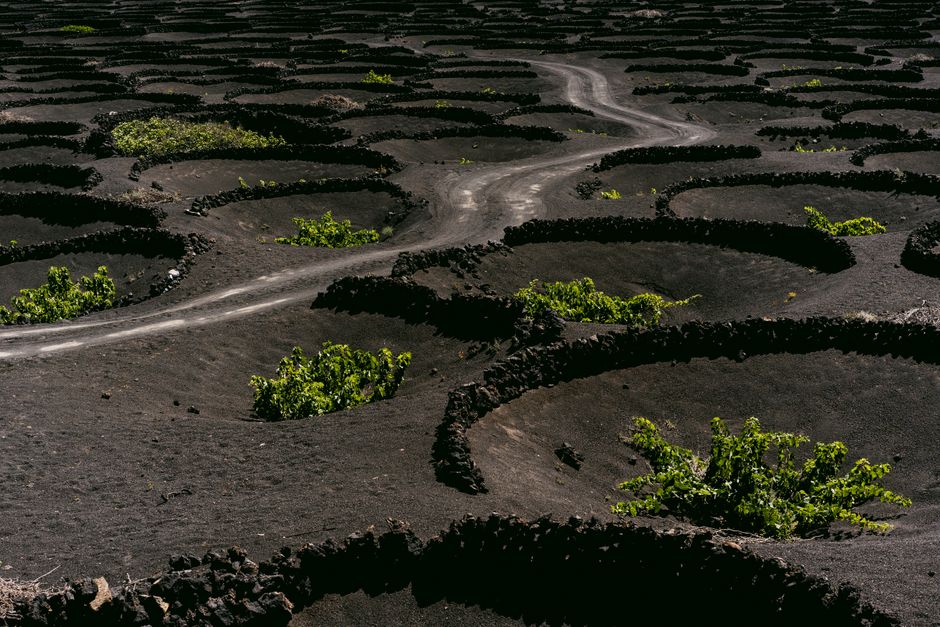
Agroecological Management on Ometepe's Volcanic Soils: Climate, Crops, and Sustainability
Adapting tropical and horticultural crops to Ometepe's volcanic soils, focusing on agroecology, water conservation, and biological control.

Companion Planting: Plant Synergy for a Productive and Resilient Garden
Learn how companion planting optimizes space, improves soil health, and naturally protects plants from pests.