Shade Nets: Mitigating Solar Stress and Enhancing Agricultural Productivity
Techniques for selecting and implementing shade nets to reduce light/thermal stress, optimize water use, and boost crop yields.

Plant Photophysiology Under Extreme Solar Radiation
The intensification of solar radiation and rising temperatures pose increasing challenges to agricultural production across various latitudes, including Argentina and other regions of Latin America. Crops exposed to extreme conditions experience physiological stress that compromises their development, yield, and quality. In this context, the implementation of shade nets emerges as a fundamental strategy to mitigate the adverse effects of the sun and ensure the viability of harvests.
Excess solar radiation, particularly ultraviolet (UV) and infrared (IR), directly affects plant physiological processes. Photoinhibition, a phenomenon where high light intensity damages the photosynthetic apparatus, reduces the efficiency with which plants convert light into energy. This translates into reduced growth and development. Furthermore, the thermal increase associated with intense solar radiation causes cellular dehydration, burns on leaves and fruits, and stomatal closure, limiting the absorption of carbon dioxide, which is essential for photosynthesis. Sensitive crops such as lettuce, tomatoes, peppers, and various leafy greens are particularly vulnerable to these conditions, exhibiting symptoms like wilting, yellowing, and a significant reduction in production. Recent studies by INTA (National Agricultural Technology Institute) have documented the growing need to adapt agricultural practices to changing climate patterns, where light and thermal stress are predominant factors. (Source: https://www.inta.gob.ar/documentos/manejo-de-mallas-antisolar)
Characterization and Application of Shading Fabrics
Shade nets are differentiated by their material, weave type, and, crucially, by their shading percentage, which indicates the amount of sunlight they block. Monofilament nets, made from individual threads, offer high resistance and uniformity, while raschel nets, with a denser weave, are typically more economical. The appropriate selection of the shading percentage is vital and depends on the crop type and local solar intensity. For example, leafy greens may require 50-70% shading, while crops like tomatoes or peppers might benefit from 30-40% to avoid sunburn without compromising photosynthesis. Innovations in this field include nets with UV additives for increased durability and nets with selective colors (red, blue, or gray), which manipulate the light spectrum reaching the plant, influencing its morphology and development. These specific colored nets are being researched in universities, demonstrating positive effects on flower induction or increased fruit size in certain species. (Source: https://revistas.uba.ar/index.php/agrociencia/article/view/3040)
The effectiveness of shade nets lies not only in the material but also in the design and implementation of support structures. Optimal orientation, generally east-to-west, allows for a more uniform distribution of shade throughout the day. Structure height is another critical factor; it must be sufficient to allow adequate ventilation and prevent heat buildup under the net, which could negate its benefits. For small urban gardens or patios, modular, easy-to-assemble structures can be used, employing treated wooden posts, metal pipes, or tension cable systems. It is essential to ensure firm anchoring to withstand strong winds, common in certain areas of the Humid Pampa or Patagonia. The current trend in urban agriculture promotes adaptable and aesthetic solutions, integrating shading into permaculture designs or vertical gardens, as seen in initiatives promoted by the government of Buenos Aires City for community gardens. (Source: https://www.buenosaires.gob.ar/ambiente/huertas-urbanas/tecnicas)
Structural Design for Thermal Dissipation and Ventilation
The adoption of shade nets offers multiple benefits that go beyond direct solar protection. The reduction in water stress is significant, as the decrease in radiation and ambient temperature under the net reduces plant evapotranspiration and soil evaporation, optimizing water use—an increasingly valuable resource. This aligns with the principles of sustainable and regenerative agriculture. Fruit quality improves notably, presenting more uniform color, larger size, and absence of sunburn, which increases their commercial value. Furthermore, an increase in productivity per unit area and an extension of the growing season are observed, allowing for earlier or later harvests. The nets also act as a physical barrier against certain pests and flying insects, reducing the need for pesticides. Case studies in the Cuyo region of Argentina have shown that implementing shade can increase yields of certain horticultural crops by 20-30%, while decreasing water consumption by 15-25%. These results underscore the strategic role of shade nets as a tool for climate resilience and resource efficiency.
The integration of shade nets into agricultural production systems represents an intelligent and necessary adaptation to current climate challenges. From the physiological protection of crops to the improvement of water efficiency and increased yields, their benefits are multifaceted. By selecting the appropriate type of net and designing efficient structures, producers can ensure the sustainability and productivity of their gardens, contributing to more robust and resilient agriculture in the context of a changing climate. Investing in these technologies not only protects harvests but also promotes more responsible and efficient agricultural practices.
Related Articles
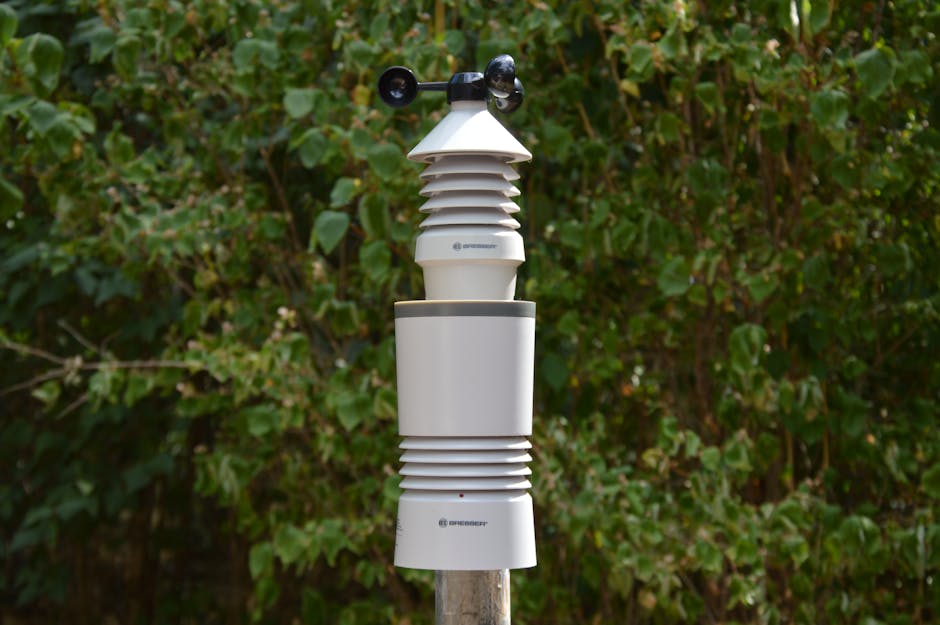
Personal Weather Stations: Key Tools for Precision Gardening
Optimizing water and plant protection resources with accurate local climate data for efficient and sustainable horticulture.
Deep Water Culture: Nutrient and Oxygen Optimization for Urban Horticulture
Urban DWC system: roots in oxygenated nutrient solution for rapid growth, reduced water use, and increased horticultural yields.
Urban Home Horticulture: Nutritional, Ecological, and Technological Benefits
Understand the impact of home gardens on nutrition, biodiversity, and the economy, integrating urban techniques and automation.
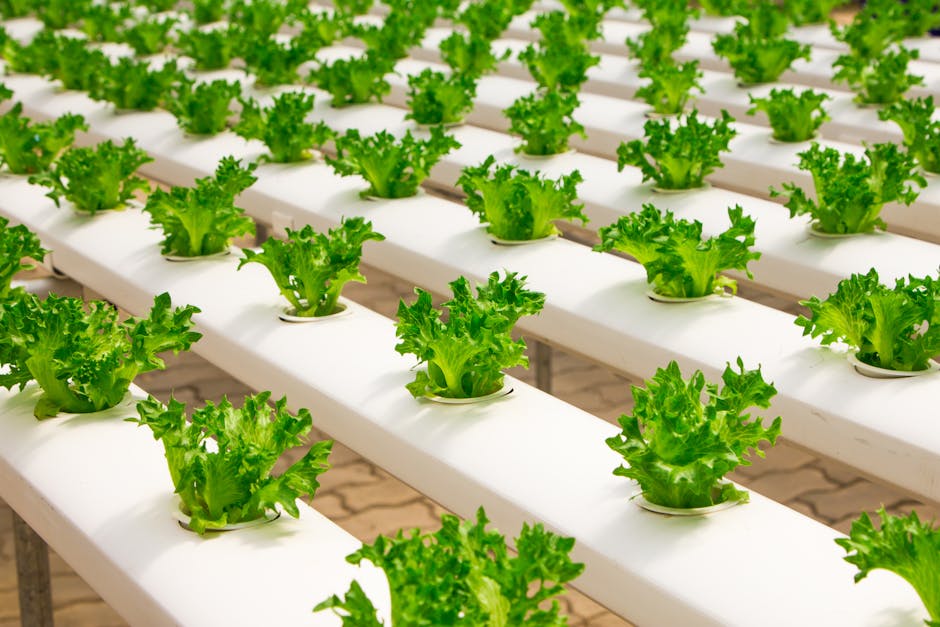
Continuous Lettuce Cultivation: Genetic Selection and Seasonal Environmental Optimization
Staggered planting techniques, substrates, and climate control for consistent year-round lettuce production.