Tetranychus urticae Indoor Crop Management: Prevention & Bio-Control
IPM strategies for spider mites indoors: detection, quarantine, environmental, biological, mechanical control, and rotated biopesticides.
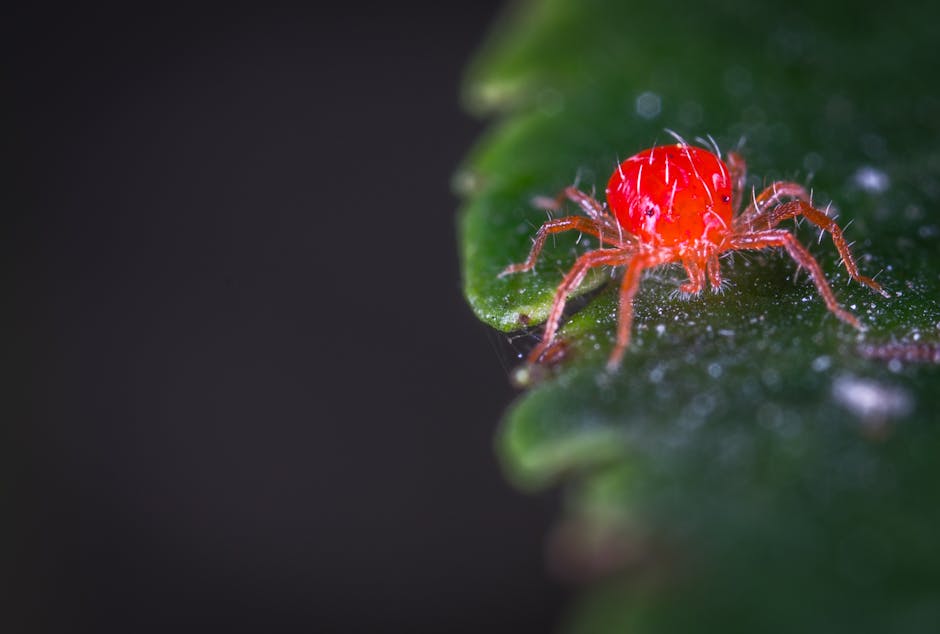
Identification and Life Cycle of Tetranychus urticae
The presence of the red spider mite, Tetranychus urticae, represents a persistent challenge for horticulturists and gardeners cultivating in indoor environments. This tiny arachnid can quickly devastate a plantation if not addressed with a comprehensive strategy. Instead of relying solely on chemical solutions, Integrated Pest Management (IPM) offers a sustainable and effective approach, combining various tactics to keep populations of this pest at bay without compromising crop health or the environment. This method prioritizes prevention and early intervention, ensuring long-term plant vitality.
The red spider mite, commonly known as the two-spotted spider mite, is a phytophagous arachnid measuring barely 0.5 mm, visible to the naked eye as small reddish or greenish dots on the underside of leaves. Its life cycle is accelerated, especially in warm and dry conditions (25-30 °C and low relative humidity), completing in as little as a week. Females can lay hundreds of tiny eggs on the lower leaf surface, which hatch into nymphs that go through several stages before reaching maturity. Damage manifests as chlorotic stippling (small yellowish spots) on the upper leaf surface, resulting from sap-sucking. As the infestation progresses, leaves may turn bronzed, dry out, and fall off, and a fine webbing covering the plant, a distinctive characteristic of this pest, becomes visible.
The key to successful management lies in constant vigilance and the implementation of preventive measures. Regular inspection of the underside of leaves, using a gardening magnifying glass, allows for the identification of early mite colonies before the population explodes. A practical method involves gently shaking a leaf over white paper; moving dots reveal the pest’s presence.
Surveillance Protocols and Cultural Preventive Measures
Cultural practices play a fundamental role in prevention:
- Quarantine new plants: Before introducing new plants to the indoor grow space, keep them isolated for at least two weeks, inspecting them daily for any signs of pests.
- Rigorous sanitation: Regularly remove fallen leaves and plant debris from the cultivation area. Disinfect tools and surfaces between uses.
- Environmental control: Spider mites thrive in dry environments. Maintaining relative humidity above 60% and good ventilation hinders their development. Oscillating fans improve air circulation and reduce heat and humidity stratification.
- Adequate watering: Avoid water stress in plants, as stressed plants are more susceptible to pests.
Once the presence of red spider mites is detected, IPM suggests a combination of control methods to reduce the population effectively and sustainably.
- Biological Control: The introduction of predatory mites is one of the most effective strategies. Phytoseiulus persimilis is a voracious predator that feeds exclusively on spider mites, proving highly effective in moderate to high infestations. Another useful predator is Amblyseius californicus, which is more tolerant to temperature and humidity fluctuations, making it suitable for lower pest levels or as a preventive measure. These organisms are commercially available in Argentina and other countries in the region, and their use represents a growing trend in sustainable agriculture.
- Mechanical Control: In incipient infestations, manual removal of affected leaves and washing plants with high-pressure water jets (especially on the underside) can significantly reduce populations.
- Biopesticides:
- Neem Oil: A natural compound with antifeedant, repellent, and growth-inhibiting properties for mites. It is applied foliarly and is safe for most beneficial organisms once dry.
- Potassium Soap: Acts on contact, dissolving the protective layer of mites. It is effective against nymphs and adults and leaves no toxic residues.
- Plant Extracts: Recent research explores the potential of plant extracts like garlic or chili, although their efficacy may vary.
Implementation of Biological Control Agents and Biopesticides
The rotation of these biopesticides is crucial to prevent the development of resistance in mite populations.
Environmental management is a central pillar in the long-term control of Tetranychus urticae. Maintaining optimal conditions for the crop not only helps the plant grow vigorously but also creates an environment less conducive to the pest. Installing humidifiers may be necessary in dry climates or during winter when heating reduces humidity. Smart environmental monitoring systems that control temperature, humidity, and ventilation represent an innovation that allows horticulturists to maintain an optimal balance automatically, reducing plant stress and pest proliferation.
Pest resistance to a single control method is a growing problem. Therefore, the strategy of rotating products and methods is indispensable. Alternating between different modes of action (e.g., biological control, followed by potassium soap, and then neem oil) prevents mites from developing immunity. This holistic approach, integrating prevention, monitoring, biological control, and intervention with biopesticides, ensures crop sustainability and long-term plant health.
Environmental Optimization and Rotation of Management Strategies
Integrated management of red spider mites in indoor crops is not a one-size-fits-all solution but a continuous commitment to observation and adaptation. By implementing these combined strategies, horticulturists can effectively protect their plants, fostering a healthy and productive growing ecosystem. Adopting a proactive approach and integrating the latest innovations in biological control and environmental monitoring are fundamental steps toward more resilient and successful indoor gardening.
Related Articles

Educational Family Garden: Sustainable Learning Ecosystem and Ecological Practices
Integrate sustainable design, composting, efficient irrigation, and biological control to create a living knowledge laboratory.

Carpenter Bee (Xylocopa) Pollination Mechanisms and Conservation
Analyzes Xylocopa morphology, buzz pollination, and ecological role, detailing threats and conservation strategies for their preservation.

Integrated Management of Rose Rust (*Phragmidium mucronatum*) in Urban Settings
Identification, etiology, and preventive/biological/chemical control strategies for rose rust, focusing on integrated management.

Rocha Coastal Gardening: Soil, Species, and Environment
Strategies for cultivating sandy and saline soils in Rocha: substrate improvement, resilient plants, efficient irrigation, and wind protection.