Adaptive Gardening Practices for the Heavy Soils of the Depressed Pampas
Managing clay soils, selecting resilient species, and irrigation/nutrition techniques for sustainable gardens in the Depressed Pampas.

Edaphoclimatic Characteristics and Adaptation
Gardening in the Depressed Pampas of Buenos Aires presents unique challenges but also offers an exceptional opportunity to develop resilient and sustainable cultivation practices. This region, characterized by its heavy soils, poor drainage, and a variable water regime with alternating floods and droughts, demands an adaptive approach and a deep understanding of its environmental particularities. The implementation of innovative techniques and the strategic selection of plant species are fundamental to establishing productive gardens and orchards that thrive in this environment. Addressing these conditions with knowledge allows us to transform limitations into advantages, fostering robust local ecosystems and contributing to regional biodiversity.
The soil of the Depressed Pampas is distinguished by its high proportion of clays, which impart a heavy texture and low permeability. This composition hinders root aeration and predisposes the area to waterlogging, especially during periods of intense rainfall or when the shallow water table rises. Drainage management therefore constitutes the central axis of any gardening project in this zone. The construction of raised beds or elevated garden plots emerges as an effective solution, significantly improving drainage and allowing for the creation of an optimized substrate with organic amendments. These systems elevate the cultivation area above the natural soil level, minimizing the impact of water saturation. The addition of coarse sand, mature compost, and perlite improves soil structure, increasing its porosity and nutrient retention capacity without compromising drainage. It is observed that the incorporation of large volumes of organic matter, such as worm castings or peat, promotes the formation of aggregates, facilitating the movement of water and air in the soil profile.
Selection of Resilient and Native Species
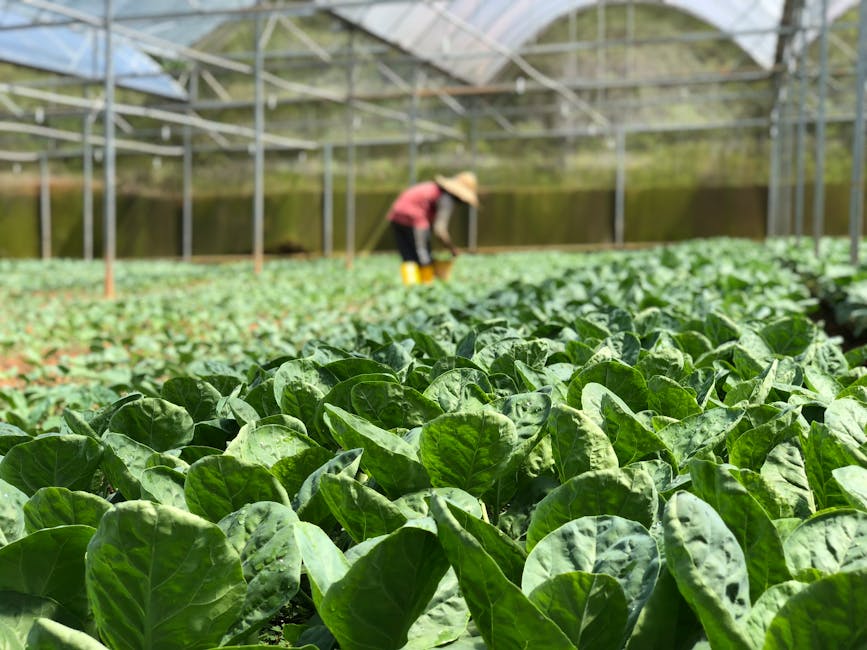
The choice of suitable plants for the Depressed Pampas is a determining factor for the success of the garden or orchard. Prioritizing species with high tolerance to soil moisture and, in some cases, salinity, minimizes problems associated with local conditions. Cultivating native plants from the region not only ensures greater adaptability but also favors local biodiversity, attracting pollinators and beneficial fauna. Examples of vegetables that thrive include Swiss chard, spinach, lettuce, green onions, and broccoli, which adapt well to soils with some moisture retention. For ornamental plants and shrubs, species such as cortaderia (Cortaderia selloana), the ceibo (Erythrina crista-galli), or the white sarandi (Phyllanthus sellowianus) exhibit excellent responses to the Pampas conditions. Integrating legumes such as white clover or vetch (Vicia villosa) into crop rotation improves soil nitrogen fixation, contributing to its fertility naturally. For detailed information on native plants, consult the INTA catalog.
The optimization of water use and plant nutrition represents a cornerstone of sustainable gardening in the Depressed Pampas. The implementation of drip or seep irrigation systems reduces water consumption by up to 50% compared to traditional methods, directing water directly to the root zone and minimizing evaporation. These systems can be complemented by soil moisture sensors, which allow for precise and automated irrigation monitoring, preventing both water deficit and excess. Organic mulching with materials such as straw, wood chips, or pruning waste is an essential practice that conserves soil moisture, moderates temperature, suppresses weed growth, and adds organic matter as it decomposes. This technique is fundamental for maintaining soil resilience during dry periods. Fertilization is oriented towards the use of organic fertilizers, such as compost and worm castings, which not only nourish plants but also improve soil structure and biological activity. The application of biofertilizers and the promotion of mycorrhization are recent advancements that enhance nutrient uptake and plant resistance to diseases. Discover more about efficient irrigation techniques at Infojardín.
Innovative Techniques for Water and Nutritional Management
Integrated Pest Management (IPM) in the Depressed Pampas prioritizes biological and cultural methods over chemical ones, fostering natural balance within the garden ecosystem. The introduction of beneficial insects, such as ladybugs (Coccinellidae) for aphid control or lacewings (Chrysopidae) for various pests, is an effective strategy. Planting companion plants that act as natural repellents (marigold, basil) or attractors of pollinators and predatory insects (dill, cilantro) contributes to a healthier and more resilient environment. Crop rotation prevents the accumulation of soil-specific pathogens and reduces disease incidence. Constant observation and early intervention with organic solutions, such as neem extracts or potassium soap, are key to keeping pests at bay without harming the environment. Advances in the development of biopesticides based on entomopathogenic fungi or bacteria offer highly specific and ecological control alternatives. For guides on biological control, visit La Huertina de Toni.
Gardening in the Depressed Pampas of Buenos Aires, far from being an impediment, is an invitation to innovation and sustainability. By understanding its edaphoclimatic particularities and applying adapted and advanced techniques, it is possible to create productive and aesthetically pleasing green spaces. The integration of native species, efficient water and nutrient management, and biological pest control are pillars for an approach that respects the local environment. This commitment to nature not only enriches the landscape but also contributes to the ecological resilience of the region, demonstrating that harmony between cultivation and the environment is fully achievable.
Related Articles

Recreating Babylonian Gardens: Contemporary Design, Hydrology, and Botany
Adapting Babylonian architectural and water management principles for modern gardens, focusing on terraces, efficient irrigation, and plant selection.
Lasagna Gardening Technique for Resilient and Biodiverse Horticultural Soils
Create fertile, resilient soils by layering organic matter, mimicking natural processes and fostering soil microbiota.

Ground Cover: Soil, Biodiversity, Regenerative Landscaping
Selecting and managing ground covers to mitigate erosion, improve soil fertility and structure, and enhance ecosystem biodiversity.

Central American Medicinal Plants: Phytochemistry, Cultivation, Conservation
Explore the botanical and phytochemical richness of Central American medicinal plants, detailing sustainable cultivation and conservation strategies.