Riviera Maya: Calcareous Soil & Tropical Plant Adaptations
Tropical gardening techniques: managing calcareous soils, optimizing water and nutrients, selecting resilient species for the Riviera Maya.
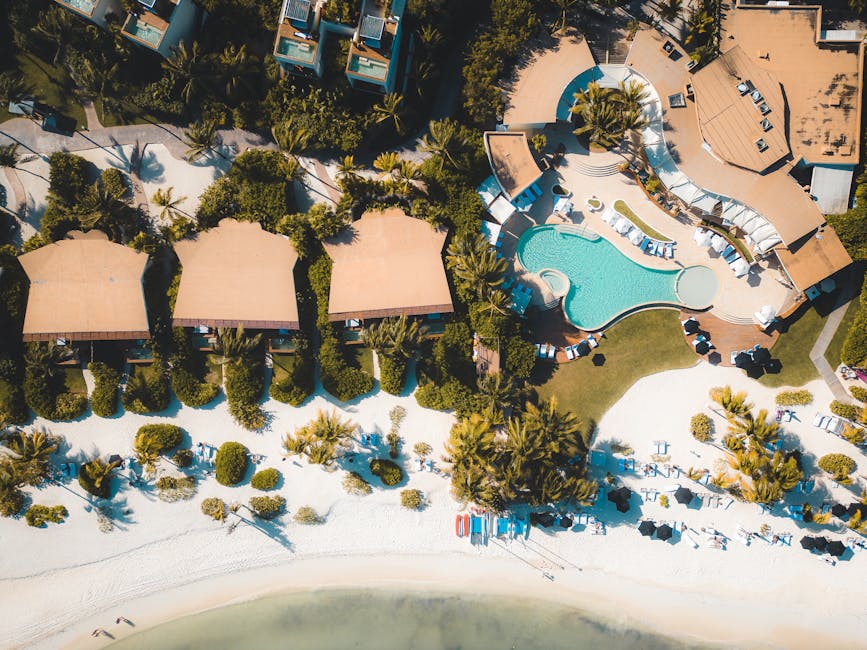
Edaphic Analysis and Native Species Adaptation
The Riviera Maya, with its lush vegetation and tropical climate, offers a unique setting for gardening. However, this paradise also presents specific challenges that horticulturists must understand to cultivate successfully. The combination of high humidity, intense sun, and calcareous soils demands an adapted and strategic approach. Addressing these peculiarities is fundamental to transforming any space into a productive and resilient oasis. This article explores the essential techniques and innovations that allow gardening to thrive in this vibrant region.
The environment of the Riviera Maya is characterized by predominantly calcareous soils, derived from limestone bedrock, resulting in an alkaline pH. This condition affects nutrient availability for plants, as certain essential elements, such as iron and manganese, become less accessible. Furthermore, the tropical climate involves high temperatures, elevated ambient humidity, and abundant rainfall, but often concentrated in specific seasons.
To counteract soil alkalinity, incorporating organic matter is a primary strategy. Mature compost, peat, or decomposed plant debris not only improve soil structure, facilitating drainage and aeration, but also help to slightly acidify the pH, creating a more favorable environment for nutrient absorption. The construction of raised beds (planters) is an effective solution, allowing gardeners to control substrate composition and enhance drainage, a crucial aspect for preventing root rot in high-humidity conditions.
Efficient Water Management and Chelated Micronutrient Supply
Selecting adapted plant species is another fundamental pillar. Opting for native plants or those that tolerate alkaline soils and warm climates well significantly reduces intervention needs. Examples include Chelem (Manilkara zapota), Chacá (Bursera simaruba), and various local palms, which not only beautify the landscape but also require fewer water and nutritional resources once established. Understanding the microclimate of each garden, considering sun exposure and air circulation, is equally vital for the proper placement of each plant.
Water management in the Riviera Maya demands efficiency. Despite seasonal rains, dry periods can be intense, and responsible water use is a priority. Drip irrigation systems represent an efficient technology for delivering water directly to the plant’s root zone, minimizing evaporation and waste. These systems are particularly advantageous in hot climates, where spray irrigation leads to considerable water loss. The implementation of soil moisture sensors, a recent innovation, allows for automated irrigation based on plants’ actual needs, optimizing water consumption and preventing both under- and over-watering.
Organic mulching, using materials such as dry leaves, straw, or wood chips, is an essential practice. This technique not only helps conserve soil moisture, reducing irrigation frequency, but also moderates substrate temperature, suppresses weed growth, and adds organic matter as it decomposes, enriching the soil long-term.
Raised Bed Design and Substrate Structural Improvement
Regarding nutrition, calcareous soils often exhibit deficiencies in micronutrients like iron, manganese, and zinc, even if present in the soil, due to their insolubility at high pH. The use of chelated organic fertilizers or foliar application of micronutrients can correct these deficiencies. Liquid compost or “compost tea” is an excellent source of nutrients and beneficial microorganisms, improving soil health and plant vigor. Regular incorporation of green manures and crop rotation also contribute to maintaining soil fertility sustainably.
The choice of suitable plant species is crucial for the success and sustainability of gardening in the Riviera Maya. Prioritizing native plants or species well-adapted to the tropical climate and calcareous soils not only facilitates their maintenance but also supports local biodiversity and reduces the need for external inputs. Examples of edible plants that thrive in the region include chili varieties, cassava (Manihot esculenta), taro (Colocasia esculenta), and tropical squashes. For leafy greens, Swiss chard and tropical spinaches (like Malabar spinach) are more heat-tolerant than their temperate counterparts.
Integrated Pest Management (IPM) is an ecological approach to controlling harmful organisms, minimizing environmental impact. This involves regular plant observation, accurate identification of pests and diseases, and the implementation of biological control methods, such as introducing beneficial insects (lacewings, ladybugs) that prey on common pests. The use of botanical extracts and physical traps also forms part of these strategies, reserving chemical treatments as a last resort and always opting for organic formulations.
Integrated Pest Management and Foliar Applications
Permaculture, a system of sustainable agricultural design, offers a valuable framework for gardening in the Riviera Maya. Its principles, such as observing natural patterns, minimizing waste, and creating productive ecosystems, align perfectly with the region’s challenges and opportunities. Integrating fruit trees, vegetables, aromatic herbs, and ornamental plants in polycultures enhances system resilience, optimizes space utilization, and promotes a natural balance that reduces the incidence of pests and diseases. The creation of “food forests” is a growing trend that maximizes long-term food production with relatively low maintenance.
Gardening in the Riviera Maya, while presenting its unique challenges, is a deeply rewarding activity when its peculiarities are addressed with knowledge and strategy. Adaptation to calcareous soils and tropical climate, efficient water and nutrient management, and careful species selection are pillars for establishing productive and sustainable gardens and orchards. By integrating practices like composting, drip irrigation, and permaculture principles, horticulturists not only cultivate food and beauty but also contribute to the ecological resilience of this beautiful region. Embracing technological innovations and a commitment to local biodiversity are keys to a green future in the Mexican Caribbean.
Related Articles

Trellised Kiwi: Variety, Structure & Management Optimization
Analysis of trellised kiwi cultivation: varieties, support structures, pruning, plant health, and harvesting for efficient and sustainable production.
Urban Native Flora: Biodiversity, Resilience, and Sustainable Landscaping
Implement native plants in urban gardens to boost local biodiversity, reduce water consumption, and create resilient ecosystems.

Horticulture in the Copper Canyon: Adaptation, Resilience, and Sustainability
Farming strategies in the Copper Canyon: species selection, water and soil management, and integration of ancestral and modern knowledge.
Permaculture Design: Zoning, Soil Regeneration, and Horticultural Biodiversity
Applying permaculture design in gardens: zoning, composting, mulching, polycultures, and water management for resilient systems.