Personal Weather Stations: Key Tools for Precision Gardening
Optimizing water and plant protection resources with accurate local climate data for efficient and sustainable horticulture.
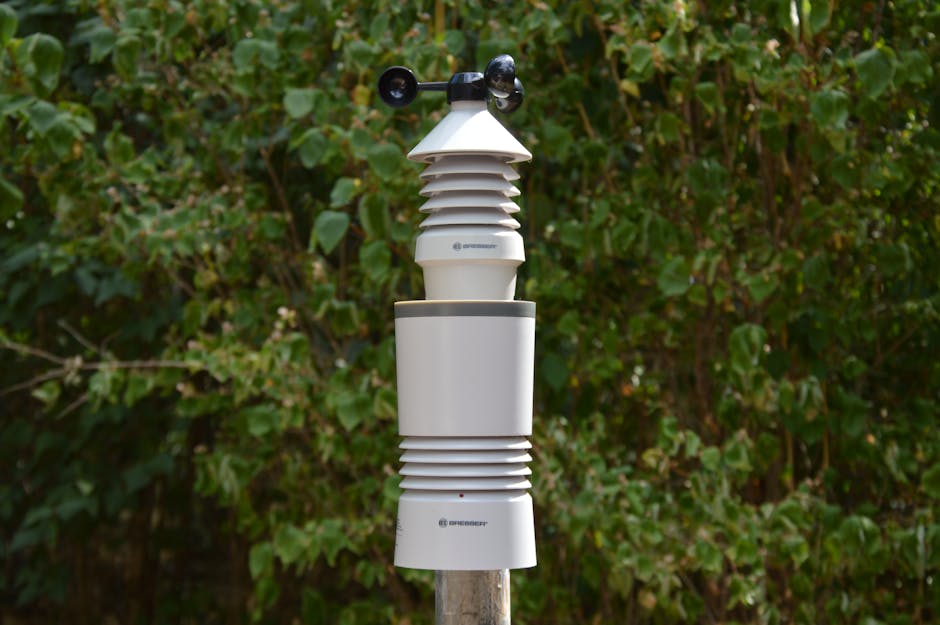
Components and Functionality of Personal Weather Stations
Contemporary gardening demands a deep understanding of environmental conditions to optimize plant growth and health. Given climate variability and the need for efficient resource management, horticulturists seek tools that enable informed decision-making. Personal weather stations are emerging as fundamental allies in this context, offering precise, localized data that transforms gardening practices into an applied and highly effective science. This approach, known as precision gardening, minimizes waste and maximizes yield by adapting to the specific characteristics of each microclimate.
Components and Functionality of Personal Weather Stations
A personal weather station is a set of sensors designed to measure various atmospheric parameters at a specific location. These devices collect crucial information that, when analyzed, allows for superior agronomic management. Typical components include:
- Thermometers: Record air temperature, essential for determining optimal crop growth ranges and anticipating frost or heatwaves.
- Hygrometers: Measure relative air humidity, a key factor in plant evapotranspiration and the proliferation of certain fungal diseases.
- Anemometers and wind vanes: Indicate wind speed and direction, vital information for pollen dispersal, the application of plant protection products, and the physical protection of delicate crops.
- Rain gauges: Quantify precipitation, fundamental for adjusting irrigation schedules and assessing natural water availability in the soil.
- Barometric pressure sensors: Contribute to short-term weather change predictions, such as the arrival of storm fronts.
- Pyranometers (solar radiation sensors): Measure solar light intensity, a determining factor in photosynthesis and plant development.
The continuous collection of this data allows gardeners to build a detailed climatic history of their plot, identifying patterns and anomalies that are invisible to the naked eye.
Resource Optimization Through Climate Data
The application of local meteorological data in precision gardening yields tangible benefits in the efficiency and sustainability of the garden.
- Efficient Irrigation: Monitoring precipitation, air humidity, and soil temperature (if a soil sensor is integrated) enables the calculation of actual plant evapotranspiration. This allows for watering only when necessary and with the precise amount, preventing the waste of water, an increasingly valuable resource. For example, smart irrigation systems can be integrated to activate or deactivate based on the station’s data.
- Crop Protection: Anticipating frost, heatwaves, or strong winds is crucial. With personalized alerts, horticulturists can implement preventive measures such as using thermal blankets, shade cloths, or windbreaks, thereby protecting production and minimizing losses.
- Integrated Pest and Disease Management: Many pests and pathogens have specific climatic conditions for their development. A prolonged increase in humidity and temperature may indicate a high risk of fungal diseases, while certain temperatures are optimal for insect egg hatching. Analyzing these patterns allows for timely and targeted preventive or curative treatments, reducing the need for widespread chemical interventions.
- Strategic Agricultural Planning: Historical and real-time data inform optimal times for planting, fertilization, and harvesting. Knowing the accumulated growing degree days, for example, helps predict the phenological development of crops, from flowering to fruit maturation, improving the scheduling of agricultural tasks.
Technological Advancements and Integration in Modern Horticulture
Personal weather station technology has evolved significantly, offering connectivity and analysis capabilities previously unimaginable. Current models often include:
- Wireless Connectivity: Wi-Fi and Bluetooth enable data transmission to smartphones, tablets, and computers, facilitating access to information from anywhere.
- Visualization and Analysis Platforms: Dedicated applications and cloud platforms transform raw data into charts, graphs, and personalized alerts, simplifying interpretation and decision-making. Examples include stations that integrate with services like Weather Underground or proprietary manufacturer platforms.
- Customizable Alert Systems: Users can set thresholds to receive notifications about extreme temperatures, frost risk, high humidity, or strong winds, allowing for a proactive response.
- IoT (Internet of Things) Integration: The trend is towards interconnection with other smart garden devices, such as automated irrigation systems, greenhouse fans, or lighting controllers. This creates a smart gardening ecosystem where actions are automatically synchronized with environmental conditions.
These advancements align with the growing demand for more sustainable agriculture that is resilient to climate change. The ability to monitor and react to environmental conditions in real-time is a powerful tool for small-scale producers and urban gardeners seeking to maximize efficiency and reduce environmental impact. Permaculture and regenerative agriculture, which prioritize observation and adaptation to local ecosystems, find these technologies to be a valuable complement. For a deeper insight into water management in urban gardens, one can consult the work of institutions like INTA Argentina [https://inta.gob.ar/documentos/el-manejo-del-agua-en-la-huerta-organica].
Implementation and Selection Considerations
Choosing and installing a personal weather station requires considering several factors to ensure data accuracy and utility.
- Accuracy and Calibration: It is crucial to select models with high-precision sensors and verify if they offer periodic calibration options. Data quality is directly proportional to the station’s usefulness.
- Sensor Range: Evaluate which parameters are most relevant for the specific crop type and microclimate. Some gardeners may prioritize soil moisture, while others need precise solar radiation measurements.
- Connectivity and Software: Ease of data access and the quality of the user interface are decisive. Opting for systems with intuitive applications and data export options can significantly enhance the user experience.
- Durability and Maintenance: Stations must be robust and resistant to inclement weather. Consider ease of maintenance and the availability of spare parts.
- Strategic Location: To obtain representative readings, the station must be installed in an open area, away from buildings, tall trees, or other structures that could distort wind, sun, or precipitation measurements. An appropriate height for temperature and humidity sensors is fundamental, generally between 1.2 and 2 meters above the ground.
Interpreting the data not only involves reading numbers but understanding their implication in the plant life cycle. Combining this information with agronomic knowledge and direct garden observation allows for truly precise and adaptive management.
The integration of personal weather stations in gardening represents a step forward towards more conscious and efficient practices. These tools empower horticulturists, from hobbyists to small producers, with the ability to understand and respond to their environment with unprecedented precision. By adopting precision gardening, we not only foster plant health and productivity but also contribute to more sustainable management of natural resources, an imperative in the current context of environmental challenges. Investing in these technologies is an investment in the future of a resilient and prosperous garden. For more information on sustainable gardening techniques, platforms like InfoJardín offer valuable resources [https://www.infojardin.com/].
Related Articles

Zinnia Growing: Substrate, Water, Nutrients & Health
Zinnia cultivation practices: living substrates, efficient irrigation, balanced nutrition, and integrated pest and disease management for optimal flowering.

Urban Vertical Gardening: Efficient Cultivation in Limited Spaces
Learn how vertical gardening optimizes small urban spaces, providing fresh food and environmental benefits.

Quinoa in Argentina: Adaptation, Cultivation, and Productive Potential
Exploring quinoa cultivation in Argentina: its agroecological adaptation, agronomic practices, and socioeconomic potential.

Domestic Greenhouse Construction: Environmental Control and Plant Cultivation Principles
Understand the fundamental principles and practical steps for constructing a functional homemade greenhouse, optimizing microclimates for diverse plant growth.