La Araucanía Crop Adaptation: Climate, Soils, Management
Gardening and horticulture strategies in La Araucanía, addressing humid climate, acidic volcanic soils, and plant selection for resilience.
Regional Climate and Microclimate Characterization
The La Araucanía region in southern Chile presents a unique ecosystem that shapes gardening and horticulture practices. Characterized by a humid temperate climate with abundant rainfall, dry summers, and the influence of volcanic soils, crop adaptation is fundamental. Understanding these peculiarities allows for the implementation of resilient and productive cultivation strategies focused on local sustainability and biodiversity.
The climate regime of La Araucanía imposes specific challenges and opportunities for vegetation. Annual precipitation, concentrated mainly in the winter months, requires efficient drainage management to prevent root anoxia in many species. The presence of late spring and early autumn frosts necessitates the selection of resistant varieties or the application of passive protection techniques. The incidence of prevailing westerly winds, especially in exposed areas, can cause mechanical stress and dehydration in plants, making the planning of natural or artificial windbreaks indispensable.
Seasonal thermal variability, with summer highs and sub-zero winter lows, dictates planting and harvesting cycles. Recent studies on local microclimates, influenced by topography and proximity to water bodies, provide a basis for precise crop zoning, optimizing species selection according to their thermal and light tolerance. The implementation of technologies such as temperature and humidity sensors, alongside climate monitoring systems, facilitates informed decision-making for protecting crops against extreme events.
Soil Properties and Andisol Correction
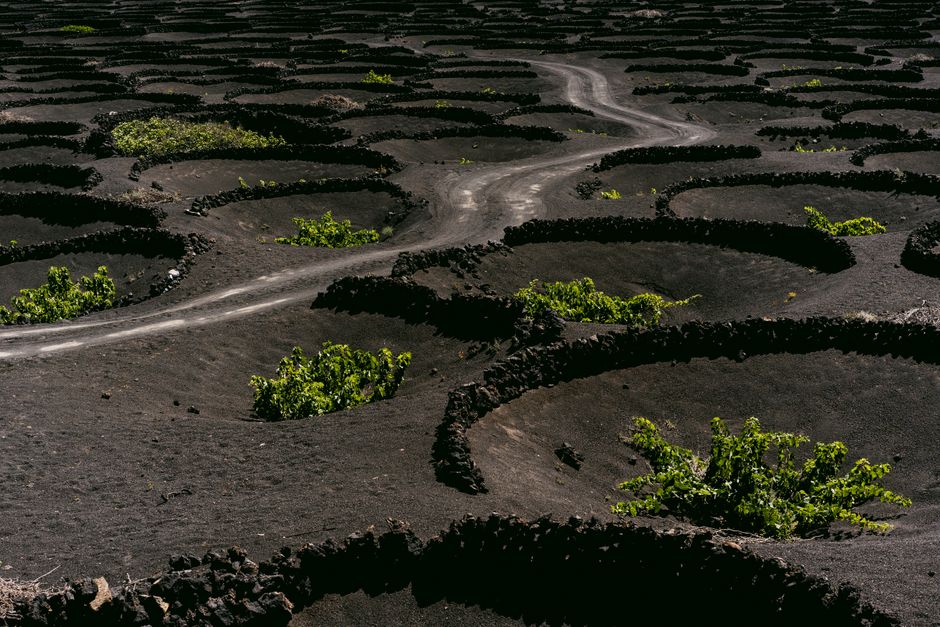
Soils in La Araucanía, predominantly of volcanic origin (Andisols), possess distinctive characteristics: high porosity, good water retention capacity, and a sandy loam or silty loam texture. However, they are often naturally acidic with low levels of organic matter, which can limit the availability of certain essential nutrients like phosphorus. Proper management of these soils is crucial for plant development.
Correcting acidity through the application of calcareous amendments (agricultural lime) or stabilized volcanic ash is common practice, adjusting the pH to optimal ranges for most crops. The constant incorporation of organic matter, through compost, worm castings, or cover crops, improves soil structure, increases cation exchange capacity, and enhances microbial activity. This not only aids nutrient availability but also contributes to soil resilience against erosion and compaction. Innovations in biofertilizers and the use of beneficial microorganisms are showing promising results in improving the fertility of these soils, reducing reliance on synthetic inputs and promoting regenerative agriculture. For more information on soil management, consult specialized resources such as those from Infojardín, which offer detailed guides for different substrate types https://www.infojardin.com/.
The choice of suitable species is a cornerstone of successful gardening in La Araucanía. Native plants of the region, such as Fuchsia magellanica (chilco), Lapageria rosea (copihue), or Nothofagus obliqua (roble), are naturally adapted to local climatic and edaphic conditions, requiring fewer inputs and less maintenance. Their incorporation promotes biodiversity and provides shelter and food for local fauna.
Adaptation of Native Species and Exotic Crops
For vegetables and fruits, it is recommended to select varieties that tolerate low temperatures and humidity, or those with shorter growth cycles that fit within the frost-free period. Examples include native potatoes, blueberries, raspberries, strawberries, and leafy greens like Swiss chard or spinach. For fruit trees, species such as apples, pears, and cherries, with varieties suitable for cold climates, thrive with proper management. Research into new crop varieties resistant to diseases and adapted to climate change is a growing trend, offering more robust options for regional horticulturists.
Fertilization in La Araucanía’s acidic soils must focus on balancing pH and supplying nutrients that may be less available. In addition to agricultural lime, the use of organic fertilizers like compost and well-rotted manure is fundamental. These not only nourish plants but also improve soil structure and its nutrient-holding capacity. The application of green manures, by cultivating nitrogen-fixing legumes, is an ecological technique that enriches the soil naturally.
Periodic soil analyses are crucial for determining specific deficiencies and adjusting the fertilization plan. Fertilizers rich in phosphorus and potassium, which are often limiting in acidic soils, can be applied in forms more accessible to plants. Incorporating rock phosphate or wood ash can be beneficial. Furthermore, the use of mycorrhizae, symbiotic fungi that enhance nutrient uptake by roots, is an innovative practice that boosts plant health and vigor in these environments. A focus on complementary foliar nutrition can be useful for quickly and efficiently correcting specific micronutrient deficiencies.
Nutritional Management in Acidic Volcanic Soils
Pest and disease management in La Araucanía greatly benefits from an integrated and biological approach. High ambient humidity can favor the development of fungal diseases, while certain insect pests are recurrent. Prevention is the first line of defense, including crop rotation, selecting resistant varieties, and maintaining good garden hygiene.
Biological control involves using natural enemies of pests, such as predatory insects (e.g., ladybugs for aphids) or parasitoids. Creating habitats that attract these beneficial organisms is an effective strategy. For diseases, the use of biological fungicides based on antagonistic microorganisms, such as Trichoderma spp., is a sustainable alternative to chemical products. Applying plant extracts with insecticidal or fungicidal properties, like neem or garlic, is also part of these practices. Constant crop monitoring allows for early problem identification, applying specific and localized treatments to minimize environmental impact. Permaculture, with its emphasis on creating balanced ecosystems, offers valuable frameworks for robust, natural phytosanitary control.
Gardening in La Araucanía is an exercise in adaptation and respect for the natural environment. By understanding the unique characteristics of the climate and soil, selecting appropriate species, and implementing sustainable and technologically advanced management practices, horticulturists can cultivate productive and resilient gardens and vegetable patches. Integrating traditional knowledge with current innovations is key to a green future in this beautiful region.
Related Articles

Grow More Than Food: The Unfolding Educational Journey of Your Family Garden
Learn how cultivating a family garden transforms into a rich educational project, fostering skills, sustainability, and connection for all ages.

Cultivating Resilience: Essential Permaculture Strategies for Your Home Garden
Learn essential permaculture techniques to transform your home garden into a resilient, productive, and sustainable ecosystem for abundant harvests.

Urban Garden Design to Foster Local Avian Biodiversity
Selecting native flora, providing water, and organic management to create functional, sustainable avian habitats in urban settings.

Design and Management of Home Greenhouses for Sustainable Urban Agriculture
Comprehensive analysis of construction, materials, environmental control, and maintenance of domestic greenhouses for optimizing horticultural production.