Strategic Water Management to Mitigate Crop Heat Stress
Optimizing irrigation, species selection, and mulching to protect plants during heatwaves, ensuring resilience and sustainability.
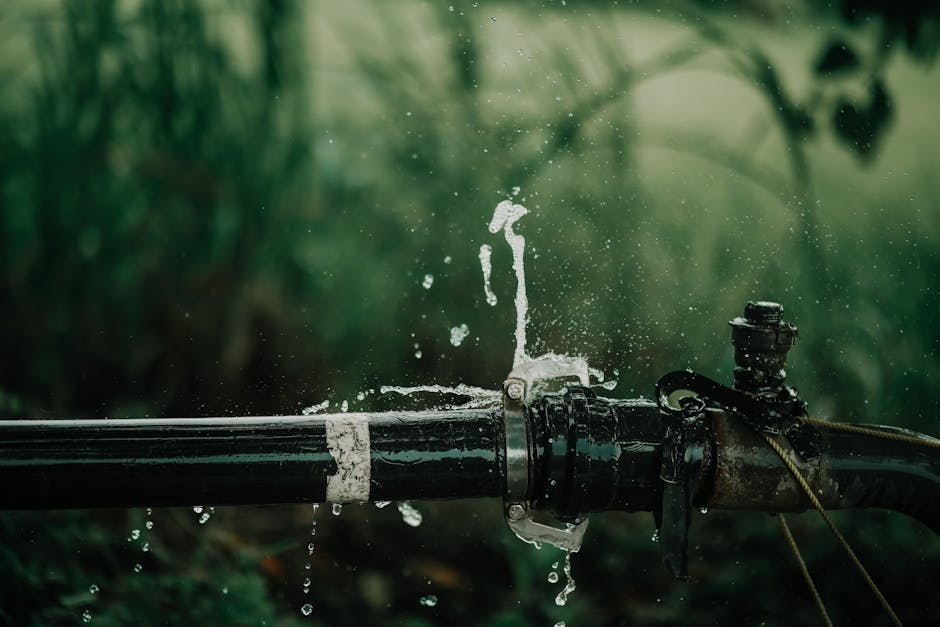
Optimizing Drip and Soaker Hose Irrigation Systems
Heatwaves pose a significant challenge for gardeners and horticulturists, threatening crop health and water use efficiency. Proper water management is fundamental to mitigating the impact of thermal stress on plants, ensuring their survival and productivity. Implementing strategic irrigation practices not only protects flora during periods of high temperatures but also promotes more sustainable and climate-resilient gardening.
Optimizing irrigation begins with the correct setup of the system. A prior analysis of the specific water needs of each species and soil characteristics is crucial. Drip or soaker hose irrigation systems demonstrate superior efficiency, delivering water directly to the root zone and minimizing evaporation. Recent studies, such as those published by INTA (National Agricultural Technology Institute), highlight that adopting these technologies can reduce water consumption by up to 50% compared to traditional methods like overhead sprinkling. Periodic inspection of pipes and emitters for leaks or blockages ensures continuous operation and prevents waste. Integrating soil moisture sensors and smart controllers represents a key innovation, automatically adjusting irrigation frequency and duration based on environmental conditions and actual plant needs, aligning with the growing trend of precision agriculture.
Water Application Techniques to Mitigate Heat Stress
The timing of water application becomes critically important during heatwaves. Watering early in the morning, before sunrise, or in the evening, once temperatures have dropped, minimizes evaporation and allows water to penetrate the soil effectively. Deep, less frequent watering encourages the development of longer, more robust roots that can access deeper water reserves, strengthening the plant’s resistance to water stress. Conversely, shallow, frequent watering promotes shallow root systems, making plants more vulnerable. Applying organic mulch, using materials like straw, wood chips, or compost, forms a protective layer over the soil. This technique drastically reduces evaporation, maintains more stable soil temperatures, and suppresses the growth of weeds that compete for water—a fundamental practice in permaculture and regenerative agriculture.
Detailed observation of plants and soil is indispensable for adjusting the irrigation plan. Signs of water stress, such as wilting or yellowing leaves, indicate the need for intervention. Assessing soil moisture using manual tools or digital meters allows for superior precision in decision-making. It is essential to understand that water requirements vary by plant species, growth stage, and specific climatic conditions. During a heatwave, some plants may require temporary increases in irrigation frequency or volume. Consulting weather forecasts and using gardening apps that offer real-time climate data facilitate proactive planning, enabling anticipation of water requirements and avoidance of dehydration damage.
Soil Moisture Monitoring and Irrigation Adaptation
Selecting plants adapted to warm climates and with good drought tolerance constitutes an effective preventive strategy. Native varieties or those adapted to the region, such as many cactus species, succulents, or Mediterranean shrubs, have lower water demands. Research and development of new varieties resistant to water and heat stress are highly relevant areas of botanical innovation today, with significant advances in crops like tomatoes and sweet potatoes. Furthermore, physical protection of plants using temporary shade nets can reduce direct solar radiation and ambient temperature around more sensitive crops, decreasing their transpiration and, consequently, their water demand. These practices, combined with balanced fertilization, contribute to the overall health of the plant, improving its ability to withstand extreme conditions.
Efficient water management during a heatwave is a multifaceted strategy combining technology, cultural practices, and constant observation. By implementing optimized irrigation systems, adjusting application techniques, actively monitoring plant needs, and selecting suitable species, gardeners and horticulturists can protect their crops and contribute to more responsible and sustainable water management. The resilience of our green spaces directly depends on the intelligence with which we manage this vital resource.
Related Articles
Padrón Pepper Adaptation & Agronomy in New Climates
Explore climatic, soil requirements, and cultivation techniques for Padrón peppers, optimizing production and quality with sustainable methods.

Impact of Sea Breeze on Plant Physiology and Horticultural Adaptation Strategies
Analysis of saline aerosols, humidity, and wind on coastal vegetation, with mitigation through windbreaks, soil improvement, and efficient irrigation.
Molybdenum in Lettuce: Physiology, Diagnosis, and Regional Nutritional Management
Diagnosing molybdenum deficiency in lettuce: understanding visual indicators, the role of soil pH, and effective foliar and hydroponic remediation techniques.

*Handroanthus impetiginosus*: Care, Soil, Climate & Propagation
Establishment, propagation by seed/cutting, and health management of pink lapacho for arboriculture and ecological restoration.