Selection and Management of Shade Trees for Latin American Urban Climates
Botanical criteria, suitable species, and planting techniques for optimizing shade trees in Buenos Aires' urban green spaces.
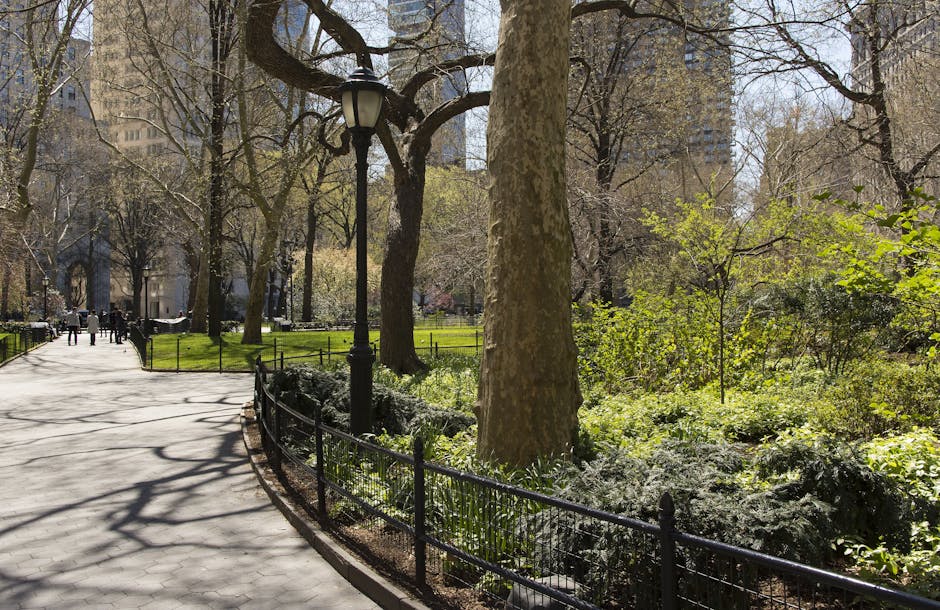
Botanical Criteria for Selecting Tree Species
Planning a garden or green space in Buenos Aires, or any region in Latin America with intense climates, involves considering elements that provide both functionality and beauty. Shade trees emerge as essential protagonists, offering refuge from the summer sun and contributing to the thermal regulation of the environment. Their correct selection transcends aesthetics, directly impacting local biodiversity, household energy consumption, and air quality. This article delves into the technical criteria for selecting suitable species, ensuring healthy development and long-term benefits for your green space.
Adaptation to the environment is the fundamental pillar in choosing shade trees. Edaphoclimatic factors such as soil type (texture, pH, drainage), water availability, and prevailing climatic conditions (extreme temperatures, rainfall patterns, wind exposure) are evaluated. It is crucial to consider the tree’s final size, both in height and in root and canopy spread, to avoid conflicts with infrastructure, buildings, or underground piping systems. Resilience to extreme weather events, increasingly frequent in the context of climate change, is a priority selection parameter. Favoring native or regionally adapted species not only facilitates their establishment and reduces maintenance requirements but also promotes biodiversity, offering food and shelter to local fauna. These species significantly contribute to mitigating the urban heat island effect, a growing challenge in cities like Buenos Aires, by reducing ambient temperature and improving air quality. Recent studies from the National University of La Plata highlight the importance of incorporating species with high carbon sequestration capacity and low water requirements to address urban environmental challenges, promoting a more robust and functional green infrastructure.
Properties and Adaptability of Shade Tree Species
The diversity of trees suitable for shade in our region allows for strategic selection. Below are some species with distinctive characteristics that make them ideal for different garden contexts, considering their adaptability to local ecosystems and their shade potential:
- Palo Borracho (Ceiba speciosa): A fast-growing native tree with a wide canopy and striking pink or white flowering. It requires considerable space due to its thickened trunk and shallow roots, making it ideal for large gardens and parks. Its adaptability to diverse soils and drought resistance make it valuable in water-stressed conditions.
- Jacarandá (Jacaranda mimosifolia): Valued for its spectacular spring violet flowering and its semi-evergreen canopy that provides pleasant, filtered shade. It tolerates various soil types and temperate to warm climates, making it an urban emblem in many Latin American cities. Its delicate foliage allows sunlight to pass through in winter.
- Linden (Tilia spp.): A tree with a dense canopy and deciduous foliage, ideal for summer shade while allowing sunlight in winter. Its flowers are small, very aromatic, and attract a wide variety of pollinators. It prefers fertile, deep, well-drained soils and is suitable for medium to large gardens.
- American Ash (Fraxinus americana): Vigorous growing with an oval canopy, offering dense shade and attractive fall color. Although not native, its adaptability and resilience have made it popular. However, it is important to consider its susceptibility to certain specific pests, such as the emerald ash borer, in some regions.
- Tipa (Tipuana tipu): A large, fast-growing tree with abundant yellow flowering that carpets the ground in spring. Its extensive canopy casts deep shade, ideal for large spaces. It requires formative pruning to maintain its structure and prevent weak branching, being a common choice in large parks and avenues in Argentina.
- Rubber Fig (Ficus elastica ‘Robusta’): Although more commonly known as an indoor plant, in warm climates, it can develop into a medium-sized shade tree with large, glossy leaves, providing dense shade and a tropical appearance. Its root system can be invasive, so its placement must be carefully planned.
Planting Techniques and Post-Plantation Management
The choice should weigh the garden’s size, the desired shade density, growth rate, and the presence of other plant species to ensure harmonious coexistence and a positive impact on the landscape.
The success in developing a shade tree significantly depends on correct planting. The planting hole preparation should be at least twice the width of the root ball and slightly less deep, ensuring the root collar remains at ground level to prevent suffocation or rot issues. Amending the surrounding soil with mature compost or organic matter improves structure, aeration, and nutrient availability, promoting robust rooting and rapid adaptation. Initial watering is critical to settle the soil and eliminate air pockets, ensuring root contact with the substrate.
Impact of Green Infrastructure on Urban Thermal Regulation
Post-plantation management includes establishing an efficient irrigation system, preferably drip or micro-sprinkler, to optimize water use and ensure deep hydration, especially during the first few years. Mulching with organic materials like wood chips, bark, or compost around the base of the trunk (avoiding direct contact with the stem) conserves soil moisture, suppresses competitive weeds, and moderates root temperature, fundamental aspects in hot, dry climates like those in many parts of Argentina. Formative pruning, performed with technical judgment and by professionals for large trees, guides canopy growth, improves structure, prevents future breakage from wind or snow, and ensures good ventilation. Fertilization practices should be based on soil analysis to apply only necessary nutrients, avoiding excesses that could leach and contaminate groundwater. The integration of technologies like soil moisture sensors, connected to automated irrigation systems, which are increasingly accessible, allows for precise and sustainable water management, adapting to the actual needs of each species.
Selecting a shade tree is a long-term investment that shapes the microclimate and aesthetics of any green space. By carefully considering botanical, environmental, and management factors, it is possible to choose species that not only provide the desired sun refuge but also actively contribute to the sustainability and biodiversity of the local ecosystem. A well-chosen and cared-for tree becomes a green legacy, offering invaluable benefits for future generations and enriching the quality of life in our urban and rural environments.
Related Articles
Whispers from the Garden: Deciphering the Ancient Language of Flowers
Understand the fascinating history and practical application of floriography, using flowers to convey unspoken messages in your garden and gifts.

Climate Adaptation and Palm Selection for Diverse Ecosystems
Analysis of climatic factors (temperature, water, light) and palm species for temperate, subtropical, arid, and tropical climates.
Fruit Trees at Home: Essential Practices for Abundant and Healthy Harvests
Improve the health and productivity of your fruit trees with sustainable selection, pruning, nutrition, and irrigation techniques.

Urban Container Gardening: Selection, Substrates, and Sustainable Management
Optimize vegetable production in pots with suitable substrates, efficient irrigation, and organic pest control for urban sustainability.