Renaissance Garden Design: Classic Principles and Contemporary Sustainable Adaptation
Recreate Renaissance formality with geometry, symmetry, and adapted botanical selection, integrating sustainability and technology in modern spaces.
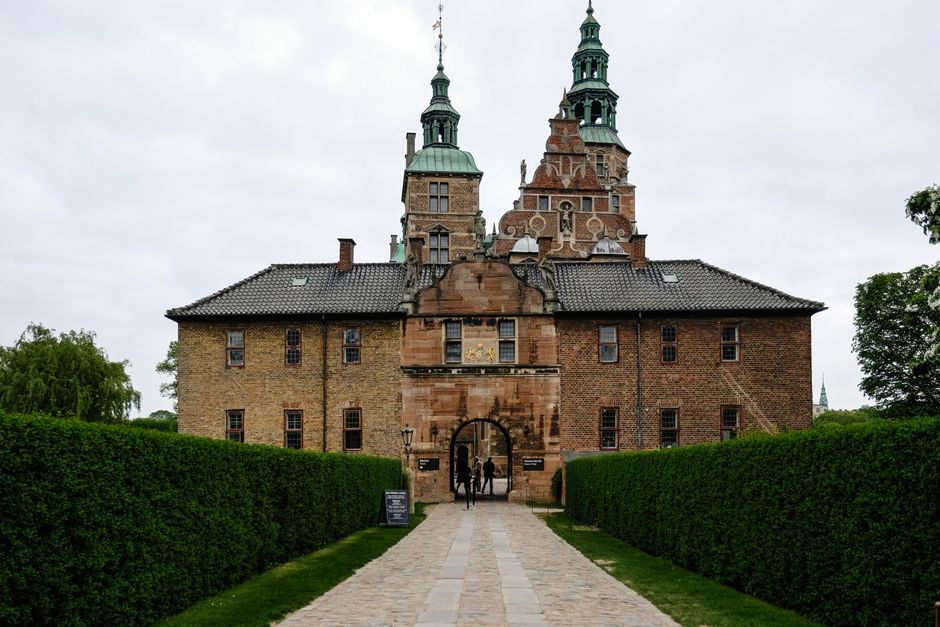
Principles of Composition and Axial Perspective in Renaissance Design
The design of Renaissance gardens, which emerged in Italy during the 15th and 16th centuries, represents a manifestation of human order and reason over nature. These green spaces, conceived as extensions of architecture, reflect a profound connection with classical principles of symmetry, proportion, and perspective. Recreating a garden in this style today involves understanding its aesthetic foundations and adapting them to contemporary conditions, seeking a balance between tradition and current sustainability.
The structure of a Renaissance garden is based on precise geometry and axial organization. The design establishes strong visual axes that guide the eye towards focal points, such as sculptures, fountains, or architectural elements. Bilateral symmetry dominates the arrangement of elements, creating a sense of balance and harmony. Planning incorporates terraces and changes in elevation to enhance perspective and offer panoramic views, a practice that can be emulated on varied topography. The relationship between the main building and the garden is intrinsic; the green space projects from the house, extending its lines and materials. This architectural-landscape integration is fundamental to capturing the essence of the style.
Botanical Selection and Structural Materials for Formal Parterres
Essential components of these gardens include parterres, which are ornamental beds defined by low hedges, typically of Buxus sempervirens (boxwood). These are filled with colored gravel, sand, or seasonal flowering plants. The choice of low-growing, dense-foliage species is crucial for maintaining the definition of patterns. Currently, alternatives to boxwood are being explored due to its susceptibility to certain pests and diseases; species such as Ligustrum sinense or dwarf varieties of Myrtus communis can offer a similar structure with less maintenance. Fountains and ponds, central elements, provide sound and reflection, acting as focal points and contributing to the atmosphere. The incorporation of classical sculptures, stone urns, and traditionally designed benches reinforces the aesthetic character. For pergolas and gazebos, climbing plants such as Vitis vinifera (grapevine) or Rosa banksiae are selected to provide shade and fragrance, evoking the original aesthetic.
Sustainability is a key factor in the implementation of modern Renaissance gardens. Given current concerns about climate change and water efficiency, water management is paramount. The installation of drip irrigation systems in parterres and flower beds allows for precise and efficient application, minimizing waste. For fountains and water features, the implementation of advanced recirculation and filtration systems reduces consumption and maintains water quality. Regarding botanical selection, integrating native species of the region that share formal characteristics with traditional plants can significantly decrease water and phytosanitary requirements. For example, some native Salvia or Verbena from Argentina can offer striking blooms within formal beds with lower water demand. The practice of topiary, although labor-intensive, can be optimized by selecting slow-growing cultivars and efficient pruning tools, such as electric shears, which reduce effort and time spent. Constant monitoring for early detection of pests and diseases, along with the use of biological products, ensures garden health with reduced environmental impact.
Sustainable Water Management and Modern Phytosanitary Strategies
The application of Renaissance design principles is not limited to large estates. Its concepts can be adapted to urban courtyards or balconies by using symmetry and repetition in pots and planters. For instance, a central axis can be defined by a small fountain or sculpture, flanked by two identical sets of potted plants. Selecting suitable species for containers, such as dwarf citrus trees or small topiary shrubs, allows for recreating formality on a smaller scale. The trend towards urban agriculture also allows for the orderly integration of edible elements, such as herb gardens arranged in geometric patterns. Furthermore, the use of modern materials, like recycled polymers for pots that mimic terracotta or stone, offers durability and lightness without sacrificing aesthetics. Current technology, such as soil moisture sensors connected to automated irrigation systems, facilitates the maintenance of these designs, ensuring plants receive the exact amount of water needed, a significant advancement for gardening efficiency [1].
Creating a Renaissance-style garden today is a design exercise that honors history while embracing innovation. By integrating classical principles with sustainable practices and modern technology, it is possible to conceive a space that is not only visually striking but also environmentally respectful and adapted to the needs of contemporary life.
Adapting Formal Designs to Urban Spaces and Containers
References
[1] https://www.infojardin.com/articulos/sistemas-de-riego-inteligente.htm
Related Articles

Urban Zen Landscaping: Miniaturization, Philosophy, and Sustainability in Compact Spaces
Aesthetic and philosophical principles of Japanese landscaping applied to urban micro-gardens: plant selection, rocks, sand, and sustainable management.

Romantic Garden Design: Aesthetics, Botany, and Integrated Sustainability
Explore the fusion of romantic landscape design with ecology: structure, botanical selection, elements, and sustainable management for resilience.

Design and Management of Rock Gardens for Resilient Urban Ecosystems
Principles of lithological selection, edaphological specifications, and botanical choices for low-maintenance, high-biodiversity habitats.

Adapting Moorish Gardens: Design, Botany, and Sustainability in Latin America
Integrate Andalusian design principles, adapted botany, water management, and sensory elements to create sustainable oases in current climates.