Crop Rotation: Impact on Soil Microbiota and Agricultural Sustainability
Explore how crop alternation modifies soil microbial communities, enhancing health, structure, nutrient cycling, and ecological resilience.

Microbial Interaction and Root Exudates in the Rhizosphere
The vitality of any agricultural system resides, to a large extent, beneath the surface: in the soil. This complex subterranean ecosystem harbors an astonishing diversity of microorganisms, from bacteria and fungi to protozoa and nematodes, which are essential for plant health and crop productivity. One of the oldest and most effective agronomic practices for nurturing this microbial community, and by extension the soil, is crop rotation. This technique, which involves alternating different types of plants on the same plot over time, not only optimizes nutrient use and controls pests but also exerts a profound and beneficial impact on the composition and activity of the soil microbiota. Understanding this interaction is fundamental to developing more resilient and sustainable cropping systems in the current context of regenerative agriculture.
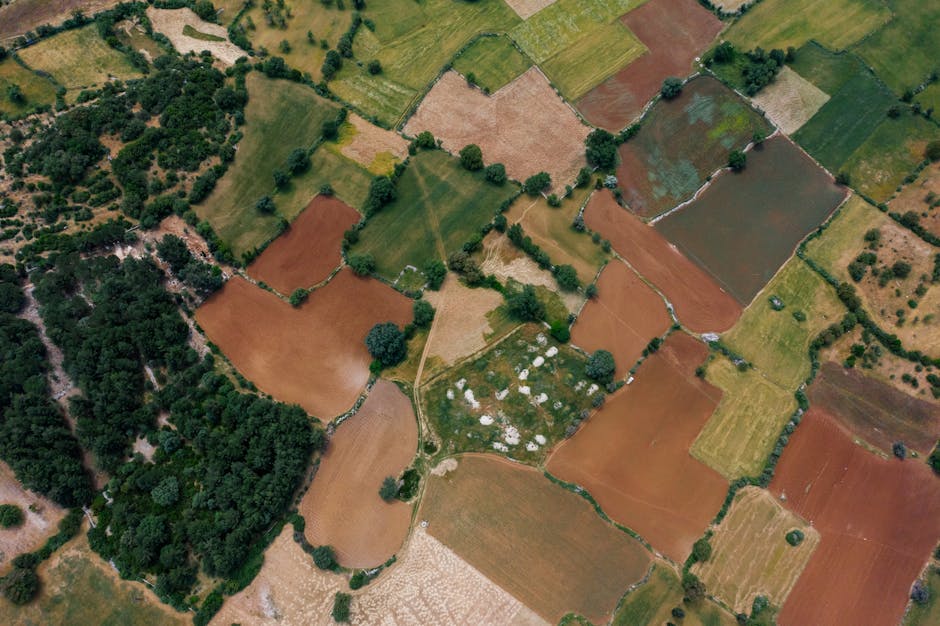
Crop rotation is an age-old strategy consisting of cultivating different plant species sequentially on the same land. Its design is based on plant complementarity, considering their nutritional requirements, root architecture, botanical family, and susceptibility to specific pests and diseases. For example, alternating legumes, which fix atmospheric nitrogen, with cereals, which are heavy consumers of this element, is a fundamental pillar in many rotation schemes. This practice not only seeks to avoid the depletion of specific nutrients but also to break the life cycles of pathogens and weeds, reducing the need for external inputs. Planning an effective rotation requires careful analysis of local edaphoclimatic conditions and production objectives, adapting to the specificities of each region, such as those found in the horticultural belt of Buenos Aires or other productive areas of Latin America.
Each plant species establishes a unique relationship with the microbial community inhabiting its rhizosphere, the soil zone directly influenced by the roots. Plants release root exudates—organic compounds such as sugars, amino acids, and organic acids—that act as chemical signals and food sources for specific microorganisms. This rhizosphere “engineering” selects and promotes the growth of microbial populations that, in turn, perform vital functions for the plant, such as phosphorus solubilization, growth hormone production, or protection against pathogens.
Biological Pathogen Suppression Through Crop Succession
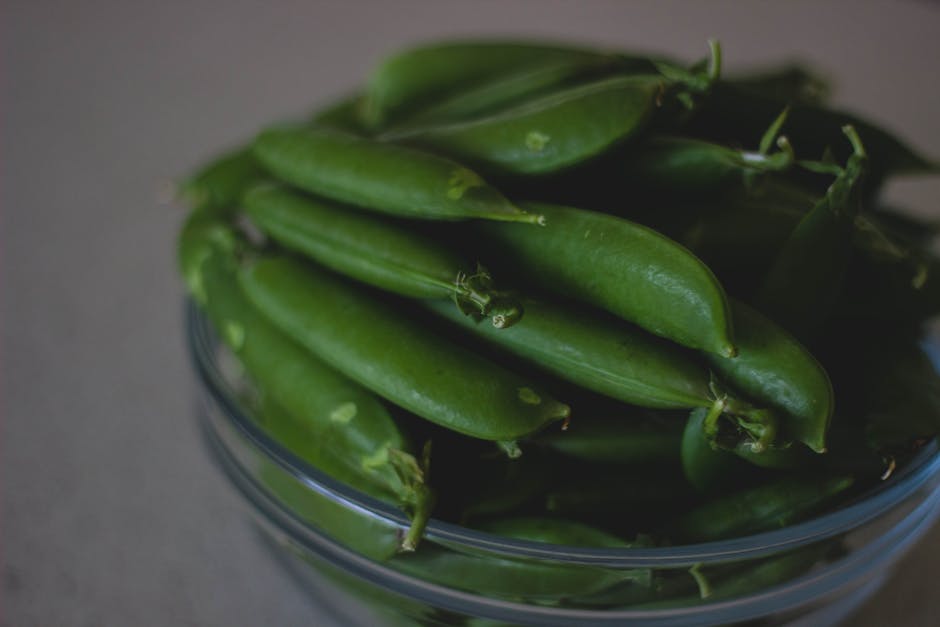
Crop rotation introduces crucial variability into this process. By alternating plants with different root exudation patterns and root structures, microbial diversity in the soil is fostered. For instance, a legume like peas or soybeans, with its ability to associate with nitrogen-fixing bacteria (genus Rhizobium), will leave a legacy of available nitrogen and an enriched microbial community that will benefit the following crop. In contrast, a grass crop like corn or wheat will stimulate another set of microorganisms, contributing to soil structure stability and disease suppression. This crop succession generates a dynamic mosaic of interactions that prevents the dominance of pathogens specific to a single crop.
The influence of crop rotation on the soil microbial community translates into multiple tangible benefits for the health and productivity of the agricultural system:
- Phytopathogen Suppression: Crop alternation interrupts the life cycles of plant-specific pathogens. For example, if a fungus that attacks tomatoes accumulates in the soil, planting a legume or grass in the following season deprives that fungus of its host, reducing its population and disease incidence in future tomato crops. Antagonistic microorganisms, promoted by the diversity of exudates, also contribute to this biological suppression.
- Improved Soil Structure: The roots of different crops explore different depths and generate varied root biomass. This, along with the activity of fungi and bacteria that produce binding substances (like glomalin), improves soil aggregation, porosity, and water and air retention capacity. Crops with deep roots, such as alfalfa, can decompact the soil, creating channels for water infiltration and subsequent root growth.
- Efficient Nutrient Cycling: Microbial diversity is key to nutrient transformation and availability. Nitrifying and denitrifying bacteria, mycorrhizal fungi, and other microorganisms facilitate the mineralization of organic matter, phosphorus solubilization, and the cycling of other essential elements. A well-designed rotation, including cover crops and green manures, increases microbial biomass and, consequently, nutrient use efficiency, reducing reliance on synthetic fertilizers.
- Increased Soil Biodiversity: Recent studies highlight that crop rotation significantly increases the richness and evenness of microbial species in the soil. This greater biodiversity confers greater resilience to the ecosystem against disturbances and a better capacity to maintain soil functions long-term. An example of this is the role of arbuscular mycorrhizal fungi (AMF), which establish symbiosis with most plants, facilitating nutrient and water uptake, and whose presence is favored by plant diversity.
Soil Aggregation and Nutrient Cycling by Microbial Diversity
The application of crop rotation in urban gardens and agricultural operations requires strategic planning. For small producers and gardeners in Argentina, it is useful to consider 3- to 4-year cycles, grouping crops by botanical family (solanaceous, legumes, brassicas, grasses) and by their nutritional demands.
- Sequence Design: A common sequence could be: legumes (provide nitrogen) -> leafy greens (high nitrogen consumption) -> fruit crops (demand potassium and phosphorus) -> roots or tubers (benefit soil structure). It is crucial to avoid planting the same plant family in the same plot for at least two seasons.
- Cover Crops and Green Manures: Incorporating cover crops between main production cycles is a growing trend in regenerative agriculture. Species like vetch, clover, or oats not only protect the soil from erosion and compaction but also nourish the microbiota, add organic matter, and can suppress weeds. When incorporated into the soil as green manure, they release nutrients and stimulate biological activity.
- Monitoring and Adjustment: Constant observation of the soil and crop yields is fundamental. Tools such as periodic soil analyses or even simple observation of earthworm presence and soil structure can guide necessary adjustments in the rotation.
Current innovations in microbial genomics and metagenomics are further revealing the complexity and potential of soil-plant-microorganism interactions. These advances allow researchers to precisely identify which microbial communities are favored by different rotations and how they contribute to system resilience. Precision agriculture, through the use of sensors and data, also facilitates more informed management of these practices. The National Agricultural Technology Institute (INTA) in Argentina offers valuable information and resources on crop rotation adapted to local conditions, serving as a reference for producers and gardening enthusiasts [https://inta.gob.ar/].
Implementation of Regenerative Sequences and Cover Crops
Crop rotation transcends being a mere agricultural practice; it stands as a fundamental pillar for soil health and productive sustainability. Its impact on the soil microbial community is profound, fostering diversity, resilience, and functionality in these vital ecosystems. By adopting and refining these techniques, horticulturalists and farmers not only ensure healthier and more abundant harvests but also actively contribute to building more robust food systems in harmony with the environment. The integration of crop rotation into agricultural practices is a long-term investment in our soil’s fertility and the future of food production.
Related Articles
Crop Rotation: An Agroecological Strategy for Integrated Weed Management
Investigate crop rotation's ecological and agronomic impacts on weed dynamics, soil health enhancement, and long-term agricultural viability.

Starting Your Garden: Planning, Soil, and Watering for Successful Harvests
A practical guide to creating your garden in Argentina: from sunlight and soil to watering and pest control for fresh home-grown food.

Floral Biodiversity and Habitat Structure for Pollinator Fauna in Kitchen Gardens
Article details strategic native flora selection, habitat design, and ecological management to attract pollinators for sustainable kitchen gardens.
Legumes in the Garden: Soil Fertility and Family Nutrition
Learn how growing beans, peas, and lentils improves your soil and diet. A practical guide for gardeners.