Tomato Downy Mildew: Integrated Management & Control
Covers identification of downy mildew pathogens, preventive cultural strategies, and biological and chemical phytosanitary control methods for tomatoes.
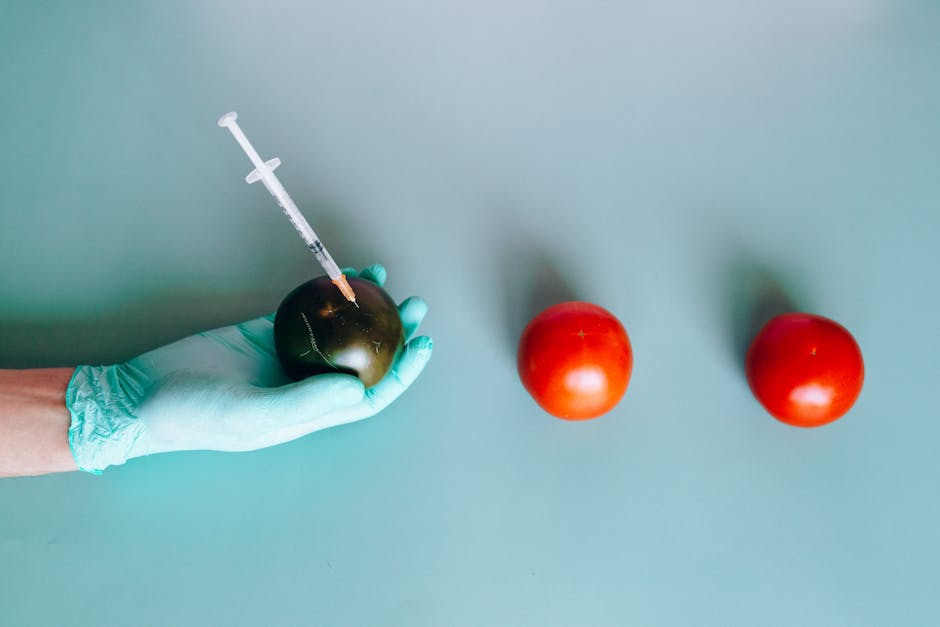
Identification and Life Cycle of Fungal Pathogens in Solanaceae
The cultivation of tomatoes, a rewarding activity for many horticulturalists in Argentina and across Latin America, faces constant challenges. Among the most persistent and destructive is downy mildew, a fungal disease that can devastate entire harvests if not managed effectively. This pathogen directly impacts production viability, requiring a proactive and multifaceted approach to its control.
Downy mildew, in its various manifestations, poses a significant threat to tomato plants. The most common species affecting cultivation include Phytophthora infestans (downy mildew or late blight) and Oidium lycopersici (powdery mildew). Downy mildew initially appears as irregular pale green to dark spots on leaves, which quickly turn brown or black, often with whitish fungal growth on the underside in high humidity conditions. Powdery mildew, on the other hand, is characterized by a white or grayish powdery coating on leaves, stems, and occasionally fruits. Both pathogens thrive in conditions of high humidity and moderate temperatures, spreading rapidly through wind-borne spores or water splash. Early identification of these symptoms is crucial for implementing control measures and mitigating their spread in the garden. Understanding their life cycle allows horticulturalists to anticipate periods of higher risk and apply preventive treatments.
Cultural Practices for Foliar Disease Mitigation
Prevention is the cornerstone of integrated downy mildew management. Selecting tomato varieties with proven genetic resistance is a fundamental initial strategy, with new varieties continuously developed to offer greater tolerance to these pathogens. Optimizing plant spacing is essential to ensure adequate air circulation, reducing leaf moisture and creating an environment less conducive to fungal development. Strategic pruning techniques also contribute to improving ventilation and sunlight penetration. Drip or basal irrigation is preferred over overhead sprinkling, as it minimizes foliage moisture, avoiding the creation of a microclimate favorable for spore germination. Crop rotation disrupts pathogen life cycles by not providing them with a suitable host in consecutive seasons, a vital practice for soil health and reducing inoculum load. Likewise, removing and destroying infected plant debris at the end of the season or upon disease detection prevents spore survival for future infections. These practices, aligned with regenerative agriculture principles, not only combat downy mildew but also strengthen the overall resilience of the garden ecosystem.
When preventive measures are insufficient, phytosanitary intervention becomes necessary. Biological approaches offer a sustainable alternative, utilizing beneficial microorganisms such as Bacillus subtilis or plant extracts (e.g., horsetail, neem) that possess fungicidal properties or induce plant resistance. These products, increasingly used in organic farming, can be applied preventively or at the first sign of disease. Applying micronized sulfur or potassium bicarbonate are effective organic treatments against powdery mildew, altering leaf surface pH and creating a hostile environment for the fungus. For downy mildew, copper-based products are valid options within organic horticulture, always respecting recommended dosages and frequencies to prevent soil accumulation. In situations of high disease pressure, especially in commercial crops, synthetic chemical fungicides may be required. The choice should be based on pathogen specificity, the product’s mode of action, and compliance with local regulations. Applying these products should be integrated into an Integrated Pest Management (IPM) program, alternating active ingredients to prevent resistance development and minimize environmental impact. Recent research on biopesticides and low-toxicity formulations offers new tools for more precise and environmentally conscious control. Humidity and temperature sensors, combined with predictive models, allow for more efficient and timely application of treatments, reducing unnecessary input use.
Selective Biological and Chemical Phytosanitary Interventions
Effective management of downy mildew in tomato cultivation demands a combination of constant vigilance, appropriate cultural practices, and, when necessary, well-planned phytosanitary interventions. Investing in resistant varieties, optimizing the growing environment, and adopting selective biological and chemical control strategies are pillars for protecting harvests. Integrating emerging technologies and current scientific knowledge are valuable tools for horticulturalists seeking sustainable and productive tomato production in the region. For more information on disease management in the garden, consult resources such as Infojardín or La Huertina de Toni.
Related Articles
Lettuce Sclerotinia Management: Etiology, Environment, Control
Investigates the etiology of Sclerotinia sclerotiorum in lettuce, environmental factors favoring its development, and integrated management strategies.

Strategic Water Management to Mitigate Crop Heat Stress
Optimizing irrigation, species selection, and mulching to protect plants during heatwaves, ensuring resilience and sustainability.
Adapting Tomato Cultivation to High Temperatures in Central America
Selecting genotypes and agronomic practices to optimize tomato (Solanum lycopersicum) production in tropical and subtropical climates.

Differentiating White and Black Frost: Mechanisms, Impact, and Horticultural Mitigation Strategies
Distinguish formation, cellular damage, and protective methods for white frost (hoarfrost) vs. black (internal) frost, crucial for agricultural resilience.