Erythrina crista-galli: Care, Propagation & Sustainable Management
Detailed analysis of climatic conditions, substrate, propagation methods, transplanting, and sustainable agronomic management of the Cockspur Coral Tree.
Physiological and Environmental Requirements for Erythrina crista-galli
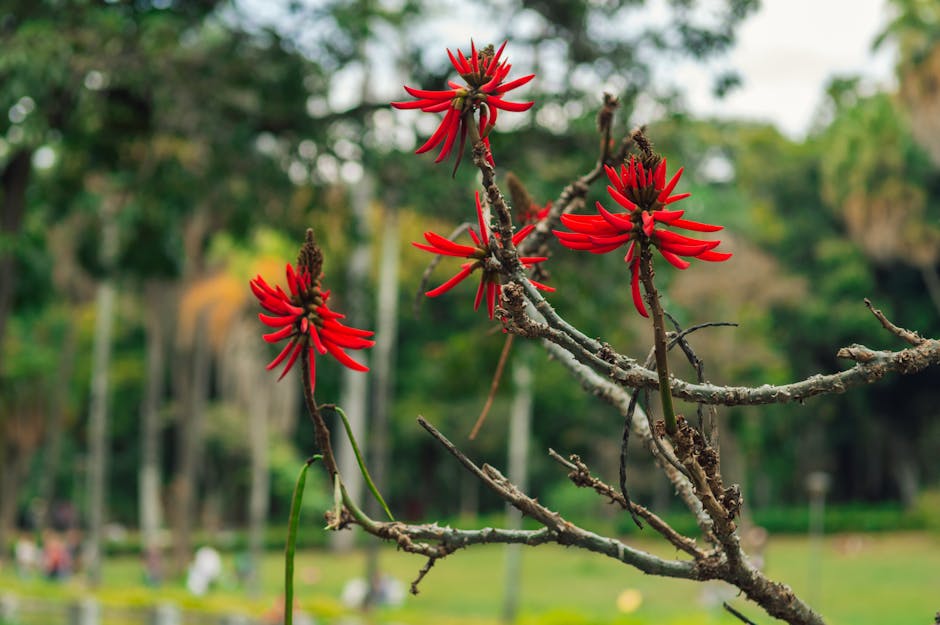
The Cockspur Coral Tree, Erythrina crista-galli, the national flower of Argentina and an emblem of various South American cultures, is a tree that not only beautifies landscapes with its distinctive red flowers but also fulfills a fundamental ecological role. Its cultivation, far from being complex, requires an understanding of its specific needs to ensure vigorous development and abundant flowering. As interest in native species and sustainable gardening grows in the region, the correct establishment and care of the Cockspur Coral Tree become increasingly relevant practices for horticulturists and landscape designers.
Analysis of Climatic and Edaphic Conditions
The Cockspur Coral Tree thrives in temperate to warm climates, with considerable tolerance to moderate frosts once established, although young specimens are more sensitive. It requires full sun exposure to induce optimal flowering, at least 6 to 8 hours of direct light daily. Its adaptation to varied soils is notable, but it prefers those with good moisture retention capacity and, simultaneously, excellent drainage. The species is naturally found in riparian and humid areas, indicating its preference for environments with constant water availability.
Substrate Composition and Drainage Management
The choice of substrate is crucial for the successful establishment of the Cockspur Coral Tree. A sandy loam soil, enriched with organic matter, provides ideal conditions. Organic matter improves soil structure, its water retention capacity, and aeration, vital factors for root development. In clayey or heavy soils, it is essential to incorporate coarse sand and mature compost to improve drainage and prevent waterlogging, a condition the Cockspur Coral Tree does not tolerate. Soil compaction is a limiting factor; therefore, deep soil preparation before planting is a recommended practice, even in urban agriculture contexts where large containers are used.
Propagation Methods and Seedling Establishment
Germination Protocols and Propagation by Cuttings
Propagation of the Cockspur Coral Tree is mainly done by seeds and cuttings. Seeds have a hard coat that requires scarification to facilitate water imbibition and germination. Methods such as soaking in warm water for 24-48 hours or slight mechanical abrasion are effective. Seeds germinate best at temperatures between 20-25 °C. Propagation by woody cuttings, taken from one-year-old branches during winter, is also viable, using rooting hormones to increase the success rate. This technique allows for the maintenance of the mother plant’s genetic characteristics, being useful for reproducing specimens with particularly attractive flowering or specific adaptations.
Transplanting Techniques and Initial Growth Phase
Transplanting seedlings or rooted cuttings should preferably be done in spring, when the risk of frost has passed and temperatures are favorable for rooting. It is essential to handle the root ball carefully to avoid damaging the roots. The planting hole should be twice the width of the root ball and of similar depth, ensuring the plant’s collar remains at soil level. Abundant watering immediately after transplanting is essential to settle the soil and eliminate air pockets. During the first year, the Cockspur Coral Tree requires regular watering and protection against strong winds and severe frosts, especially in areas with harsh winters. The current trend in nurseries favors the use of biodegradable containers to minimize post-transplant stress and promote a healthy root system.
Sustainable Agronomic Management of Adult Cockspur Coral Trees
Water Management and Pruning Programs
Although the Cockspur Coral Tree is drought-resistant once established, supplemental irrigation during prolonged dry periods, especially in summer, favors its vigor and flowering. The key is to avoid waterlogging. Implementing drip irrigation systems or using organic mulch around the base of the trunk are sustainable practices that optimize water use and maintain soil moisture. Pruning is fundamental for the tree’s formation, health, and safety. Formative pruning on young specimens helps establish a strong structure. Maintenance pruning removes dead, diseased, or interfering branches, and is preferably done at the end of flowering or during winter dormancy, avoiding large cuts that could compromise the tree’s health.
Nutrition Strategies and Biological Phytosanitary Control
The Cockspur Coral Tree is not excessively demanding in terms of nutrition, but an annual application of compost or organic fertilizer in spring stimulates its growth and flowering. These inputs gradually and sustainably improve soil fertility. Regarding pest and disease control, the approach should be preventive and biological. The Cockspur Coral Tree can be affected by aphids or scale insects, which are generally managed with soapy water solutions or horticultural oils. Integrated Pest Management (IPM) is an effective strategy that prioritizes non-chemical methods, such as introducing beneficial insects or using plant extracts. Regularly monitoring the tree’s health allows for early detection of problems and quick, low-environmental-impact solutions.
Ecosystem Valuation and Applications in Urban Landscaping
Contribution of the Cockspur Coral Tree to Local Biodiversity
The Cockspur Coral Tree is a keystone species in its native ecosystem, acting as a source of nectar and pollen for a diversity of pollinators, including hummingbirds and bees. Its flowers are a visual attraction and a vital resource for fauna. Furthermore, as a legume, the Cockspur Coral Tree has the ability to fix atmospheric nitrogen in the soil through symbiosis with Rhizobium bacteria, enriching substrate fertility and benefiting surrounding plants. Integrating Cockspur Coral Trees into reforestation or degraded ecosystem restoration projects significantly contributes to the recovery of biodiversity and ecological functionality.
Integration into Ecological Restoration Projects
The growing trend towards landscaping with native plants has positioned the Cockspur Coral Tree as a preferred choice for parks, public squares, and urban gardens in Argentina and other Latin American countries. Its resilience and beauty make it ideal for creating green spaces that not only beautify but also support local fauna and require fewer water and maintenance resources in the long term. In green infrastructure and permaculture projects, the Cockspur Coral Tree is valued for its shade, ornamental appeal, and its role in soil improvement. Selecting local ecotypes or varieties adapted to the specific conditions of each site is an innovative practice that maximizes the success of establishment and the resilience of urban trees.
The cultivation of the Cockspur Coral Tree represents an opportunity to connect with the region’s natural richness and contribute to environmental sustainability. With adequate knowledge of its requirements and conscious management, this emblematic tree can thrive in diverse environments, offering its unparalleled flowering and valuable ecosystem services to communities and nature. Adopting gardening and landscaping practices that prioritize native species like the Cockspur Coral Tree is a fundamental step towards creating more resilient and biodiverse environments. For more information on native plants and their cultivation, consult resources such as those from the National Agricultural Technology Institute (INTA) [https://inta.gob.ar/] or specialized gardening platforms.
Related Articles

Lacewings: Biological Control Agents - Morphology, Life Cycle, Habitat
Identification of lacewings, aphid-eating larvae, their life cycle, and habitat strategies for proliferation in horticulture.

Andean Foothills Gardening: Climate, Soil, Biodiversity
Strategies for high-altitude cultivation: water management, resilient species selection, organic amendments, and bio-inputs for arid, windy environments.

Zen Landscaping: Composition, Flora, and Sustainability in Contemplative Spaces
Details design, plant selection, gravel raking, and sustainability in Zen gardens, merging minimalist aesthetics and meditative practice.

Ziziphus mistol: Ecology, Cultivation, and Agro-industrial Potential of a Chaco Fruit Tree
Explore the ecology, propagation, agronomic management, and nutritional value of mistol, highlighting its adaptability and potential for agro-industry and sustainability.