Adaptive Gardening in the Sonoran Desert: Water Conservation and Biodiversity
Utilizes water conservation techniques, native xerophyte selection, and monitoring technologies to create sustainable oases in arid ecosystems.

Characterizing Desert Soil and Local Microclimates
The Sonoran Desert, an ecosystem of unique beauty and extreme conditions, presents distinct challenges for gardening. Far from being an inert landscape, this environment hosts a surprising biodiversity, adapted to water scarcity and high temperatures. Gardening in these regions is not only possible but represents an opportunity to create resilient green spaces, integrated with the natural landscape and respectful of its limited resources. The key lies in understanding and emulating the adaptation strategies of local flora, incorporating innovative techniques and a deep knowledge of the ecosystem. This approach allows for the transformation of arid zones into sustainable oases, demonstrating that harmony between humans and nature is achievable even in the most demanding environments.
The success of any gardening initiative in the Sonoran Desert begins with a profound understanding of its soil and topography. Desert soils are typically low in organic matter and rich in minerals, with textures ranging from sandy to clayey, directly influencing water and nutrient retention capacity. Permeability and salinity are critical factors to evaluate.
The creation of microclimates is a fundamental strategy. Through the strategic placement of rocks, walls, or shade structures, it is possible to mitigate extreme temperatures and reduce evaporation. These protected zones offer more favorable conditions for establishing plants less tolerant of direct exposure. Recent studies in desert permaculture, such as those applied in ecosystem regeneration projects, emphasize the importance of replicating natural patterns of moisture and nutrient accumulation to optimize plant growth. Analyzing the water table and subsoil composition allows for the selection of species that thrive with minimal artificial intervention. For detailed information on plants and their requirements, the Desert Botanical Garden in Phoenix offers valuable resources: https://www.dbg.org/.
Water Conservation Strategies in Arid Ecosystems
Efficient water management is the cornerstone of desert gardening. The implementation of drip or seep irrigation systems is indispensable, minimizing evaporation and directing water directly to the plant’s root zone. Smart irrigation scheduling, based on soil moisture sensors and weather forecasts, optimizes consumption, preventing both over- and under-watering.
Rainwater harvesting and the collection of surface runoff represent valuable sources to supplement irrigation. Cisterns or retention ponds can store significant volumes, usable during dry periods. Mulching with organic materials such as wood chips or volcanic gravel is another effective technique. It reduces soil evaporation, suppresses weed growth, and moderates substrate temperature, contributing to root health. Research at institutions like the Institute of Biology at UNAM has explored the effectiveness of these techniques in the resilience of arid ecosystems: https://www.ib.unam.mx/.
The choice of appropriate plants is crucial. Native species of the Sonoran Desert (xerophytes) are intrinsically adapted to its conditions, requiring minimal intervention once established. Examples include the saguaro (Carnegiea gigantea), ocotillo (Fouquieria splendens), palo verde (Parkinsonia florida), and various varieties of agaves and yuccas. These plants not only survive but thrive, offering flowers, fruits, and shelter for local fauna.
Selecting Xerophyte Species and Promoting Biodiversity
The integration of native plants fosters biodiversity, attracting pollinators like bees and hummingbirds, and providing habitat for insects and small vertebrates. This creates a more balanced garden ecosystem that is resistant to pests and diseases. Consulting botanical catalogs from specialized institutions, such as the University of Arizona’s Maricopa County Master Gardener Program, is recommended for identifying suitable species and their availability in local nurseries: https://cals.arizona.edu/maricopa/garden/. The current trend in sustainable gardening prioritizes selecting plants with low water requirements that contribute to landscape resilience against climate change.
Modern technology offers valuable tools for optimizing gardening in arid environments. Smart monitoring systems, including soil moisture sensors, ambient temperature, and solar radiation sensors, provide real-time data. This information allows for precise adjustments to irrigation schedules, preventing water waste and ensuring plants receive the exact amount they need.
Mobile applications and online platforms facilitate access to this data and enable remote control of irrigation systems. Furthermore, biotechnology research is developing new plant varieties more resistant to drought and high temperatures, offering additional options for gardeners. Integrating solar panels to power irrigation pumps and outdoor lighting systems represents a step towards energy self-sufficiency, aligning with permaculture and sustainability principles. These innovations are key to the evolution of desert gardening, making it more efficient and adaptable to future climatic challenges. The FAO (Food and Agriculture Organization of the United Nations) documents advancements in smart agriculture that can be applied to sustainable gardening: https://www.fao.org/americas/noticias/ver/es/c/1237937/.
Innovations in Desert Gardening: Sensors and Monitoring
Gardening in the Sonoran Desert is a discipline that demands respect for the environment and a commitment to sustainability. By implementing water conservation strategies, making intelligent selections of native species, and adopting technological innovations, it is possible to cultivate vibrant and resilient landscapes. This approach not only beautifies spaces but also contributes to the preservation of the desert ecosystem, promoting biodiversity and the conscious use of resources. The experience of creating a garden in the desert is a testament to nature’s adaptability and human ingenuity in coexisting harmoniously with it.
Related Articles

Native Iberian Flora: Foundations for Sustainable and Resilient Gardens
Optimizing xeriscaping and biodiversity with native Iberian species, integrating advanced water and genetic techniques for ecological resilience.

Rain Gardens: Green Infrastructure for Urban Water Management
Implementing rain gardens in Argentina and Latin America: hydrological principles, design, and ecosystem benefits for urban resilience.
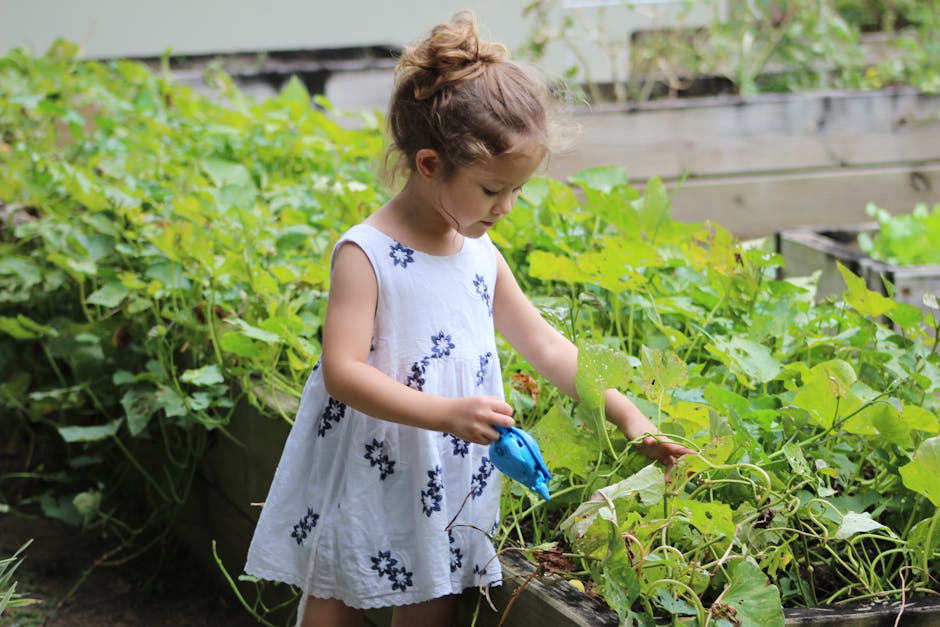
Children's Horticulture: Integrated Development and Environmental Sustainability Through Cultivation
Children's gardening fosters cognitive, emotional, and civic skills, building an early understanding of sustainability and biodiversity.

Cultivating Pollinators: Strategies for a Biodiverse and Resilient Garden
Implement native flora, shelters, and water sources to attract beneficial fauna, strengthening your garden and the ecosystem.