Andean Foothills Gardening: Climate, Soil, Biodiversity
Strategies for high-altitude cultivation: water management, resilient species selection, organic amendments, and bio-inputs for arid, windy environments.
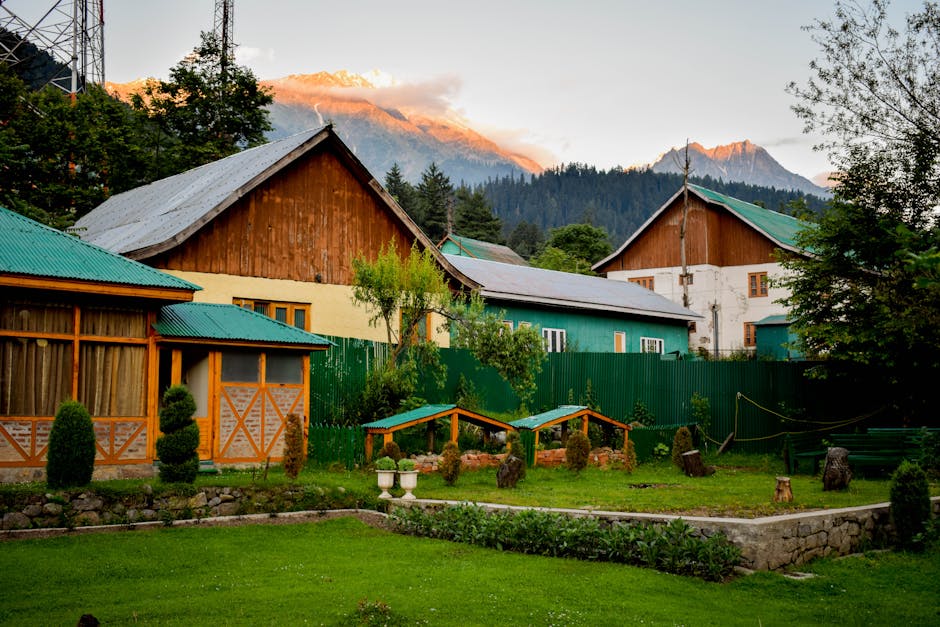
Characterizing the Climate and Soils of the Andean Foothills
The foothills of the Andes, with their unique topography and extreme climatic conditions, present a distinct challenge for gardening enthusiasts. However, this region also offers an exceptional opportunity to develop orchards and gardens that not only beautify the landscape but also contribute to local sustainability and biodiversity. Adapting to altitude, drastic thermal fluctuations, and water scarcity becomes the cornerstone for success in this environment, transforming limitations into a source of innovation and resilience. The experience of cultivating in this geographical strip, stretching from the province of Jujuy to Argentine Patagonia, requires a deep understanding of its ecological particularities and the application of specific agronomic techniques.
Climate and Soil Characteristics of the Andean Foothills
The foothill climate is distinguished by its marked daily and seasonal thermal amplitude, with cold winters bringing frequent frosts and dry summers with high solar radiation. Winds, often intense and persistent, not only increase plant evapotranspiration but can also cause significant mechanical damage, from branch breakage to foliage desiccation. The region’s soils are predominantly arid, with a composition varying between sandy and rocky, low organic matter content, and consequently, limited water and nutrient retention capacity. The terrain’s slope also contributes to rapid water runoff, hindering infiltration.
Soil management begins with a detailed analysis of its components and pH. Regular incorporation of organic amendments, such as mature compost and worm castings, is crucial to significantly improve soil structure, increase fertility, and optimize moisture retention. The construction of raised beds or terraces, an ancestral technique used on Andean slopes, can mitigate erosion, facilitate drainage, and allow for better substrate management, creating more favorable and protected microclimates for plant development. Recent studies by INTA (National Agricultural Technology Institute) in the Cuyo region have shown that adding biochar to foothill soils improves nutrient availability, cation exchange capacity, and microbial activity—crucial aspects for crop resilience and ecosystem health. For more information on these studies, consult the official INTA website.
Criteria for Selecting Resilient Plant Taxa
Criteria for Selecting Resilient Plant Taxa
The choice of suitable species is the most determining factor for success in foothill gardening. Priority is given to plants with high drought tolerance, proven frost resistance, and a notable ability to adapt to poor, windy soils. Native species of the region, such as the algarrobo (Prosopis flexuosa), the chañar (Geoffroea decorticans), the jarilla (Larrea cuneifolia), or the piquillín (Condalia microphylla), are not only intrinsically adapted to local conditions but also promote biodiversity, provide shelter for fauna, and require significantly less water once established. The revaluation of native flora is a growing trend that strengthens local ecosystems.
For the vegetable garden, it is recommended to use vegetable cultivars that exhibit proven resistance to adverse conditions. Determinate-growth tomato varieties, hardy carrots, Swiss chard and spinach, as well as robust aromatic herbs like rosemary, oregano, lavender, and thyme, thrive in these environments. Current research focuses on developing new crop varieties that incorporate genes for resistance to water and thermal stress, a significant advancement for agriculture in marginal areas and a response to climate change. Consulting seed catalogs from local producers in Argentina and Chile, which often offer varieties adapted to their terroirs, can be very helpful.
Water Management and Fertilization Strategies in Arid Climates
Water Management and Fertilization Strategies in Arid Climates
Water efficiency is a central pillar of foothill gardening, where every drop of water counts. Implementing drip or soaker hose irrigation systems is fundamental, as it minimizes water loss through evaporation and runoff, ensuring the resource reaches the plant’s root zone directly. Mulching with organic materials (straw, wood chips, dry leaves, pruning waste) or inorganic materials (stones, volcanic gravel, geotextile membranes) is an essential practice. This technique drastically reduces soil evaporation, suppresses weed growth that competes for water and nutrients, and moderates extreme soil temperature fluctuations, protecting the roots.
Fertilization must be precise, organic, and sustainable. Applying liquid organic fertilizers (compost tea), mature compost, or worm castings provides nutrients slowly and steadily, preventing leaching and enriching soil microbial life. Fertigation, which combines the application of soluble fertilizers with irrigation water, is an efficient technique for optimizing nutrient absorption, especially in drip systems. Technological innovations include soil moisture sensors, connected to automated irrigation systems controlled by mobile applications, which allow for water management based on actual plant needs, optimizing consumption and preventing waste. Specialized gardening platforms like Infojardin offer detailed information on installing and maintaining these systems. Harvesting rainwater and using storage tanks also represent valuable strategies for water self-sufficiency.
Applying Biological Methods for Plant Health
Pest and disease management in the Andean foothills favors an integrated and ecological approach, minimizing environmental impact. Prevention is the first line of defense: maintaining vigorous and well-nourished plants, ensuring good air circulation among crops, and practicing crop rotation minimize the incidence of problems. Biodiversity in the garden encourages the presence of beneficial insects, such as ladybugs (Coccinellidae), lacewings (Chrysopidae), and hoverflies (Syrphidae), which are natural predators of aphids, scale insects, and other pests.
Applying Biological Methods for Plant Health
Strategically planting companion plants, such as marigolds, basil, nasturtiums, or tagetes, can repel harmful insects or attract pollinators and predators. In case of infestations, recourse is made to organic and low-environmental-impact solutions, such as neem oil, potassium soap, or garlic and chili infusions. Current research explores the use of antagonistic microorganisms (e.g., Trichoderma spp. for fungal control) and specific botanical extracts for pathogen control, offering sustainable alternatives to synthetic products. A proactive approach, constant observation, and early identification of plant health issues are key to applying corrective measures effectively and sustainably.
Gardening in the Andean foothills is a discipline that demands patience, observation, and a deep connection with the natural environment. By adopting climate adaptation strategies, selecting resilient species, implementing efficient water management techniques, and opting for biological and preventive pest control, it is possible to cultivate productive vegetable gardens and vibrant landscapes, even in such a challenging environment. This approach not only ensures crop success and landscape beauty but also promotes sustainability, biodiversity conservation, and respect for such a unique ecosystem as the Andean one, offering immense rewards to those who venture into this green challenge and contribute to the region’s resilience.
Related Articles
Horticultural Strategies for Low Solar Irradiance Conditions
Optimizing gardens for prolonged cloud cover: species selection, light, water, nutrient, and pest management for resilience.
Soil Water Conservation: Mulch & Physical Mechanisms
Examines physical principles of mulching, categorizes organic and inorganic materials, and details application strategies for maximizing water retention.

Compost Tea: Biochemical Fundamentals and Foliar Application for Soil Fertility
Uncover the science behind compost tea: its microbial composition, nutrient delivery mechanisms, and impact on soil biology for robust plant growth.

Crop Rotation for Solanaceous Health & Yield
Mitigate soil pathogens and optimize nutrients by alternating solanaceous crops with legumes, brassicas, and cucurbits in 3-5 year cycles.