Optimize Onion Farming: Soil, Varieties, Irrigation & Curing
Details soil characteristics, photoperiod-dependent variety selection, drip irrigation, and curing strategies for onions (Allium cepa).
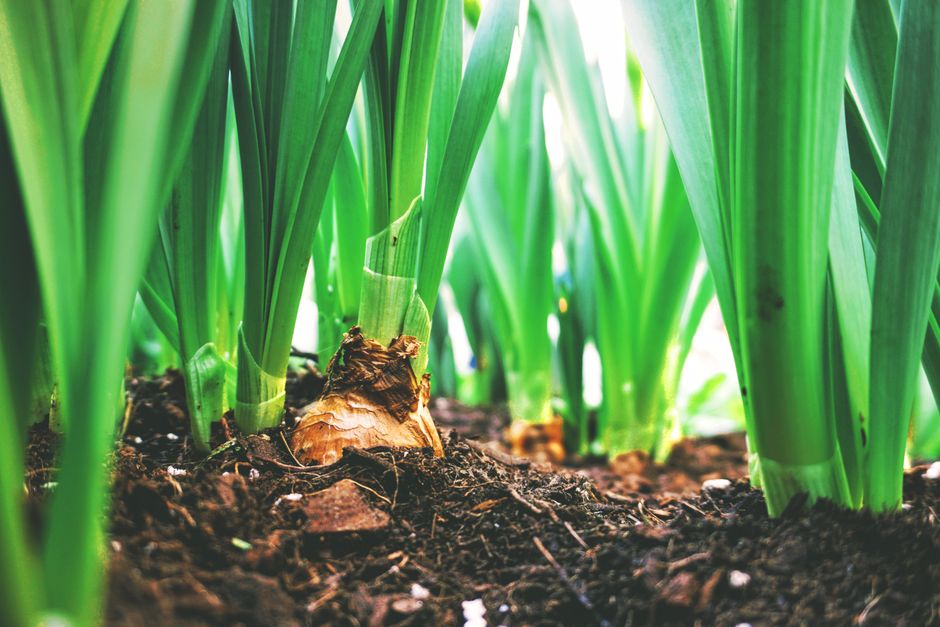
Soil Characteristics and Nutrition for Allium cepa
The cultivation of onions is a rewarding practice for any gardener, from the hobbyist to the most experienced. This bulb, essential in global gastronomy, offers the potential for efficient and sustainable production in both urban and rural gardens. Understanding its specific needs and applying appropriate techniques from sowing to harvest ensures robust and flavorful specimens, reducing reliance on the supply chain and fostering food self-sufficiency. The onion’s resilience to various climatic conditions, coupled with its long post-harvest shelf life, makes it a fundamental pillar for annual garden planning.
Onions (Allium cepa) thrive in well-drained soils with a loamy or sandy-loam texture, and an optimal pH ranging between 6.0 and 7.0. A preliminary soil analysis is crucial to identify nutritional deficiencies and adjust the soil composition, which can be done through specialized laboratories or home testing kits. Incorporating mature compost or worm castings significantly enriches the organic matter, improving soil structure and its moisture-retention capacity, both vital for the bulb’s root development. Regenerative agriculture practices, such as mulching with plant residues, contribute to soil microbial health and weed suppression, reducing the need for tilling and conserving moisture. The preparation of the seedbed should consider a depth of at least 30 cm to allow unrestricted growth, facilitating bulb expansion. For more information on soil preparation, consult resources like Infojardín.
Variety Selection and Seedling Establishment
The choice of onion variety is a determining factor, influenced by day length (photoperiod) and adaptability to the local climate. Short-day varieties are ideal for regions near the equator, while long-day varieties are suited for higher latitudes, such as southern Argentina. Propagation can be done through direct seed sowing or transplanting seedlings. Direct sowing requires a fine, uniform seedbed, with seeds sown at a depth of 1-2 cm and spaced 2-3 cm apart, in rows 20-30 cm apart. Transplanting seedlings, when they are 10-15 cm tall and pencil-thick, allows for greater control over spacing and reduces initial competition. New varieties resistant to diseases like downy mildew (Peronospora destructor), developed by institutions such as INTA, offer a significant advantage for sustainable production, especially in humid climates.
Irrigation is critical during the establishment and bulb-thickening stages. Onions require consistent moisture but without waterlogging, which can promote fungal diseases. Drip irrigation systems optimize water usage by delivering moisture directly to the root zone and minimizing evaporation, a practice increasingly implemented in urban gardens in Buenos Aires. Soil moisture sensors, a growing innovation, enable precision irrigation, adjusting water volumes according to the plant’s actual needs and preventing water stress. Regarding nutrition, onions are demanding in potassium and phosphorus for bulb development. Applying organic fertilizers rich in these elements, such as wood ash or bone meal, complements the initial compost. Integrated Pest Management (IPM) is fundamental; practices like crop rotation, intercropping with companion plants (carrots, lettuce) to repel insects, and the use of biological insecticides (e.g., Bacillus thuringiensis for thrips) minimize environmental impact and ensure healthy produce. Constant vigilance in the garden allows for early detection of problems like onion maggot (Delia antiqua) or downy mildew, enabling timely and effective intervention.
Irrigation and Fertilization Strategies for Bulb Development
Onion harvesting occurs when the leaves begin to yellow and naturally bend towards the ground, indicating that the bulb has reached physiological maturity. This process generally takes place between 90 and 150 days after sowing, depending on the variety and climate. It is crucial not to harvest prematurely, as this would affect the bulb’s quality and storage capacity. Once pulled, the onions must undergo a curing process, which involves letting them dry in the sun or in a dry, well-ventilated area for one to two weeks. This step allows the outer layers of the bulb to dry, forming a protective skin that prevents pathogen entry and reduces moisture loss, significantly extending their shelf life. Proper curing is a key factor in long-term preservation. Subsequently, the onions should be stored in a cool, dry, dark place with good air circulation. Innovations in storage, such as the use of breathable mesh bags or controlled ventilation systems, extend the availability of onions for months, contributing to domestic food security. For detailed advice on harvesting and curing, you can consult La Huertina de Toni.
Onion cultivation, from soil preparation to curing and storage, is a process that, with the application of informed and sustainable techniques, yields abundant and high-quality fruits. Integrating permaculture principles, efficient water use, and adopting varieties adapted to the local environment are pillars for a productive and resilient garden. The onion not only enriches our meals but also connects us with the natural cycles of the earth, strengthening food sovereignty and sustainability in our homes.
Related Articles
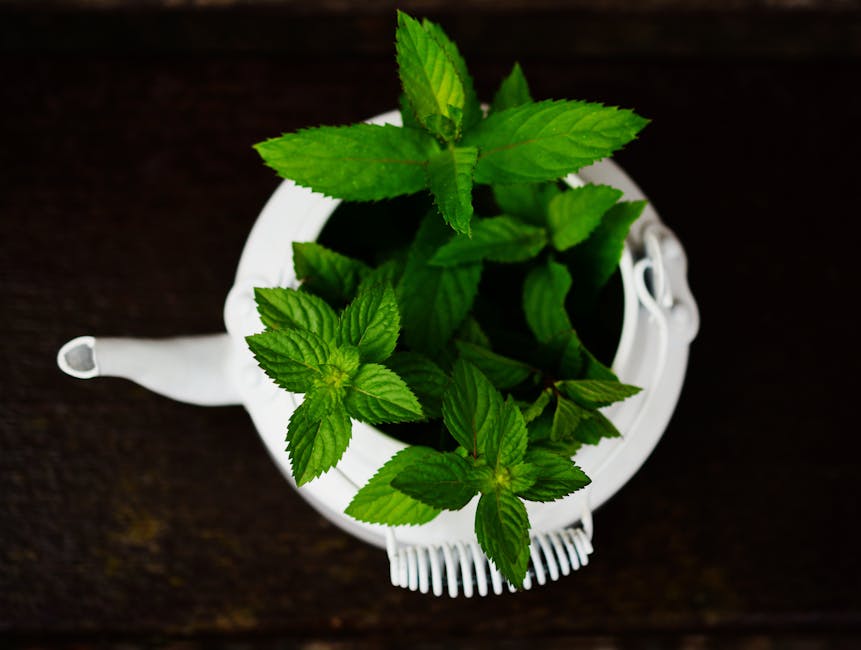
Home Aromatic Herb Garden: Cultivating, Caring for, and Preserving Fresh Herbs
Learn how to grow, maintain, and preserve aromatic herbs at home to enhance your dishes and connect with nature.

Horticulture in Bolivian Savannas: Edaphic, Hydric, and Plant Adaptation
Water management techniques, soil enrichment, and resilient species selection for horticulture in the Bolivian palm savanna.
Argentine Horticultural Planning: Climate, Soil, and Dynamic Calendars
Regional adaptation of horticultural sowing in Argentina, integrating climate, soil science, and technology for sustainable production.

Floriography: The Hidden Language of Plants and Its Application in Modern Gardening
Understand the history and meaning of floriography. Learn to use floral symbolism to enrich your garden designs and communication.