Crop Rotation for Streptomyces scabies Management in Potatoes
Implement crop rotation with cereals, legumes, and brassicas to suppress Streptomyces scabies and improve potato soil health.
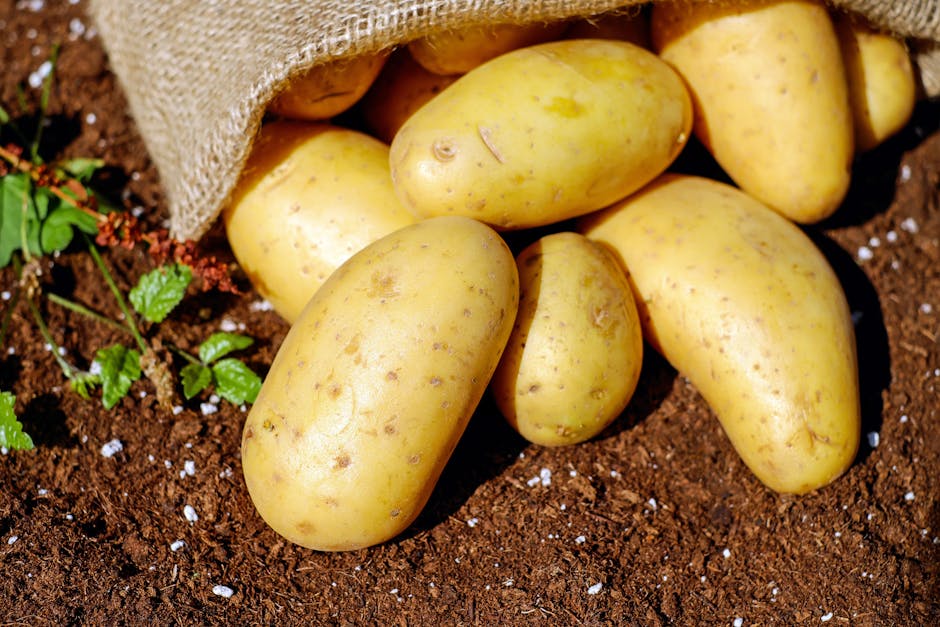
Etiology and Manifestations of Streptomyces scabies in Solanum tuberosum
The potato scab (Streptomyces scabies) presents a persistent challenge for Solanum tuberosum producers in regions such as Argentina and Latin America. This bacterial disease, which affects the quality and commercial value of the tuber, manifests with corky lesions of various shapes and depths, compromising the aesthetics and, in severe cases, the storage capacity of the potato. The pathogen, a soil-dwelling actinomycete, thrives in neutral to alkaline pH conditions and in soils with low organic matter levels, making its control complex and multifaceted. Effective management of Streptomyces scabies requires an integrated approach, where crop rotation emerges as a fundamental and sustainable strategy to mitigate its impact.
The etiology of common potato scab centers on the bacterium Streptomyces scabies, a Gram-positive microorganism that produces toxins capable of inducing abnormal cell growth on the surface of the developing tuber. The resulting lesions, ranging from superficial and netted to deep and raised, not only diminish the visual appeal of the product but can also facilitate the entry of other pathogens and increase post-harvest losses. The incidence of the disease is exacerbated by specific environmental factors, such as dry soils during the tuberization phase and pH levels above 5.2. Traditional control methods often involve the use of fungicides or soil fumigants, but these can have negative environmental impacts and do not always offer a long-term solution, in addition to raising concerns in an increasingly sustainability-conscious market. Understanding these factors is crucial for implementing effective preventive strategies that reduce reliance on external inputs.
Principles of Crop Rotation for Soilborne Pathogen Suppression
Crop rotation is an age-old agronomic practice that involves the sequential change of plant species in the same plot over time. This method disrupts the life cycle of specific soilborne pathogens, such as Streptomyces scabies, by depriving them of their preferred host. By introducing non-host crops, the pathogen population gradually decreases due to the lack of a suitable substrate for its reproduction and survival. For potato scab, it is imperative to rotate with species that are not susceptible to Streptomyces. Cereals such as corn (Zea mays), wheat (Triticum aestivum), and oats (Avena sativa) have been shown to be excellent options, as they do not act as hosts and can help reduce the inoculum load in the soil. Legumes, such as alfalfa (Medicago sativa) or clover (Trifolium spp.), are also beneficial, as they improve soil fertility by fixing nitrogen. Furthermore, some brassicas, such as mustard (Brassica juncea) or forage radish (Raphanus sativus var. oleiformis), possess biofumigant properties that can suppress soil pathogens, offering an additional layer of biological control. The key lies in a long-term rotation plan that avoids planting potatoes in the same plot for at least 3 to 5 years.
Formulating a successful rotation plan requires considering soil type, local climate, water availability, and market demands. An effective rotation sequence for potatoes might include: Potato → Corn → Clover → Wheat → Potato. This sequence introduces a diversity of crops with different nutritional needs and life cycles, which not only control scab but also optimize soil health. The inclusion of cover crops (such as vetch or rye) between cash crops is a growing trend in regenerative agriculture, as these improve soil structure, increase organic matter, and suppress weeds, contributing to a more resilient ecosystem. The integration of green manures, which are crops incorporated into the soil to improve its fertility, also enhances this strategy. Currently, precision agriculture offers innovative tools; agricultural software and applications allow producers to plan rotations based on historical soil analyses, climate data, and predictive disease models. Recent studies by INTA (National Agricultural Technology Institute) in Argentina, for example, investigate the effectiveness of different rotation sequences in the Pampas soils, demonstrating the benefits of integrating winter cereals and legumes for disease suppression and productivity improvement. Learn more at INTA.
Designing Agronomic Sequences and Planning Tools
Although crop rotation is fundamental, its effectiveness is maximized when combined with other management practices. Soil pH management is crucial; maintaining slightly acidic pH (between 5.0 and 5.2) can inhibit the development of Streptomyces scabies. This can be achieved by incorporating elemental sulfur or organic matter, such as compost, which also enriches the soil. Proper irrigation management, avoiding drought periods during tuber initiation and development, also reduces potato vulnerability. While potato varieties resistant to scab are limited, selecting those with some degree of tolerance can be beneficial. Advances in soil microbiome research are opening new avenues for pathogen control. The use of beneficial microorganisms and biostimulants that can compete with Streptomyces scabies or induce plant resistance is being explored. Agroecology and permaculture promote biodiversity in the agroecosystem, which naturally strengthens soil health and crop resilience. New research also focuses on the allelopathic properties of certain cover crops, which release compounds capable of suppressing pathogens. This holistic approach, integrating rotation with soil health practices and biotechnology, represents the future of sustainable potato scab management.
Crop rotation is consolidated as an indispensable strategy in sustainable potato production. Its implementation not only contributes to the effective control of scab but also promotes overall soil health, reduces reliance on chemical inputs, and fosters biodiversity in the agroecosystem. Adopting these practices, complementing them with intelligent pH and irrigation management, and exploring innovations in soil microbiology is essential to ensure the long-term viability of potato crops and the sustainability of agricultural activity in our region. Investing in these practices is an investment in the future of agriculture.
Related Articles

Managing Manganese Deficiency in Lettuce: Diagnosis, Factors, and Correction
Identify symptoms, soil, and environmental factors limiting manganese in lettuce, and detail foliar, soil, and varietal correction strategies.

Organic Composting: Biochemical Processes, Parameters, and Soil Improvement
Analyzes biochemical composting principles, optimizes physicochemical parameters, and assesses its impact on soil structure and biodiversity.

Trap and Decoy Plants: Biological Pest Control in Sustainable Horticulture
Using specific plants to attract beneficial insects and deter pests, enhancing biodiversity and resilience in gardens and crops.

Propagation, Management, and Ecological Applications of Baccharis salicifolia
Explore propagation, environmental needs, plant health, and ecological value of Baccharis salicifolia for restoration and biodiversity.