Container Mango: Varieties, Substrate, Nutrition & Urban Health
Adapting Mangifera indica in pots: dwarf selection, draining substrates, balanced nutrition, and urban production phytosanitary management.

Compact Variety Selection and Container Design
Cultivating fruit trees in limited spaces is a growing trend in urban horticulture. Among the most rewarding options, potted mango (Mangifera indica) offers the possibility of enjoying this tropical fruit, even on patios or balconies. This practice not only beautifies the environment but also promotes food self-sufficiency. Adapting specific varieties and applying appropriate techniques allow this tree, native to warm regions, to thrive far from its natural habitat, transforming urban corners into small productive oases.
The choice of mango variety is a determining factor for successful container cultivation. Dwarf or semi-dwarf varieties, such as ‘Irwin’, ‘Cogshall’, or ‘Nam Doc Mai’, are prioritized due to their more compact growth and better adaptation to containers. These varieties typically start fruiting earlier and are manageable in height.
The container size directly influences root development and the plant’s ability to absorb nutrients. It is recommended to use pots of at least 50-60 liters capacity for a mature specimen, made from breathable materials like terracotta, or durable plastics with ample drainage holes to prevent waterlogging.
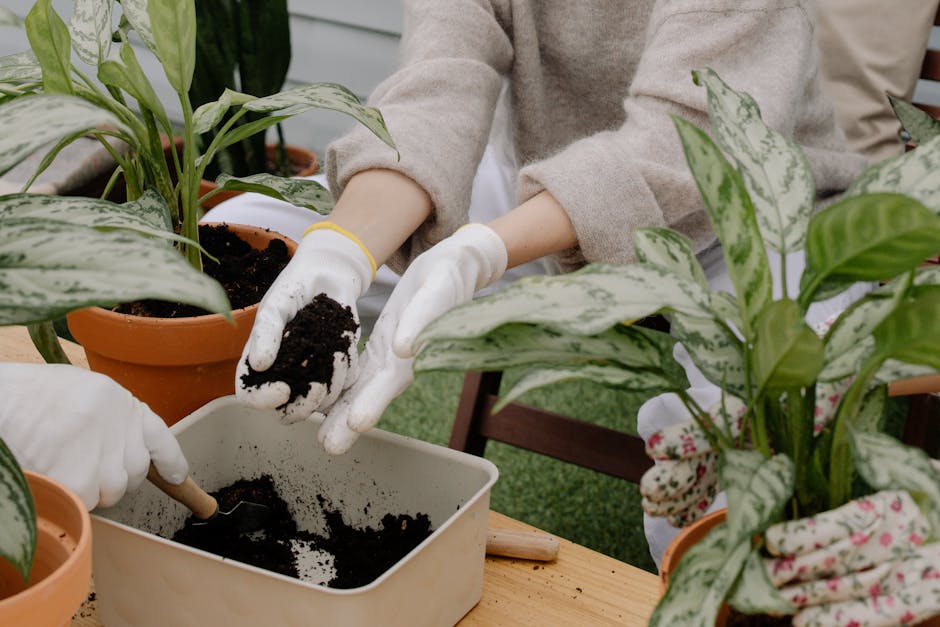
The substrate composition is crucial. An ideal substrate for potted mangoes should be well-drained, fertile, and slightly acidic (pH between 6.0 and 7.0). A balanced mix could include good quality topsoil, mature organic compost, and perlite or coarse sand to improve aeration and drainage. Incorporating organic matter enriches the medium, providing slow-release nutrients. Proper substrate preparation from the start prevents future problems related to nutrition and root health. For more on preparing substrates for potted fruit trees, consult specialized resources like La Huertina de Toni: https://lahuertinadetoni.es/sustrato-para-frutales/.
Formulating Draining Substrates and Nutritional Supplies
Mango is a tropical species that demands specific environmental conditions for its optimal development and fruiting. Full sun exposure is essential; the plant requires a minimum of 6 to 8 hours of direct sunlight daily for efficient photosynthesis and quality fruit production. In regions with cold winters, it is crucial to protect the pot from extreme cold and frost by moving it to a bright indoor location or using thermal covers.
Watering management is critical. While mangoes need consistent moisture, excess water can lead to root rot. Deep watering is recommended when the top layer of the substrate feels dry to the touch, adjusting frequency based on the season and evaporation. Adequate drainage in the pot is vital to prevent stagnation. Using soil moisture sensors represents a useful innovation for optimizing water efficiency, a practice increasingly valued in sustainable urban agriculture.
Nutrition is a fundamental pillar. Potted mangoes quickly deplete substrate nutrients. A regular fertilization program with a balanced fertilizer (NPK) during the active growing season is advised, reducing frequency in winter. The inclusion of micronutrients like iron, zinc, and manganese is essential. Organic amendments, such as worm castings or seaweed extracts, not only provide nutrients but also improve substrate structure and biological activity, aligning with regenerative agriculture trends. For more on the nutrition of potted fruit trees, consult specialized blogs like La Huertina de Toni: https://lahuertinadetoni.es/nutricion-para-arboles-frutales-en-maceta/.
Pruning is an essential practice to maintain the compact shape of potted mangoes, stimulate branching, and encourage fruit production. Formative pruning is done in the early years to establish a strong structure with 3-4 main branches. Subsequently, annual maintenance pruning removes dead, diseased, or inward-growing branches, improving air circulation and light penetration. This intervention is preferably done after harvest.
Light Requirements and Efficient Watering Strategies
Phytosanitary control is vital for plant health. Common pests include scale insects, aphids, and fruit flies. Fungal diseases like anthracnose can affect leaves, flowers, and fruits, especially in high humidity conditions. Implementing Integrated Pest Management (IPM) is the most effective strategy, combining cultural practices (hygiene, pruning), biological controls (introduction of beneficial insects), and, if necessary, organic pesticides. Constant plant monitoring allows for early detection of problems. Recent studies explore the use of mango varieties with greater genetic resistance to diseases, a significant advancement in crop resilience against climate change.
Prevention is the best tool. Keeping the plant well-nourished, with adequate watering and in a ventilated environment, strengthens its natural resistance to pathogens and pests. Permaculture, with its emphasis on observation and designing resilient systems, offers valuable principles for the sanitary management of fruit trees in small spaces. For information on pest management in fruit trees, INTA (Argentina’s National Agricultural Technology Institute) offers valuable resources: https://inta.gob.ar/documentos/manejo-integrado-de-plagas-en-frutales.
Determining the optimal time for harvesting potted mangoes requires observation. Maturity indicators include a change in skin color (from green to yellow, orange, or red, depending on the variety), a sweet, characteristic aroma emanating from the fruit, and a slight softness to the touch. It is crucial not to harvest mangoes too early, as they will not fully develop their flavor and sweetness.
Harvesting should be done carefully, cutting the fruit’s peduncle with clean pruning shears, leaving a small piece of stem. This minimizes damage to the fruit and reduces sap exudation, which can irritate the skin and affect quality. Mangoes can ripen at room temperature after harvest, a process that can be accelerated by placing them alongside other fruits that produce ethylene, such as apples or bananas.
Sanitary Management and Structural Pruning Techniques
The shelf life of harvested mangoes varies. Ripe fruits can be refrigerated for a few days to extend their usability, although extreme cold can affect their texture and flavor. Processing into juices, jams, or dried fruit are excellent options for utilizing the harvest. Current trends in urban agriculture promote the valorization of local production and responsible consumption. Technology plays an increasing role; mobile applications and smart sensors allow urban horticulturists to monitor their plants’ status and optimize harvest times, integrating into a ‘smart gardening’ ecosystem. This approach maximizes efficiency and sustainability, pillars of future agriculture. For more details on mango harvesting and post-harvest handling, consult fruit production guides: https://www.frutas.com/frutas/mango/.
Container mango cultivation, while challenging, is an enormously rewarding experience that brings tropical nature into urban environments. Through careful selection of varieties, meticulous substrate preparation, precise environmental and nutritional management, and constant attention to pruning and plant health, it is possible to obtain abundant, high-quality harvests. This practice not only enriches personal space but also contributes to sustainability and connection with natural cycles, a fundamental pillar of modern horticulture. Integrating innovations and committing to responsible practices ensure the success and longevity of this beautiful fruit tree in our homes.
Related Articles

Strawberry Cultivation on Balconies: Varieties, Substrates, and Sustainable Management
Guide to growing strawberries in small urban spaces, covering variety selection, site needs, substrate, watering, pest control, propagation, and harvesting.
Jabuticaba in Pots: Selection, Management & Fruiting
Optimizing potted jabuticaba cultivation: cultivar selection, substrate, watering, pruning, and pest control for production in small spaces.

Vertical Horticulture: Systems, Species, and Management for Urban Environments
Exploring vertical horticulture systems, species selection, and management strategies for food production in cities.

Agronomic Management of Capsicum Crops: Soil, Variety, Nutrition, and Irrigation
Enhance pepper and chili yields with soil analysis, varietal selection, precise nutrition, and efficient irrigation. Strategies for Latin America.