Optimizing Raised Beds for Spring Planting: Soil Evaluation and Morphology
Preparing raised beds with soil analysis, organic amendments, morphological design, and mulching for peak plant health and yield.
Soil Evaluation and Organic Amendments for Soil Fertility
The arrival of spring ignites enthusiasm in every gardener and horticulturalist, marking the beginning of a new cycle of planting and growth. To ensure the success of future harvests, meticulous preparation of raised beds is a fundamental step that lays the groundwork for vigorous plant development and abundant production. Beyond simply turning the soil, this involves a comprehensive strategy that considers soil health, water efficiency, and long-term sustainability. This proactive approach not only optimizes yield but also fosters a more resilient and productive garden ecosystem, adapted to changing conditions and the essential regenerative agriculture practices of today.
Analyzing soil properties is the critical first step in preparing raised beds. Understanding the substrate’s composition, texture (sandy, silty, clayey), and pH allows for precise and effective application of organic amendments. A balanced soil is the backbone of any successful crop, promoting nutrient absorption and root development. Simple techniques, such as the hand-feel test for texture, offer an initial approximation, which can be supplemented with pH testing kits for greater accuracy. Once characteristics are identified, incorporating organic matter becomes a priority. Mature compost, vermicompost (worm castings), and green manures are excellent options. These amendments improve soil structure, increase its water and nutrient retention capacity, and stimulate microbial activity, a cornerstone of natural fertility. Currently, revitalizing soil microbiota is recognized as a key trend in sustainable horticulture, promoting crop resilience against pathogens and environmental stress. For a deeper understanding of the importance of organic matter, specialized resources such as those available at Infojardín can be consulted.
Raised Bed Morphology and Spatial Optimization for Crop Management
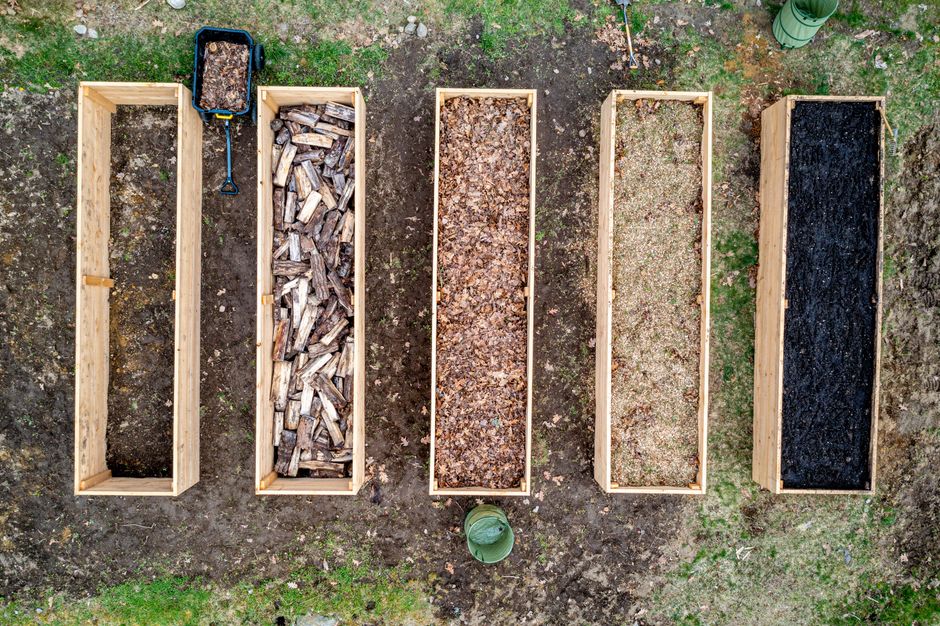
The choice and design of raised bed structure directly impact space management, drainage, and the prevention of soil compaction. Raised beds (or grow boxes) are a popular option in urban agriculture and for soils with drainage issues, as they allow for complete control over substrate composition and facilitate access for work. Their modular design can even integrate automated drip irrigation systems, an innovation that optimizes water use. On the other hand, the no-dig method of raised bed creation is gaining ground for its benefits in conserving soil structure and promoting microbial life. This method involves layering organic matter (cardboard, straw, compost) directly onto the ground without tilling, mimicking natural soil formation processes in forests. This practice aligns perfectly with the principles of permaculture and regenerative agriculture, reducing soil disturbance and fostering a more robust ecosystem. La Huertina de Toni offers detailed information on this practice on their blog. The configuration of raised beds should also consider sun exposure and crop rotation, fundamental practices for preventing nutrient depletion and the proliferation of specific pests.
Once the soil is enriched and the raised bed structure is defined, surface preparation for planting is crucial. Creating a fine, uniform seedbed facilitates germination and seedling establishment. This involves gently breaking up the top layer of soil and leveling it. Subsequently, applying mulch presents itself as an indispensable technique. Mulching involves covering the soil surface with organic materials such as straw, dry leaves, shredded prunings, or even compost. This protective layer offers multiple advantages: it conserves soil moisture, reducing the need for irrigation; it suppresses weed growth, decreasing competition for nutrients; and it moderates soil temperature, protecting it from extreme fluctuations. Furthermore, as the mulch decomposes, it adds additional organic matter to the soil, progressively enriching it. In the context of climate change, where efficient water management is paramount, mulching has become a cornerstone of water resilience strategies. Experimenting with living mulches, i.e., low-growing cover crops that do not compete with main crops, represents a promising innovation for enhancing biodiversity and soil health. Planting companion plants, such as marigolds or borage, among the main crops can also contribute to the overall health of the raised bed, naturally attracting pollinators and repelling pests.
Surface Stratification and Organic Mulching for Water Conservation
Conscious preparation of raised beds for spring planting is an investment in the future of the garden. By adopting techniques that prioritize soil health, water efficiency, and the integration of sustainable practices, gardeners not only ensure more abundant and healthier harvests but also contribute to a more environmentally friendly model of agriculture. This holistic approach, informed by current advancements and trends, transforms the garden into a space of continuous growth, both for the plants and for those who cultivate them, anticipating challenges and embracing the opportunities that each new season brings. A well-prepared raised bed is a testament to a commitment to productivity and sustainability.
Related Articles

Home Greenhouses: Structure, Environmental Control, and Sustainable Cultivation
Implementing home greenhouses: material selection, assembly techniques, and microclimate control for optimized agricultural production.
Legumes in Sustainable Agriculture: Soil Improvement, Nutrition, and Climate Resilience
Strategies for legume cultivation: soil prep, planting, water management, pest control, and rotation for optimal yield and sustainability.

Urban Organic Gardening: Design, Nutrition, and Biological Control for the Home
Enhance your home garden with spatial design, biological soil management, and natural pest control for fresh, sustainable food.

Manage Plant Transplants Under Heat Stress: Prep, Techniques, Care
Acclimation strategies, optimal transplant timing, and post-planting care for plant survival in high temperatures.