Bonsai Cultivation, Styling, and Health Principles
Details pruning, wiring, substrates, water management, nutrition, and health for harmonious bonsai development in Latin American climates.
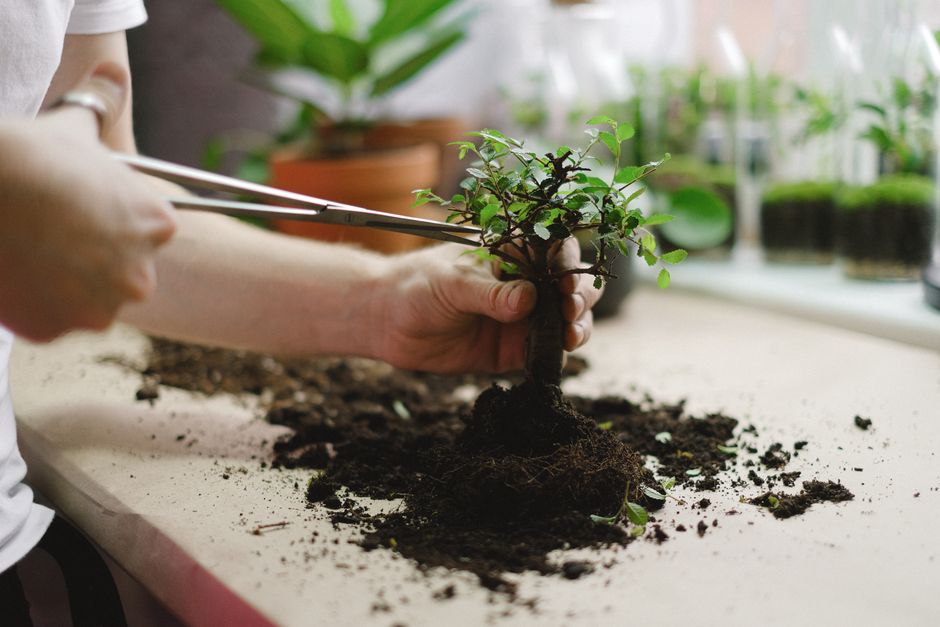
Principles of Pruning and Wiring for Sculptural Form
Bonsai cultivation represents a profound connection with nature, transforming miniature trees through precise horticultural techniques and considerable patience. This ancient practice, which fuses botanical principles with an aesthetic vision, demands a detailed understanding of the plant’s physiological needs and the application of specific methods for its harmonious development. Exploring essential methodologies allows enthusiasts to achieve sculptural forms and maintain the vitality of their specimens, adapting to the climatic conditions of regions such as Argentina and Latin America.
The aesthetic shaping of bonsai is based on pruning and wiring, interventions that direct growth and define the desired silhouette. Structural pruning removes unwanted branches, balances the canopy, and encourages fine branching. This process is crucial for maintaining the tree’s proportion and health. Maintenance pruning, performed throughout the year, controls vigor and foliage density. Specialized tools, such as concave cutters, facilitate clean cuts that promote efficient healing.
Wiring, on the other hand, uses anodized aluminum or annealed copper wire to position branches and the trunk. Correct wire application prevents bark damage, allowing the branch to set in its new orientation. It is essential to remove the wire before it bites into the bark, generally by observing its tension and the branch’s thickening. Pinching techniques, which involve removing tender shoots, are vital for stimulating secondary branching and reducing leaf size, contributing to the overall miniaturization of the bonsai. The choice of styling technique depends on the tree species and the desired bonsai style, from chokkan (formal upright) to kengai (cascade).
Analysis of Substrates and Water Management for Root Vitality
Substrate composition is a determining factor for bonsai health, directly influencing moisture retention, aeration, and drainage. An ideal substrate must be porous, allow air circulation in the root system, and ensure rapid drainage to prevent root rot. Components such as akadama (Japanese granular clay), kiryuzuna (volcanic sand for conifers), and pumice are widely used for their physical properties. The combination of these materials is adjusted according to the species and local climate, with proportions varying for conifers or deciduous trees, and for more humid or drier climates.
Water management requires constant observation. Watering should be thorough, allowing water to drain from the drainage holes, but only when the substrate surface begins to dry. Excess moisture is as detrimental as extreme drought. Water quality, preferably rainwater or dechlorinated tap water, also impacts the tree’s health. In temperate climates like Buenos Aires, watering frequency can vary significantly between summer and winter. The implementation of drip irrigation systems with moisture sensors represents an innovation for optimizing water consumption and ensuring precise hydration, especially in large collections.
Proper fertilization is essential for the vigorous development of bonsai, compensating for the limited nutrients in a reduced substrate volume. The nutrition strategy must consider the plant’s growth phases. During budding and active growth, fertilizers with a higher proportion of nitrogen (N) are applied. In the maturation and winter preparation phase, fertilizers with high phosphorus (P) and potassium (K) content are prioritized, strengthening the root system and resistance. Organic fertilizers, such as rapeseed meal or fish emulsion, release nutrients slowly and improve substrate structure. Chemical fertilizers, applied with caution and appropriate dilution, offer more precise control over nutrient concentration. It is crucial to avoid over-fertilization, which can burn the roots.
Fertilization Regimens and Specific Plant Nutrition
Micronutrient deficiencies or excesses, although needed in small amounts (iron, zinc, manganese), can manifest in foliar symptoms. Foliar or substrate analysis, while not a common practice for hobbyists, can identify nutritional imbalances. Current trends promote the use of slow-release fertilizers and organic amendments that encourage beneficial microbial activity in the substrate, contributing to more sustainable and balanced nutrition.
Bonsai health is fundamental to its longevity and beauty. Prevention is the most effective strategy against pests and diseases. Good ventilation, adequate light exposure, and correct watering reduce the likelihood of attacks. Regular inspection of leaves, stems, and roots allows for early detection of problems. Among the most common pests are aphids, scale insects, spider mites, and whiteflies. Fungal diseases, such as powdery mildew or rust, often appear in conditions of high humidity or poor air circulation.
Integrated Pest Management (IPM) is a modern approach that selectively combines biological, cultural, and chemical methods. The use of organic or low-toxicity insecticides and fungicides is preferable to minimize environmental impact and preserve biodiversity. In cases of severe infestation, specific chemical products can be applied, always following the manufacturer’s instructions. Quarantine of new specimens before introducing them to the collection is an essential practice to prevent the spread of pathogens. Research into new tree varieties resistant to local diseases also represents a trend in species selection for bonsai, adapting to the challenges of climate change.
Plant Health Strategies: Pest and Disease Prevention
Bonsai cultivation is a continuous journey of learning and observation. Applying these techniques, combined with adaptation to the specific conditions of each region, from the Pampas winds to subtropical humidity, allows enthusiasts in Argentina and the rest of Latin America to develop specimens that are a testament to the harmony between human intervention and nature’s resilience.
Related Articles
Orchids at Home: Substrates, Light, Humidity, and Nutrition for Successful Blooming
Enhance orchid development with airy substrates, indirect light, controlled humidity, and balanced nutrition for lush flowering.

Unlock Your Edible Garden: Master Home Oyster Mushroom Cultivation
Understand the simple joy of growing delicious oyster mushrooms at home with this comprehensive guide, perfect for urban gardeners and food enthusiasts.

Master Homemade Compost: Turn Waste into Garden Gold and Boost Your Harvests!
Understand the secrets to creating nutrient-rich homemade compost from kitchen and garden waste, transforming your soil and boosting plant growth sustainably.
Cut Flowers: Selection and Cultivation for Long-Lasting Arrangements
Learn how to select and cultivate the best cut flowers for enduring bouquets using effective growing and harvesting techniques.