Molybdenum in Lettuce: Physiology, Diagnosis, and Regional Nutritional Management
Diagnosing molybdenum deficiency in lettuce: understanding visual indicators, the role of soil pH, and effective foliar and hydroponic remediation techniques.
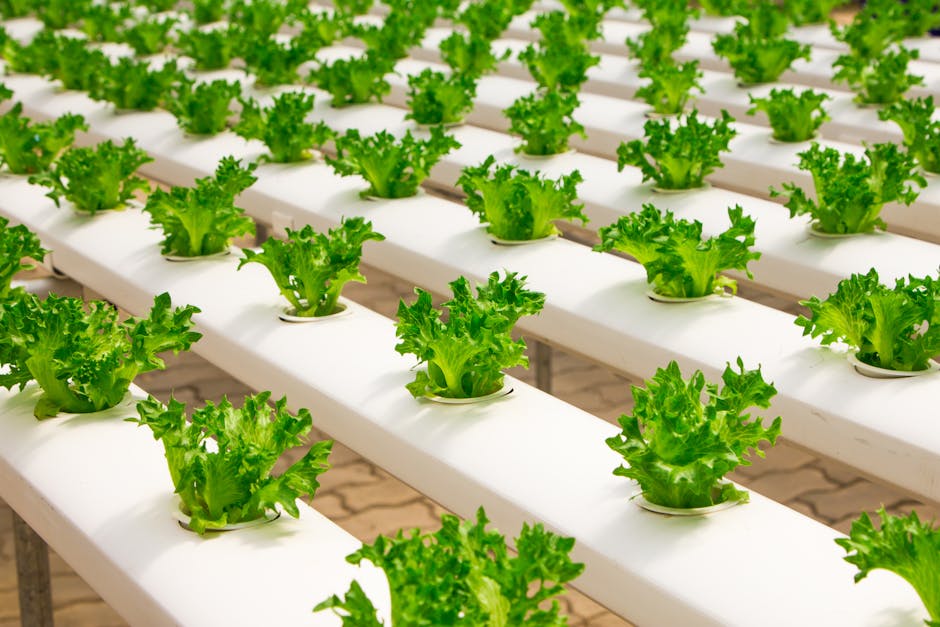
Enzymatic Role of Molybdenum in Nitrate Assimilation
Lettuce production, a fundamental crop in the global and local diet, relies on a precise balance of nutrients. Among these, molybdenum (Mo), an essential micronutrient, plays an often underestimated but critical role. Its deficiency can severely impact plant development, affecting both the quality and final yield of the harvest. Understanding its function and how to manage its availability in the soil is key for horticulturists in the region, from the urban gardens of Buenos Aires to the productive expanses of the interior. This analysis delves into the causes, symptoms, and strategies for managing molybdenum deficiency in lettuce, incorporating the latest trends in nutritional management.
The molybdenum is an indispensable enzymatic cofactor for several metabolic processes in lettuce. Its most prominent participation is in the nitrate reductase enzyme, which catalyzes the reduction of nitrates to nitrites, a fundamental step in nitrogen assimilation. Without sufficient molybdenum, the plant cannot effectively utilize available soil nitrogen, even if it is abundant. Furthermore, it is involved in protein synthesis and symbiotic nitrogen fixation in legumes, although in lettuce, its role in nitrate assimilation is paramount. A deficiency directly interrupts the plant’s ability to grow and develop healthily.
Molybdenum deficiency in lettuce manifests with characteristic visual symptoms. Generally, older leaves are the first to show signs of chlorosis (yellowing) or necrosis at the margins, which can progress towards the center of the leaf. Leaves may become deformed, appearing narrow, curled, or with burnt edges. Overall plant growth is stunted, and head formation can be poor or nonexistent. These symptoms are often confused with nitrogen deficiencies, underscoring the importance of accurate diagnosis.
Visual Diagnosis and Molybdenum Availability Factors
Prevention begins with a detailed soil analysis. Unlike other micronutrients, molybdenum availability increases with soil pH, being more accessible in slightly acidic to neutral soils (pH 6.0-7.0) and decreasing drastically in acidic soils. In many regions of Latin America with naturally acidic soils, such as certain areas of the Humid Pampas or volcanic soils, molybdenum deficiency is more likely. Incorporating organic matter and liming (application of calcium carbonate to raise pH) are effective preventive practices.
Once a deficiency is identified, several strategies exist to correct it. Foliar application of molybdenum salts, such as sodium molybdate or ammonium molybdate, is the fastest and most efficient method to correct deficiency in lettuce. Dosages must be precise, as an excess of molybdenum can induce copper deficiencies. Applications are generally performed in the early stages of cultivation.
For long-term management, correcting soil pH through liming is fundamental. In precision agriculture systems, constant monitoring of soil pH and localized application of amendments are practices that optimize nutrient availability. In hydroponic and aeroponic systems, increasingly popular in urban and intensive production environments, controlling the nutrient solution allows for extremely accurate adjustment of molybdenum concentrations, avoiding deficiencies and excesses.
Foliar Correction and Nutrient Solution Adjustments
Current trends in regenerative and sustainable agriculture also offer innovative approaches. Improving soil health through crop rotation, the use of green manures, and promoting microbial biodiversity can enhance the natural availability of micronutrients, including molybdenum. Recent studies suggest that certain biostimulants, containing organic complexes and beneficial microorganisms, can improve molybdenum uptake by plants, even in suboptimal soil conditions.
Molybdenum management in lettuce not only seeks to maximize yield but also to promote sustainable agricultural practices. Optimizing plant nutrition reduces the need for external inputs and minimizes environmental impact. In Argentina and other Latin American countries where lettuce production is significant, implementing regular soil analyses and using slow-release or chelated molybdenum sources can be key to efficient management. The University of Buenos Aires and INTA (National Agricultural Technology Institute) have conducted research on micronutrient availability in regional agricultural soils, offering valuable information for local producers.
Controlling molybdenum deficiency in lettuce is a technical aspect of horticulture that demands attention and knowledge. From early symptom identification to the application of correction and prevention strategies, each step is vital to ensure a successful and sustainable harvest. Integrating pH management practices, precise foliar applications, and leveraging innovations in precision agriculture and biostimulants allows horticulturists to optimize crop health and contribute to more resilient and efficient food production. For more information on nutrient management, you can consult resources from the FAO https://www.fao.org/ or local institutions like INTA https://www.inta.gob.ar/.
Related Articles
Fruit Trees at Home: Essential Practices for Abundant and Healthy Harvests
Improve the health and productivity of your fruit trees with sustainable selection, pruning, nutrition, and irrigation techniques.

Integrated Management of Lettuce Downy Mildew (*Bremia lactucae*)
Cultural, genetic, biological, and technological strategies to control lettuce downy mildew, minimizing environmental impact and ensuring harvests.

Iris Cultivation Optimization: Soil Analysis, Propagation, and Water Management
Soil component analysis, rhizome propagation methods, and water/nutrient management for successful iris cultivation in diverse environments.

Design and Management of Home Greenhouses for Sustainable Urban Agriculture
Comprehensive analysis of construction, materials, environmental control, and maintenance of domestic greenhouses for optimizing horticultural production.