NFT: Principles, Operation & Controlled Horticulture Applications
Optimizing hydroponic cultivation with NFT: principles, components, solution management, suitable crops, and food resilience.
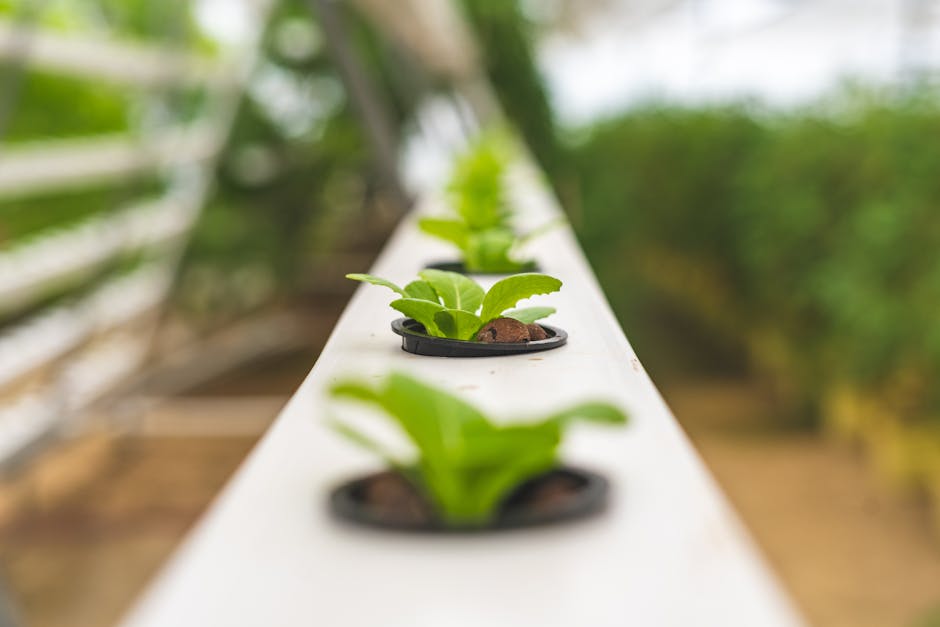
Principles of Flow and Oxygenation in NFT Channels
Food production in controlled environments represents a fundamental strategy for addressing global food security challenges. Among various hydroponic methodologies, the Nutrient Film Technique (NFT) stands out for its efficiency and particular suitability for high-density cultivation systems. This approach, which utilizes a thin layer of circulating nutrient solution, optimizes root access to nutrients and oxygen, promoting vigorous plant growth and sustained production. Its application ranges from small urban gardens to large-scale commercial operations, offering a robust alternative to traditional soil-based cultivation methods.
The NFT system operates on a simple yet highly effective principle: plant roots develop in a slightly inclined channel through which a thin film of nutrient solution continuously flows. This film, approximately 1-3 mm deep, ensures that the roots receive a constant supply of water, essential minerals, and, crucially, oxygen. A portion of the roots remains exposed to the air within the channel, facilitating root respiration, a determining factor for plant health and development. The recirculation of the nutrient solution from a central reservoir minimizes water and fertilizer consumption, positioning NFT as a highly sustainable option. This inherent design reduces the need for substrates, simplifying management and lowering long-term operational costs.
Essential Components of an NFT System
The implementation of an NFT system requires the integration of several key elements for optimal functioning. Cultivation channels, typically made of food-grade PVC or polypropylene, house the plants and direct the solution flow. A nutrient solution reservoir stores and conditions the water and fertilizers. A submersible pump circulates the solution from the reservoir to the upper end of the channels, while a return pipe channels it back to the reservoir, closing the circuit. It is crucial that the channels have a constant slope (typically between 1:30 and 1:40) to ensure uniform flow and prevent stagnation, which could compromise root oxygenation and nutrient distribution. Selecting materials resistant to UV degradation and chemically inert is vital for the system’s durability and safety.
Nutrient Solution Management and Monitoring
Structural Components and Materials for NFT Systems
The composition and balance of the nutrient solution are critical aspects in NFT. Specific formulations are used, varying according to the plant species and its growth stage, including macronutrients like nitrogen, phosphorus, and potassium, and essential micronutrients. Constant monitoring of the solution’s pH and electrical conductivity (EC) is indispensable. The optimal pH for most hydroponic crops is between 5.5 and 6.5, crucial for nutrient absorption. EC, on the other hand, indicates the total concentration of dissolved salts, reflecting nutrient availability. Digital pH and EC meters allow for precise adjustments by adding acids/bases or concentrated nutrient solutions. Solution temperature also influences absorption and oxygenation, with a range of 18-22°C generally being ideal.
Selection of Suitable Crops for NFT
The NFT technique is particularly well-suited for growing plants with fibrous root systems and rapid growth. Leafy greens such as lettuce, spinach, chard, and arugula, as well as aromatic herbs (basil, mint, cilantro) and strawberries, are examples of crops that thrive in these systems. The root structure of these plants adapts well to the nutrient film, preventing channel blockages. Crops with bulky or tuberous roots, like potatoes or carrots, are generally not recommended for NFT due to their potential to block flow and reduce oxygenation.
Operational and Environmental Benefits
The adoption of NFT systems offers multiple advantages. Water efficiency is remarkable, with water savings potentially exceeding 90% compared to traditional agriculture, a critical factor in water-stressed regions. Crop cycles are shorter, allowing for more harvests per year and a significant increase in productivity per unit area. The absence of soil reduces the incidence of soil-borne diseases and minimizes the need for pesticides. Furthermore, NFT facilitates process automation, such as irrigation and fertilization, reducing labor requirements. Its modular design allows for space optimization, making it ideal for urban and vertical agriculture, a growing trend in cities like Buenos Aires and other Latin American metropolises.
Physicochemical Parameters of the Nutrient Solution
Technical Considerations and Solutions
Despite its advantages, NFT systems present specific challenges. An interruption in the electrical supply that stops the pump can lead to rapid root dehydration, given the absence of a moisture-retaining substrate. Root saturation, especially in long-duration crops or with inadequate management, can clog channels and impede solution flow. Mitigation strategies include implementing backup power systems, designing channels appropriately to allow air space for roots, and regular system cleaning. Ambient temperature control is also crucial to prevent overheating of the nutrient solution, which could reduce dissolved oxygen and favor pathogen growth.
Integration with Emerging Technologies
The NFT technique is evolving with the incorporation of cutting-edge technologies. IoT (Internet of Things) sensors enable real-time monitoring of parameters such as pH, EC, temperature, and dissolved oxygen levels, facilitating automatic and precise adjustments to the nutrient solution. Automated dosing systems with artificial intelligence algorithms optimize nutrient delivery based on specific plant needs and environmental conditions. Integration with renewable energy sources, such as solar panels, reduces the carbon footprint of NFT operations, promoting sustainability. These innovations are key to the scalability and efficiency of NFT systems in precision agriculture.
Vertical NFT and Urban Food Resilience
Crop Adaptability and Root Limitations in NFT
The application of NFT in vertical farms represents one of the most promising trends in urban agriculture. These multi-layer systems maximize space utilization in densely populated areas, enabling local production of fresh food with minimal environmental impact. Cities in Latin America are actively exploring these solutions to enhance food resilience and reduce reliance on long supply chains. Advances in adjustable-spectrum LED lighting, combined with NFT, allow for precise control over plant growth and morphology, adapting to different species and production objectives.
Research into Plant Varieties and Sustainability
Current research focuses on developing new plant varieties specifically adapted to hydroponic systems like NFT, aiming to improve nutrient absorption efficiency, disease resistance, and tolerance to variable environmental conditions. Alternative nutrient sources and the viability of organic NFT systems, using bioproducts and natural fertilizers, are also being explored. These developments point towards greater sustainability and diversification of soilless cultivation options.
The Nutrient Film Technique (NFT) is consolidating as a high-yield hydroponic methodology, essential for 21st-century food production. Its capacity to optimize resource use, its adaptability to diverse environments, and its integration with innovative technologies position it as a key tool for sustainable agriculture and food security. From domestic gardens to complex vertical farms, NFT offers a viable path to cultivating fresh, nutritious, and efficiently produced food, contributing to the resilience of our urban and rural food systems.
Related Articles

Arazá (*Psidium cattleyanum*): Cultivation, Management, and Agribusiness Potential
Arazá evaluation: edaphoclimatic requirements, propagation, sustainable agronomic management, and agribusiness potential for production diversification.

Elevate Your Cuisine: Cultivating a Thriving Home Herb Garden
Understand the joy of fresh flavors! Learn how to grow essential culinary herbs at home, from planting to harvesting, for vibrant dishes.
Legumes in the Home Garden: Sustainable Cultivation and Nutritional Benefits
Learn to grow legumes like beans, peas, and lentils to enhance your diet and garden soil fertility.

Home Medicinal Garden: Selection, Sustainable Management, and Conservation of Key Species
Growing medicinal plants at home: species selection, propagation techniques, horticultural management, and conservation for holistic well-being.