Biological Aphid Control for Roses: Natural Agents & Beneficial Fauna
Strategies for defending rose bushes against aphids using natural enemies and creating habitats for beneficial insects.
Identifying Aphids and Their Lifecycle on Rosaceae
The presence of aphids on rose bushes presents a common challenge for gardening enthusiasts, impacting the vitality and bloom of these cherished plants. Addressing this pest with sustainable methods is fundamental for maintaining long-term garden health. Biological control offers an effective and ecological alternative, integrating nature itself as an ally in protecting rose bushes. This practice not only reduces reliance on chemical products but also fosters a more balanced and resilient ecosystem, benefiting local biodiversity and promoting gardening that is more harmonious with the environment.
Biological control is defined as the use of living organisms to reduce pest populations to acceptable levels, without eradicating them completely. In the context of rose bushes, typically cultivated for their ornamental value and fragrance, preserving their aesthetic is paramount. Aphids are small insects that feed on plant sap, weakening them and causing deformities in leaves and buds, in addition to secreting honeydew which promotes sooty mold. Implementing biological control involves introducing or encouraging the presence of natural aphid enemies, such as predators and parasitoids, to regulate their populations. This approach aligns with current Integrated Pest Management (IPM) trends, which prioritize observation, prevention, and the use of biological solutions before resorting to more drastic interventions. Recent research underscores the importance of this balance, showing how garden biodiversity is a key factor in natural pest suppression. You can find more information about aphids and their impact at Infojardín.
Various beneficial insects play a crucial role in the predation and parasitism of aphids. Their identification and encouragement are essential for successful biological control.
Coccinellids (Ladybugs)
Ladybugs, also known as ladybirds or lady beetles (genus Coccinella and others), are perhaps the most well-known aphid predators. Both adults and their larvae are voracious aphid consumers. A single ladybug larva can consume hundreds of aphids before pupating. The controlled release of adult ladybugs, commercially available in Argentina and other regions, is an effective strategy to initiate control, although their persistence depends on food availability and habitat. The species Hippodamia convergens is one of the most widely used in control programs. For more details on their use, consult Agromática.
Lacewings (Chrysopidae)
Key Natural Predators: Ladybugs and Lacewings
Lacewings, especially those of the genus Chrysoperla, are other valuable allies. Their larvae, known as “aphid lions,” possess pincer-like jaws used to suck the contents out of aphids. Adult lacewings feed on nectar and pollen, so their presence indicates a healthy ecosystem. Lacewing eggs can also be purchased for release, ensuring a population of larvae at the opportune moment.
Hoverflies (Syrphidae)
Larvae of hoverflies, or flower flies, are small maggots that crawl on leaves in search of aphids. They are highly efficient predators, and their presence is an excellent indicator of a garden with low chemical pressure. Adult hoverflies are important pollinators; attracting them with flowers that produce nectar and pollen is beneficial.
Parasitic Wasps (Aphidiinae)
Parasitic wasps, such as those of the genus Aphidius, are tiny wasps that lay their eggs inside aphids. The wasp larva develops within the aphid, mummifying it and transforming it into a swollen, hardened structure, brown or golden in color, known as an “aphid mummy.” A new adult wasp emerges from this mummy, completing the cycle. These wasps are highly specific to aphids and pose no threat to humans or plants.
Maintaining a robust population of natural enemies requires more than just releasing them; it is essential to create an environment that attracts and retains them.
Parasitoid Agents and Their Role in Population Suppression
Host and Attractant Plants
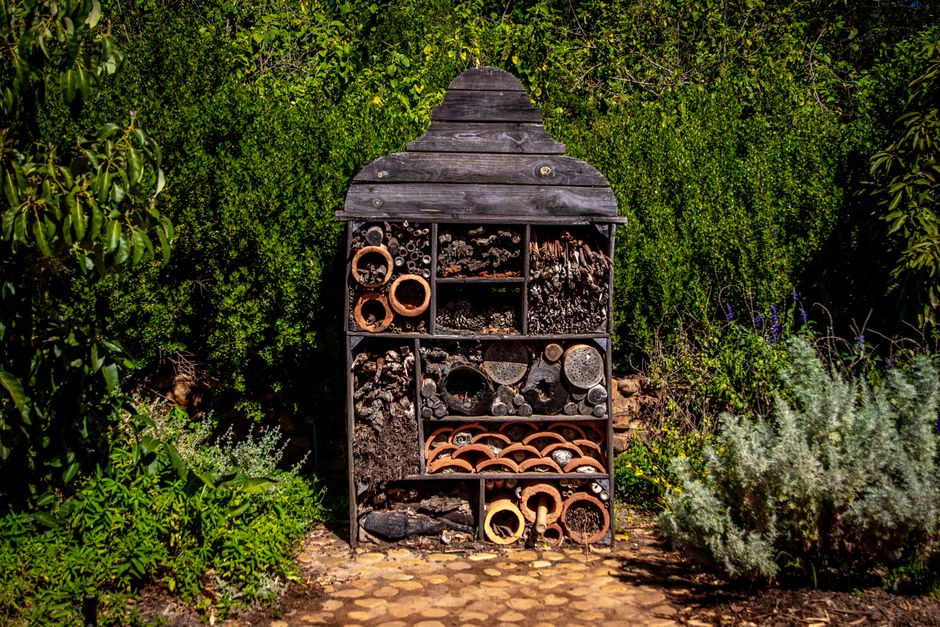
Incorporating plants that offer nectar, pollen, and shelter is crucial. Species like dill (Anethum graveolens), cilantro (Coriandrum sativum), calendula (Calendula officinalis), phacelia (Phacelia tanacetifolia), and yarrow (Achillea millefolium) are excellent for attracting adult hoverflies and lacewings. Sweet alyssum (Lobularia maritima) and white clover (Trifolium repens) are also effective. These plants act as “hotels” and “dining halls” for beneficial insects, ensuring their continued presence.
Cultural Management and Reduction of Chemical Impact
Eliminating broad-spectrum pesticides is an indispensable step. Even organic products can be harmful to beneficial insects if not used cautiously. Prioritizing practices such as proper pruning, efficient watering, and balanced nutrition for rose bushes reduces plant stress, making them less susceptible to aphid attacks. Integrating permaculture principles, like designing polycultures and creating biological corridors, contributes to a more self-regulated and resilient ecosystem. A recent study published in the Journal of Applied Ecology highlights how agricultural landscape complexity, including hedges and flowering margins, significantly increases the effectiveness of aphid biological control. For an overview of techniques, you can visit La Huertina de Toni.
Regular observation is key to successful biological control. Inspecting rose bushes at least once a week allows for the detection of the first signs of aphids and the presence of their natural enemies.
Early Detection and Counting
Promoting Beneficial Fauna Through Attractant Plants
Check the undersides of leaves, tender shoots, and buds for aphids. Simultaneously, look for ladybug eggs (yellow, oval), lacewing and hoverfly larvae, and mummified aphids. An increase in the proportion of mummified aphids or the active presence of predatory larvae indicates that biological control is working. Simple tools like hand lenses can be very helpful.
Intervention Thresholds
The goal of biological control is not to eradicate all aphids but to keep their populations below an economic or aesthetic damage threshold. If aphid populations increase rapidly and beneficial fauna do not seem to be controlling them, additional release of beneficial insects or localized application of potassium soap, which has a low impact on useful insects if used judiciously, can be considered. Academic institutions with agricultural extension services in the region often provide resources and training on pest thresholds specific to ornamental crops.
Implementing biological aphid control on rose bushes represents an advanced and responsible strategy for garden care. By understanding and promoting the action of beneficial insects, not only are plants effectively protected, but a healthier and more sustainable ecosystem is also created. This practice aligns with a modern vision of gardening that values biodiversity and natural resilience over quick but short-lived chemical solutions. Adopting these methods is an investment in the long-term health of rose bushes and the natural environment as a whole, promoting a beauty that is both aesthetic and ecological.
Related Articles

Festuca gracillima: Adaptations, Cultivation & Steppe Role
Analysis of the Patagonian grass *Festuca gracillima*: morphology, ecology, establishment, and sustainable use in landscaping and environmental restoration.
Integrated Management of Oriental Fruit Moth in Stone Fruits: Biology, Monitoring, and Strategies
Combines cultural, biological, mating disruption, and chemical controls to effectively manage the peach twig borer in Cuyo orchards.

Designing Gardens for Predator Beetle Conservation and Attraction
Cultivating beneficial beetle populations through targeted botanical and habitat interventions enhances agroecological pest management and biodiversity.
Integrated Management of Citrus Excoriosis (*Diaporthe citri*) in Argentina
Analyzes etiology, symptomatology, cultural practices, chemical/biological control, and technologies to mitigate citrus excoriosis.