Crop Rotation: Restoring Soil Health and Agricultural Resilience
Addresses soil degradation through sequential rotations that fix nitrogen, improve structure and organic matter, and mitigate pests.
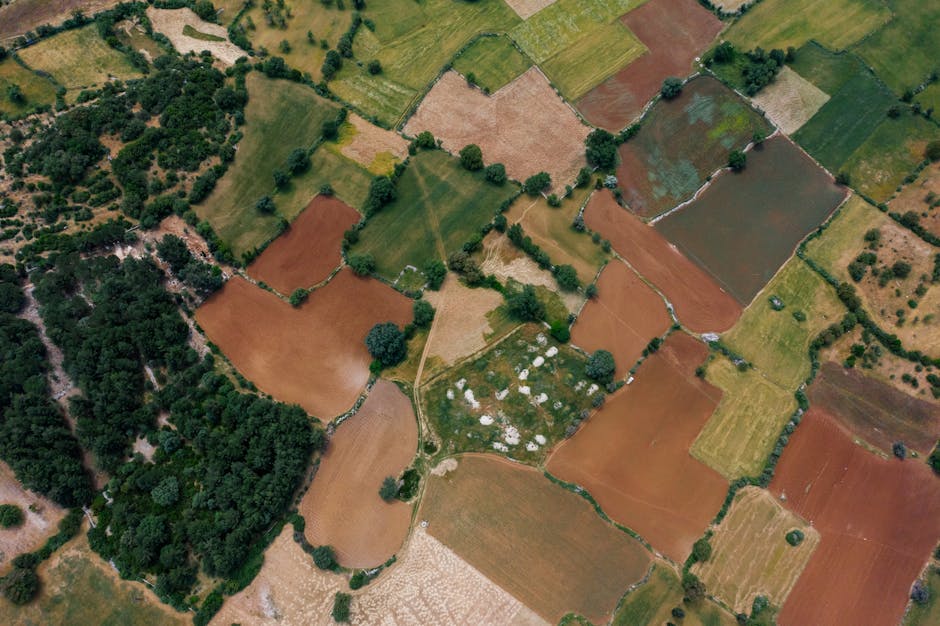
Fundamentals of Crop Rotation for Soil Restoration
Soil health is the fundamental bedrock of any productive and sustainable agricultural system. However, decades of intensive practices have led to significant soil degradation in various regions, affecting fertility, structure, and water-holding capacity. Faced with this challenge, crop rotation emerges as a proven agroecological strategy, essential for restoring substrate vitality and fostering agroecosystem resilience. This approach not only addresses immediate yield issues but also lays the groundwork for more robust agriculture, less dependent on external inputs, which is crucial for producers in the region.
The degradation of soil manifests through the loss of organic matter, compaction, erosion, and nutritional imbalances. Crop rotation, defined as the sequential planting of different plant species in the same plot over time, disrupts monoculture and its detrimental effects. This practice is based on the principle of diversity, leveraging the distinct demands and contributions of each plant to the soil system. For instance, the inclusion of legumes, such as peas or clover, fixes atmospheric nitrogen through symbiosis with bacteria of the genus Rhizobium, naturally enriching the soil. Grasses, on the other hand, develop fibrous root systems that improve soil structure and aeration, while their biomass contributes significantly to organic matter. This alternation is a cornerstone of regenerative agriculture, which seeks not only to produce food but also to revitalize ecosystems.
Designing Sequences and Cover Crops for Regeneration
The design of an effective rotation plan requires consideration of soil characteristics, local climate, and specific recovery objectives. A common strategy involves alternating crops with different nutritional needs and growth habits. For example, after a nutrient-demanding crop like corn, a legume can be planted to replenish nitrogen. Subsequently, a deep-rooted crop such as carrots or beets can decompact the soil, followed by a crucifer like cauliflower, which can help control soil nematodes and diseases. The incorporation of cover crops (also known as green manures) is a fundamental innovation in soil recovery. Species like vetch, rye, or oats are planted between main crop cycles, without harvesting, to protect the soil from erosion, suppress weeds, add biomass, and improve microbial activity. Recent studies in the province of Buenos Aires demonstrate that the combination of rotations with cover crops can increase soil organic matter by 0.5% annually in intensive agricultural systems, a crucial advancement for climate resilience. To delve deeper into these techniques, INTA offers valuable resources: [https://inta.gob.ar/documentos/cultivos-de-cobertura-como-herramienta-para-la-sustentabilidad-de-los-sistemas-productivos]. A sample rotation sequence could be: 1st year: corn (high N consumption); 2nd year: soybean (legume, adds N); 3rd year: wheat (grass, adds organic matter and protects); 4th year: vetch (cover crop, maximizes N and OM contribution). This planning minimizes pressure on a single nutritional resource and diversifies the soil’s phytosanitary profile.
The implementation of crop rotation generates a cascade of ecosystem benefits that transcend mere productivity. At the soil level, a substantial improvement in soil structure is observed, facilitating water infiltration and reducing surface runoff, a critical factor in regions prone to droughts or intense rainfall. The diversity of plant residues increases organic matter, which in turn enhances cation exchange capacity and nutrient retention. From a phytosanitary perspective, rotation is a powerful tool for integrated pest and disease management. By breaking the life cycles of pathogens and insect populations specific to a crop, the need for agrochemicals is reduced. For example, many nematodes and pathogenic fungi are host-specific; by changing the crop, they are deprived of their food source, decreasing their presence in the soil. This practice fosters beneficial microbial biodiversity, creating a more balanced and resistant soil environment. Resilience against extreme weather events, such as frosts or droughts, is also strengthened in healthy, organic-matter-rich soils.
Ecosystem Benefits and Integrated Phytosanitary Management
The effectiveness of a rotation program depends on constant monitoring and adaptive capacity. Periodic soil analysis is fundamental to assess changes in organic matter, pH, and nutrient availability, allowing for adjustments in crop sequences. Digital tools, such as garden planning applications or agricultural management software, offer producers the ability to design optimal rotations, record yield data, and observe trends over time. The integration of precision technologies, like moisture sensors or drones for plant health mapping, can provide valuable information to refine rotation decisions. In the context of urban and peri-urban agriculture in Buenos Aires, where space is limited, intensive rotation in small plots or even containers becomes crucial. The selection of crop varieties that adapt well to local conditions and changing environmental pressures is another decisive factor. Research into climate-resilient varieties, such as those developed by INTA, offers new opportunities to strengthen rotation systems and ensure long-term production. More information on INTA’s research lines is available at: [https://inta.gob.ar/areas-de-investigacion]. The key lies in observing the soil as a living, dynamic system, whose health is built through diversity and conscious management.
Crop rotation represents a fundamental strategy for the recovery of degraded soils, offering a sustainable and multifaceted solution. Beyond improving soil fertility and structure, this practice contributes significantly to the reduction of pests and diseases, the promotion of biodiversity, and the construction of agricultural systems more resilient to current environmental challenges. By integrating traditional knowledge with technological innovations and a deep understanding of soil ecology, producers can transform exhausted lands into productive and vibrant ecosystems. Investing in soil health through crop rotation is an investment in the future of food and the planet.
Related Articles

Urban Horticulture: Principles of Substrate, Irrigation, and Phytosanitary Management
Scientific guide for cultivation in small spaces, covering substrate, fertilization, irrigation, and pest control.

Fundamentals of Home Horticulture: Planning, Substrate, and Sustainable Management
Technical guide on agronomic principles for establishing and maintaining home gardens, from site selection to nutrient and pest management.
Tomato Cultivation: Varieties, Sowing, Care, and Pest Management for a Successful Harvest
Learn tomato cultivation techniques, from variety selection and sowing to watering, nutrition, and pest control for home gardens.
Lactuca sativa: Seasonal Adaptation and Environmental Management for Continuous Cultivation
Strategies for perennial lettuce cultivation, covering varietal selection, environmental control, and agronomic techniques.