Temperate Artichoke Growing: Care, Management & Sustainable Harvest
Details soil-climate requirements, varietal selection, propagation, nutrition, irrigation, pruning, and integrated pest management for artichokes.

Soil-Climate Requirements and Varietal Selection for Artichokes
The cultivation of artichokes, known as alcauciles in the Southern Cone, represents a rewarding opportunity for horticulturists in temperate climate regions. This perennial plant, valued for its fleshy bracts and delicate heart, not only enriches the table with its unique flavor but also provides significant nutritional benefits. Adapting cultivation techniques to the specificities of temperate climates is crucial for ensuring successful and sustainable production. The growing demand for fresh, locally sourced produce encourages many to integrate artichokes into their home and commercial gardens, taking advantage of the optimal conditions these zones offer for their development.
The success in cultivating Cynara scolymus, the artichoke, largely depends on understanding and managing its environmental needs. This species thrives in temperate climates, characterized by mild winters with sufficient chilling hours (temperatures between 0°C and 10°C) to induce flowering, and warm summers that are not excessively hot. Optimal temperatures for vegetative growth range between 13°C and 24°C. Full sun exposure is critical for the development of large, high-quality heads.
Regarding soil, artichokes require deep, fertile, well-drained soil rich in organic matter. A slightly acidic to neutral pH (6.0 to 7.0) is ideal. Clay or heavy soils can be improved by incorporating compost and coarse sand to optimize drainage and aeration. Land preparation should include deep plowing to allow for the development of their extensive root system.
Varietal selection is a fundamental pillar in adapting to temperate climates. In Argentina and other Latin American regions, varieties like ‘Verde De La Plata’ are highly valued for their adaptability, resilience, and the quality of their heads. Other options include ‘Blanca De Tudela’, known for its precocity and tenderness, or ‘Romanesco’, of Italian origin, appreciated for its shape and flavor. For more detailed information on varieties adapted to the region and specific cultivation practices, the National Agricultural Technology Institute (INTA) of Argentina offers valuable resources. Agronomic research currently focuses on developing new hybrid varieties that offer greater resistance to diseases like downy mildew and better tolerance to temperature fluctuations, which is relevant given changing climate patterns. These innovations aim to ensure productive stability and harvest quality across different climatic scenarios.
Propagation, Nutritional Management, and Crop Establishment
Artichokes can be propagated from seeds or, more commonly, through suckers or basal shoots (also called “crowns”) from healthy mother plants. Propagation by suckers ensures genetic uniformity and a faster entry into production. Suckers are separated from the mother plant at the beginning of spring when they are between 20 and 30 cm tall and have some roots.
Transplanting is a critical moment. Young plants should be established in raised beds or rows to facilitate drainage. Spacing between plants is typically 1 to 1.5 meters, and between rows, 1.5 to 2 meters, allowing for adequate development and good air circulation. This spacing is vital to prevent the proliferation of fungal diseases.
In terms of nutritional management, artichokes are demanding due to their long cultivation cycle and biomass production. Initial fertilization with well-decomposed compost or mature manure is essential to provide slow-release nutrients and improve soil structure. During the growth cycle, it is advisable to apply organic fertilizers rich in nitrogen and potassium, especially before head formation. Implementing permaculture techniques, such as mulching with organic materials, contributes to moisture conservation, weed suppression, and gradual soil enrichment, reducing the need for synthetic fertilization and promoting microbial biodiversity. Recent studies highlight the use of seaweed-based biostimulants and plant extracts to enhance nutrient uptake and abiotic stress resistance.
Irrigation is a determining factor in artichoke yield. The plant requires a constant supply of moisture, especially during head formation. However, excess water can lead to root diseases. Implementing drip irrigation systems is highly recommended as it optimizes water use, minimizes evaporation, and reduces the incidence of foliar diseases by keeping leaves dry. Organic mulching complements this strategy by maintaining soil moisture and moderating soil temperature. Monitoring soil moisture with tensiometers or moisture sensors is an innovative practice that allows for precision irrigation, tailored to the plant’s actual needs and climatic conditions.
Efficient Irrigation, Structural Pruning, and Integrated Pest Management
Pruning is essential for maintaining plant productivity and health. It is mainly done to remove secondary flower stalks after the main heads are harvested, as well as to eliminate old or damaged leaves that might harbor pests or diseases. In the second year of cultivation, it is recommended to select 2 to 4 vigorous suckers per plant and remove the rest to concentrate energy into producing larger heads. For in-depth information on general crop management, including pruning and efficient irrigation, consult specialized guides such as those available on Infojardin.
Pest and disease control should be based on an Integrated Pest Management (IPM) approach. Common pests include aphids, stem borers, and slugs. The most frequent diseases are downy mildew, rust, and botrytis, especially in high humidity conditions. Preventive strategies such as crop rotation, selecting resistant varieties, and adequate air circulation are fundamental. Biological control, by introducing beneficial insects like ladybugs for aphid control, and the use of plant extracts (e.g., neem) or organic fungicides, represent sustainable alternatives to conventional agrochemicals. Early detection and localized intervention are key to minimizing the impact of any outbreak. Current research explores the use of antagonistic microorganisms for the biological control of soil pathogens.
Artichoke harvesting is done when the heads have reached an adequate size and the bracts are tightly closed and turgid, before they begin to open and the flowers develop. A head that is too open indicates over-maturity and reduced quality. It is recommended to cut the head with a stem of about 10 to 15 cm, using a sharp knife to avoid damaging the plant. Harvesting is staggered, as a single plant produces multiple heads throughout the season.
After harvest, the heads should be cooled quickly to prolong their shelf life. Cold storage (temperatures near 0°C and high relative humidity) can maintain artichoke freshness for several weeks. It is crucial to avoid bumps and bruises during handling.
Optimal Harvest, Post-Harvest, and Consumption Prospects
Artichokes are not only appreciated fresh, but there is also growing interest in processing them into canned artichoke hearts, pickled, or frozen products, allowing this vegetable to be enjoyed out of season. The trend towards consuming local and organic products has boosted the demand for sustainably grown artichokes. Furthermore, their nutritional value, rich in fiber, vitamins, and antioxidants, positions them as a functional food in healthy diets. The culinary versatility of the artichoke, from traditional dishes to innovative haute cuisine preparations, ensures its relevance in the gastronomic market. Exploring farmers’ markets and local cooperatives can provide effective channels for marketing surplus production.
Growing artichokes in temperate climates is an agricultural activity that, with proper management and the application of sustainable techniques, can be highly productive and rewarding. From selecting adapted varieties and meticulous soil preparation to implementing efficient irrigation systems and integrated pest management strategies, each stage contributes to harvest success. Incorporating agronomic innovations, such as the use of biostimulants and precision irrigation, not only optimizes yields but also aligns production with the principles of regenerative agriculture and environmental sustainability. By adopting these practices, growers can ensure the production of high-quality artichokes, enjoying the benefits of this noble plant in their gardens.
Related Articles

Salicornia: Biology, Cultivation, and Gastronomic-Environmental Value
Explore salicornia's halophytic biology, saline water cultivation, nutritional benefits, and role in phytoremediation and coastal resilience.

DIY Greenhouse: Extend Your Growing Season and Protect Your Plants
Build your own greenhouse to grow year-round, control the climate, and protect plants from harsh weather.
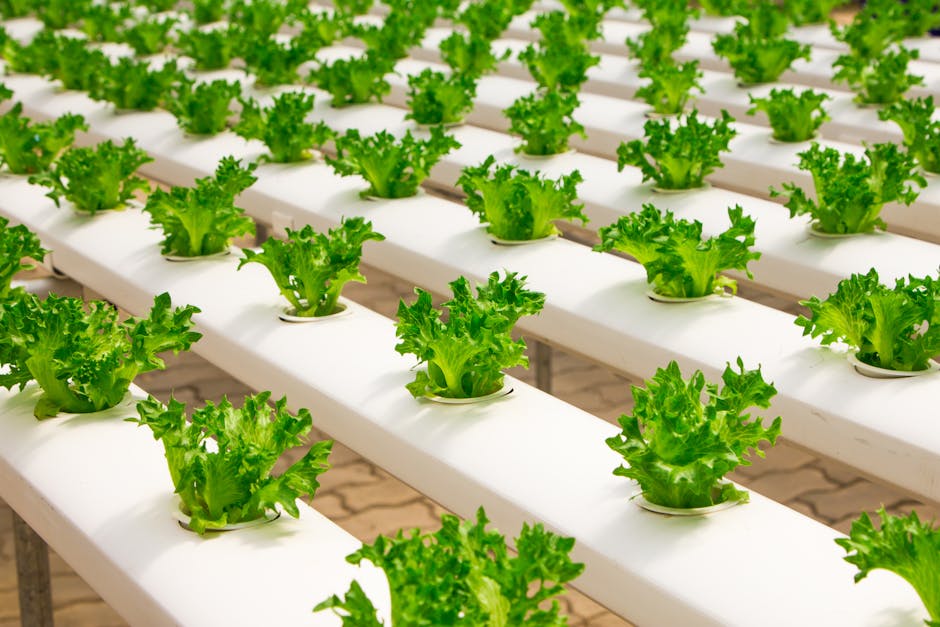
Continuous Lettuce Cultivation: Genetic Selection and Seasonal Environmental Optimization
Staggered planting techniques, substrates, and climate control for consistent year-round lettuce production.

Quinoa in Argentina: Agronomic Practices for Sustainable and Nutritious Cultivation
Understand the keys to quinoa cultivation in Argentina: soil preparation, sowing, management, and harvesting to optimize yield and sustainability.