Crop Rotation in Hydroponics: Optimizing Nutrients and Plant Health
Establishes biological and chemical principles for hydroponic rotation, mitigating saline imbalances and pathogens through species alternation.
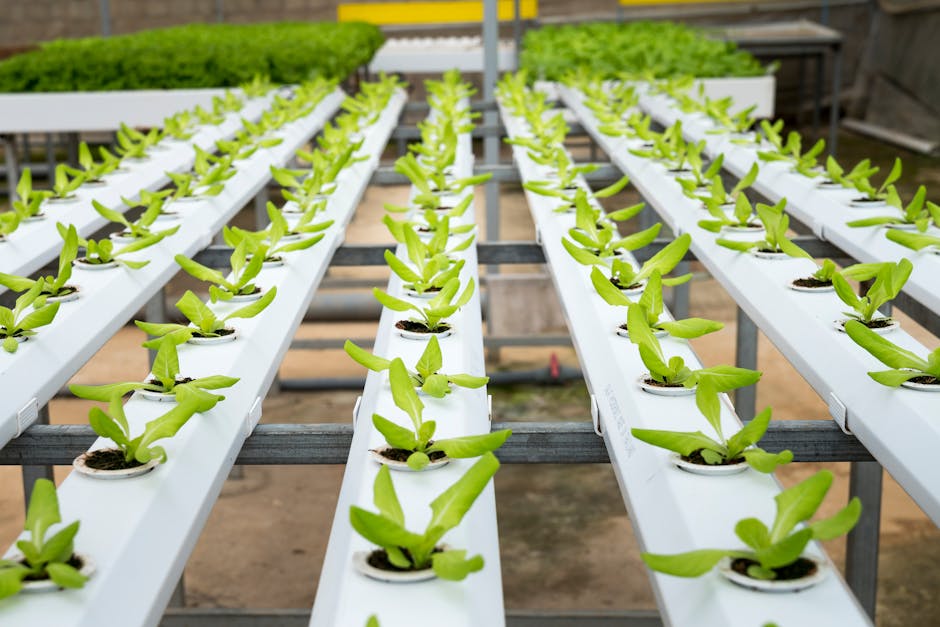
Fundamentals of Rotation in Hydroponic Systems
Crop rotation, an age-old practice in soil agriculture, takes on unique significance in modern hydroponic systems. While the absence of soil eliminates certain issues like soil fatigue, the controlled diversification of species in soilless environments offers crucial benefits for sustainability and productivity. This strategic approach optimizes nutrient utilization, mitigates pathogen proliferation, and enhances overall system efficiency, aligning with the technological innovations that characterize contemporary hydroponics.
The application of rotation in hydroponics is based on biological and chemical principles adapted to a soilless environment. In these systems, salt accumulation, selective depletion of micronutrients, and the concentration of specific root exudates can negatively impact crop health and the longevity of the nutrient solution. Alternating species with different nutritional requirements and absorption patterns minimizes these imbalances. For example, a plant with a high demand for potassium could be followed by one with a lower requirement for this element, allowing for a more efficient recovery or readjustment of the solution. Additionally, rotation is a robust preventive tool against the emergence and spread of diseases and pests. Pathogens such as Pythium or Fusarium, which can persist in water or on system surfaces, find a less favorable environment when the cycle of their preferred host is broken. Recent studies from agricultural universities demonstrate that crop diversification can even foster a beneficial microbiome in recirculating water, increasing the overall system’s resilience. For deeper insights into nutrient management, the National Agricultural Technology Institute (INTA) of Argentina offers valuable resources on specific formulations for different crops.
Strategies for Crop Sequencing in Hydroponics
Planning crop sequences in hydroponics is structured around several criteria. One of the most effective is rotation by botanical family, alternating plants like solanaceous (tomato, pepper) with cucurbits (cucumber, melon) or asters (lettuce). This strategy reduces the pressure of pests and diseases specific to each family. Another tactic is rotation based on nutrient demand: high-nitrogen-consuming species (leafy greens) can be followed by those with lower requirements or by legumes (though less common in pure hydroponics, they are used in aquaponic systems) that fix nitrogen. Root structure also influences sequencing; plants with dense root systems can be alternated with those having more fibrous roots to prevent compaction or blockage of channels, especially in NFT or DWC systems. In vertical farming systems, where space is limited, rotation may involve relocating trays or introducing short-cycle crops to maximize the efficient use of available volume. The integration of agricultural management software today allows for the modeling of these sequences and prediction of their impact on nutrient solution composition.
The implementation of crop rotation directly impacts the health and sustained yield of hydroponic systems. By breaking the life cycles of pathogens and pests, the need for intensive chemical or biological interventions is significantly reduced, aligning with sustainable agriculture trends. Crop alternation also contributes to a more balanced use of available nutrients in the solution, preventing deficiencies or toxicities that could arise from prolonged monoculture. This translates into more vigorous plants, with greater resistance to stress, and ultimately, more abundant and higher-quality harvests. For instance, alternating lettuce with basil in an NFT system has been shown to reduce the incidence of root fungal diseases and improve the absorption of certain micronutrients in subsequent cycles. Optimizing water parameters, such as pH and electrical conductivity, becomes more manageable with well-planned rotation, facilitating the maintenance of optimal balance for plant growth. The InfoAgro.com portal offers articles on disease management in intensive crops, which are also relevant to hydroponics.
Impact of Diversification on Hydroponic Health and Yield
Successful implementation of rotation in hydroponics requires meticulous planning and constant monitoring. It is essential to maintain detailed records of previous crops, planting and harvest dates, observed phytosanitary problems, and adjustments made to the nutrient solution. These data form the basis for designing effective rotation sequences. For more advanced systems, the use of IoT (Internet of Things) sensors that monitor nutrient solution composition, temperature, and pH in real-time can provide critical information for adapting the rotation. For example, if a sensor detects an unusual accumulation of an element, the next rotation could include a crop that efficiently absorbs it. Emerging precision agriculture technologies, such as data analytics and artificial intelligence, are beginning to offer tools for predicting optimal rotation cycles based on system history and environmental conditions. Platforms like Infojardín.com provide practical tips for organizing hydroponic gardens that can be adapted to include rotation.
Crop rotation in hydroponic systems is more than just an alternation of species; it is a comprehensive strategy for fostering resilience, efficiency, and sustainability. By understanding and applying these principles, growers can optimize their systems, reduce risks, and ensure consistent, high-quality production, facing the challenges of modern agriculture with innovative, knowledge-based solutions.
Related Articles

Permaculture: Regenerative Design for Sustainable and Resilient Gardens
Applying ecological principles to gardens for resource optimization, reduced environmental impact, and abundant harvests.

Wicking Beds: Capillarity Principles for Efficient Passive Irrigation
Details physical principles, technical specifications, and water/nutrient management of wicking bed systems for optimized water use in horticulture.

Tannat Adaptation and Sustainable Wine Diversification in Uruguay
Explore Tannat adaptation in Uruguay, precision viticulture techniques, and expansion to new varietals with sustainable and technological approaches.

Phylloxera: Biology, Impact, and Integrated Management Strategies in Viticulture
Explores the biology of Daktulosphaira vitifoliae, its devastating impact, and control through resistant rootstocks and innovative practices.