Crop Rotation and Complementary Strategies for Nematodes in Sandy Soils
Evaluating crop rotation, biofumigation, and organic amendments for controlling plant-parasitic nematodes in sandy soils and improving soil health.
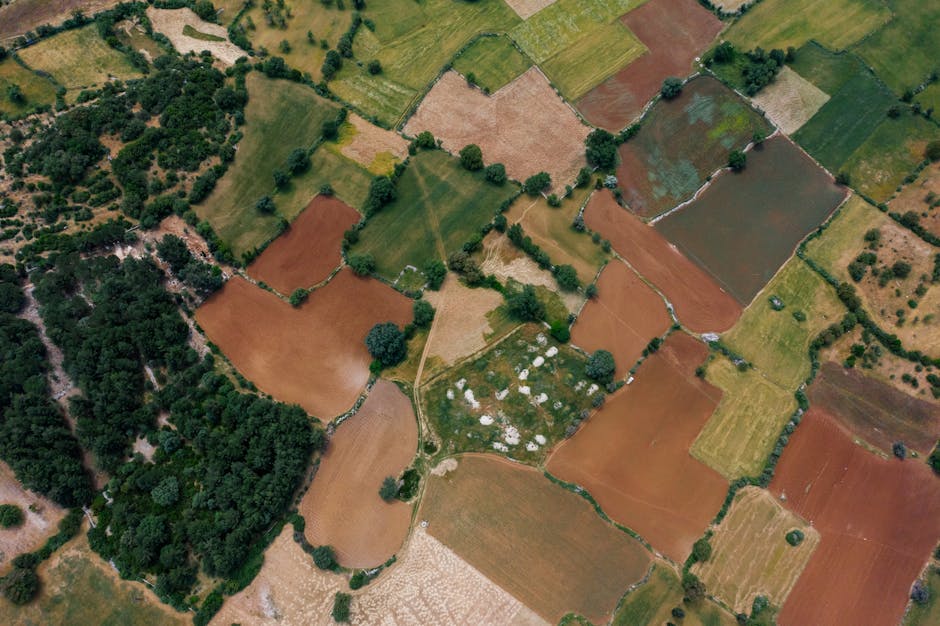
Ecology of Plant-Parasitic Nematodes in Sandy Soils
Managing plant-parasitic nematodes in sandy soils presents a significant challenge for agriculture, impacting crop productivity and long-term soil health. These microscopic organisms, by feeding on plant roots, compromise nutrient and water absorption, leading to stunted plant growth. In environments with a high sand content, their mobility and proliferation are facilitated, exacerbating the problem. Crop rotation emerges as a fundamental strategy, offering a biological and sustainable pathway to mitigate their impact, restore soil balance, and promote resilient production systems. This approach not only aims at direct control of nematode populations but also contributes to the overall improvement of soil properties, laying the groundwork for more robust and healthier harvests.
Ecology of Plant-Parasitic Nematodes in Sandy Soils
Plant-parasitic nematodes are worm-like organisms that inhabit the soil, feeding on plant root cells. Their presence in sandy soils is particularly concerning due to the structure of this substrate type. The high porosity and good drainage of sandy soils facilitate nematode dispersal, allowing them to move more freely through the soil profile compared to clayey soils. Furthermore, the lower water and nutrient retention capacity of sand can stress plants, making them more susceptible to nematode damage. Species such as Meloidogyne spp. (root-knot nematodes) and Pratylenchus spp. (lesion nematodes) find optimal conditions for their life cycle in these environments, causing symptoms like wilting, stunting, and root lesions that drastically reduce crop yield and quality. Understanding this interaction is crucial for designing effective management strategies.
Principles of Crop Rotation for Nematological Control
Crop rotation is an agronomic practice that involves alternating different plant species in the same field over time. Its effectiveness against nematodes lies in disrupting their life cycle and reducing their populations. By planting non-host or resistant species, nematodes are deprived of their food source, leading to a gradual decrease in their numbers. For example, including grasses like corn or sorghum in a rotation can be beneficial if the present nematode species do not feed on them.
A growing trend is the use of plants with biofumigant properties, such as Brassicaceae (mustard, forage radish), which release glucosinolate compounds upon decomposition in the soil. These compounds, upon hydrolysis, form isothiocyanates, which possess a natural nematicidal effect. Integrating these species as cover crops or within the rotation cycle, and then incorporating them into the soil, constitutes an innovative technique for biological nematode control. This practice, combined with the addition of organic matter, not only reduces pest populations but also improves soil structure and fertility, critical aspects in sandy soils.
Designing Effective Rotation Sequences in Sandy Soils
Planning a rotation sequence requires a thorough understanding of the crops to be planted and the predominant nematode species in the field. An effective sequence might include:
- Year 1: High-value susceptible crop (e.g., tomato, potato): Initial nematode monitoring to identify species.
- Year 2: Non-host or resistant crop (e.g., corn, sorghum, barley): These grasses are not hosts for many common root-knot nematodes, helping to reduce their populations.
- Year 3: Biofumigant crop (e.g., mustard, forage radish): Sow and then incorporate into the soil at flowering to release nematicidal compounds. This strategy is particularly useful for soil sanitation before a susceptible crop.
- Year 4: Legume (e.g., soybean, bean, pea): Adds nitrogen to the soil, improving its fertility and structure, and depending on the species, may have a low reproduction rate for certain nematodes.
It is essential to consider the diversity of roots and the depth reached by different crops to affect nematodes in various soil layers. Alternating deep-rooted with shallow-rooted crops contributes to a more complete disruption of the nematode habitat.
Complementary Strategies and Recent Advances
Crop rotation enhances its benefits when integrated with other management practices. Regular incorporation of organic amendments like compost or animal manure is vital for sandy soils. These amendments improve water and nutrient retention capacity and promote beneficial microbial activity, including fungi and bacteria that parasitize or compete with plant-parasitic nematodes. Recent studies highlight the role of bio-inputs, such as microbial inoculants containing nematophagous fungi (Paecilomyces lilacinus, Trichoderma spp.) or bacteria (Bacillus firmus), in nematode suppression. These products represent an innovation in biological control, complementing crop rotation.
Another relevant technique is soil solarization, especially effective in warm climates. It involves covering moist soil with transparent plastic for several weeks in summer, raising the temperature and eliminating pathogens, including nematodes, in the upper layers. Selecting crop varieties resistant or tolerant to nematodes is also a cornerstone of integrated pest management, offering a genetic defense line that perfectly complements rotations.
The combination of these strategies forms a holistic approach to soil health and nematode control. Current research focuses on identifying new plant species with nematicidal properties, developing even more resistant varieties, and optimizing bio-inputs for more efficient and specific application. These trends point towards more sustainable and productive agriculture.
The implementation of well-planned crop rotations, along with other integrated management practices, offers a robust and ecological solution for nematode control in sandy soils. This approach not only protects crops from direct damage but also enriches soil biodiversity, improves soil structure and fertility, and promotes the long-term sustainability of agricultural systems. Adopting these strategies is an investment in the health of our land and the resilience of our production.
Related Articles
Fusarium Wilt in Tomatoes: Integrated Management
Crop rotation, biofumigation, and biocontrol to mitigate Fusarium oxysporum in Solanum lycopersicum, promoting soil health and sustainability.

Drip Irrigation: Water and Agronomic Efficiency for Modern Crops
Implementing and maintaining drip systems to optimize water use, enhance plant growth, and ensure agricultural sustainability.

Ground Beetles: Predators for Sustainable Agriculture
Details the morphology, predatory behavior, and ecology of ground beetles, highlighting their role in biological control and agricultural soil health.

Permaculture Design: Zoning, Soil Regeneration, and Horticultural Biodiversity
Applying permaculture design in gardens: zoning, composting, mulching, polycultures, and water management for resilient systems.