Urban Horticulture: Raised Bed Design, Substrate & Sustainable Management
Optimizing materials, organic substrates, efficient irrigation, and pest control for raised bed horticulture, promoting sustainability.
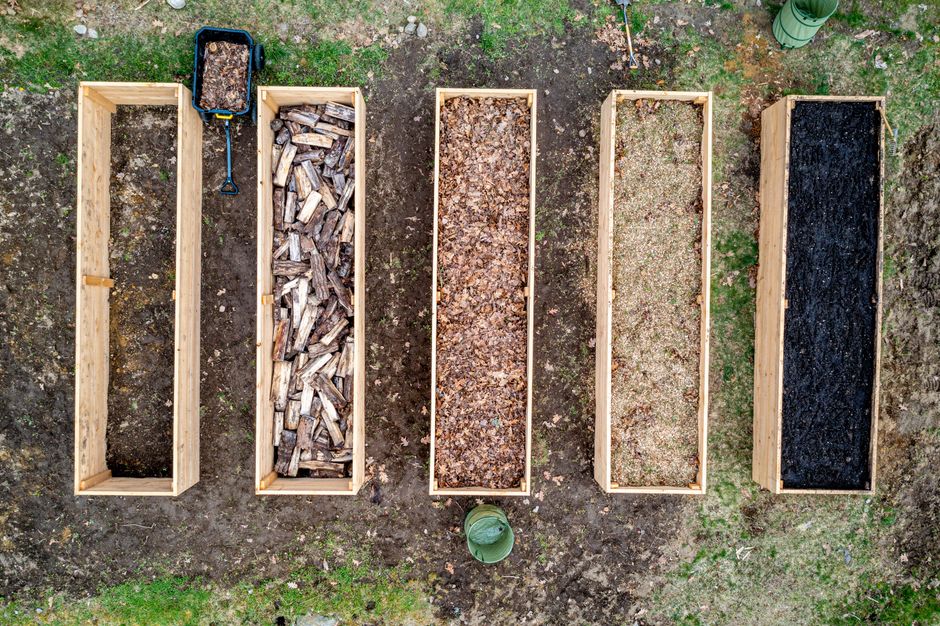
Structural Design and Material Selection for Raised Beds
The implementation of raised beds represents an effective strategy for horticulture, especially in urban and semi-urban environments. This technique, which involves constructing defined structures to contain the growing medium, offers significant advantages in terms of environmental control, accessibility, and productivity, adapting to the needs of gardeners in various regions.
The choice of materials for constructing raised beds directly influences their durability and growing conditions. Common materials include treated wood (avoiding chemicals harmful to soil and crop health), brick, stone, galvanized metal, or high-density recycled plastics. The design should consider a minimum depth of 30 cm for most crops, although for deep-rooted vegetables like carrots or sweet potatoes, a depth of 45-60 cm is recommended. The ideal width ranges between 90 and 120 cm, allowing easy access to all plants without the need to step on the growing area, which prevents soil compaction. The orientation of the bed is crucial; an east-to-west layout maximizes sun exposure, essential for optimal plant growth. Recent innovations include modular beds that are easy to assemble and systems with integrated water reservoirs for self-watering, optimizing water management.
Substrate Formulation and Organic Enrichment
Success in raised beds largely depends on the quality of the substrate. Unlike native soil, raised beds allow for the creation of an ideal growing medium from scratch. An effective technique is the layering method, known as “lasagna gardening,” which combines rich organic materials to form a fertile, well-structured soil. This involves alternating layers of green matter (kitchen scraps, fresh grass clippings), dry matter (dried leaves, uninked cardboard), mature compost, and a top layer of good quality topsoil. This mixture improves aeration, drainage, and moisture retention, while gradually providing essential nutrients. Incorporating vermicompost and liquid biofertilizers into the growing cycle enhances microbial activity, a vital element for soil health and plant nutrition. Current studies highlight the importance of the soil microbiome in crop resilience against pathogens and water stress, a key trend in regenerative agriculture.
Water management in raised beds requires attention. Drip irrigation or micro-sprinkler systems are highly recommended, as they direct water straight to the root zone, minimizing evaporation and waste. Soil moisture sensors, increasingly accessible, enable precise and automated irrigation, optimizing water consumption. Regarding pest control, the height of the raised bed reduces contact with some terrestrial species. The implementation of Integrated Pest Management (IPM) techniques is fundamental. This includes crop rotation (e.g., planting marigolds or basil alongside tomatoes to repel insects), the use of physical traps, introducing beneficial insects like ladybugs to control aphids, and applying organic preparations based on neem or potassium soap. Constant observation and early intervention are key to maintaining crop health without resorting to synthetic chemicals, a practice aligned with the growing demand for organic food and biodiversity in the garden.
Water Management and Phytosanitary Control Strategies
Raised beds offer benefits that go beyond immediate productivity. They contribute to sustainability by reducing water usage through efficient irrigation systems and less evaporation. Reduced soil compaction favors aeration and root development, improving nutrient absorption. Furthermore, their ergonomic design makes them accessible for people with reduced mobility or older adults, promoting inclusive gardening. In the context of urban agriculture, raised beds foster the creation of productive green spaces in cities, contributing to local food security and enhancing the urban landscape. Permaculture and regenerative agriculture movements actively adopt these structures for their ability to build healthy soils and resilient ecosystems, adapting to the challenges of climate change and promoting local biodiversity. Continuous innovation in recycled materials and smart monitoring systems solidify raised beds as an essential tool for the gardening of the future.
The adoption of raised beds provides a solid foundation for successful cultivation, allowing horticulturists to optimize space, improve soil quality, and apply sustainable agricultural practices. This technique represents a valuable investment for any gardener seeking efficiency and productivity in their garden, adapting to the specific conditions of each environment and fostering a deeper connection with the natural food cycle.
Related Articles

Homemade Organic Fertilizers: Soil Nutrition and Organic Matter Cycles
Exploring homemade organic fertilizers: plant nutrition principles, composting and vermicomposting techniques, and their impact on soil health.

Trellised Kiwi: Variety, Structure & Management Optimization
Analysis of trellised kiwi cultivation: varieties, support structures, pruning, plant health, and harvesting for efficient and sustainable production.

Permaculture & Perennials: Design, Management, Diversity for Sustainable Food
Implementing permaculture systems with perennial edible plants: design principles, crop management, regional diversity, and biological control.

Morphology, Life Cycle, and Ecological Role of the Praying Mantis in Biological Control
Delve into the praying mantis's specialized morphology, life cycle stages, predatory behaviors, and significant role in natural garden pest management.