Sustainable Horticulture in Volcanic Ecosystems: Challenges and Solutions in the Galápagos
Managing invasive flora, optimizing water use, and employing regenerative techniques are key to resilient gardening in this fragile archipelago.
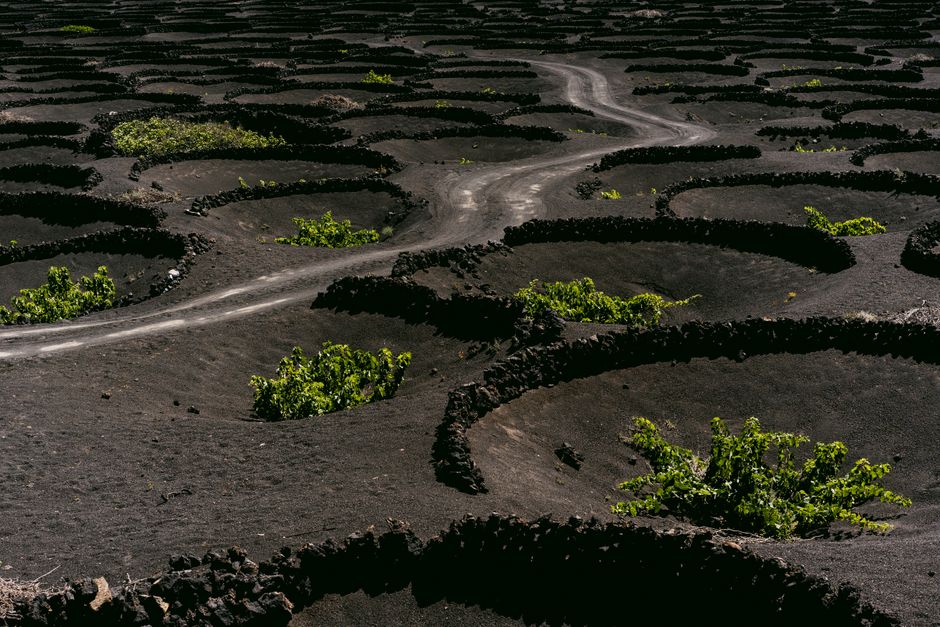
Bioclimatic and Pedological Factors in Volcanic Ecosystems
The Galápagos Islands, an archipelago of volcanic origin in the Pacific Ocean, serve as a natural laboratory of biodiversity that captivates biologists and nature enthusiasts alike. This unique ecosystem presents exceptional biogeographical conditions that have shaped its endemic flora and fauna. For horticulturists and gardeners, understanding the delicacy of this environment is paramount. Gardening in the Galápagos is not a conventional task; it involves a profound ecological responsibility, where every cultivation decision directly impacts the conservation of native species and the fight against the proliferation of exotic flora.
The archipelago is characterized by an arid subtropical climate, influenced by the Humboldt Current and El Niño, which creates varied microclimates across the islands. The soil composition, predominantly volcanic, is young and often poor in organic matter, presenting intrinsic challenges for plant development. The native flora has evolved with specific adaptations, such as drought resistance and tolerance to saline soils. However, the introduction of foreign plant species, whether intentional or accidental, poses one of the greatest threats. These exotic species compete with endemic flora for resources, alter habitats, and can lead to the extinction of unique plants, such as certain cactus species or woody shrubs. The management of freshwater, a scarce resource, also drastically conditions any cultivation practice, demanding highly efficient systems.
Principles of Sustainable Horticulture for Conservation
Gardening in the Galápagos must adhere to sustainability principles that minimize environmental impact and protect local biodiversity. Selecting native or adapted plants is a fundamental practice, reducing the need for irrigation and fertilizers. An approach based on permaculture, which designs self-sufficient and regenerative agricultural systems, offers valuable solutions. This includes employing mulching techniques to conserve soil moisture and suppress weeds, and implementing drip or micro-sprinkler irrigation systems to optimize water usage. Composting organic waste locally enriches the soil naturally, improving its structure and water retention capacity. Crop associations, where different species benefit each other, also contribute to the health of the garden ecosystem, reducing reliance on external inputs. The global trend towards regenerative agriculture finds a critical field of application in the Galápagos, where every effort to restore soil health and foster local biodiversity has a significant impact.
The control of invasive species is a top priority in the Galápagos. Plants such as guava (Psidium guajava), blackberry (Rubus niveus), or Cestrum auriculatum have colonized large areas, displacing native vegetation. Early identification and manual eradication are effective methods for small infestations. For larger areas, biological or mechanical control programs are implemented, always under strict regulations to prevent collateral damage. Local gardeners play a crucial role in surveillance, reporting new occurrences and participating in removal campaigns. Preventing new introductions is equally vital; this involves carefully inspecting seeds and plants entering the archipelago and educating the community about the associated risks. Ecological restoration initiatives, which replant endemic species in degraded areas, demonstrate the feasibility of recovering original ecosystems, an effort aligned with current global conservation trends.
Eradication and Prevention of Invasive Exotic Flora
The scarcity of arable land and freshwater in the Galápagos drives the search for innovative horticultural solutions. Hydroponics and aeroponics, soilless cultivation systems, offer the possibility of producing food with minimal water and space usage, while controlling the growing environment. These technologies allow for the cultivation of varieties that would otherwise be difficult to maintain in the island climate, contributing to the food security of local communities without pressuring natural ecosystems. Vertical farming emerges as another promising trend, maximizing production within reduced footprints. Furthermore, research into native plant propagation is yielding significant advances, enabling their reintroduction into areas where they had disappeared. Soil moisture sensors and automated irrigation systems, driven by technology, further optimize water use, an invaluable resource in this archipelago. These technological developments, combined with a solid foundation of sustainable practices, outline a future where gardening in the Galápagos can thrive in harmony with its natural heritage.
Gardening in the Galápagos Islands transcends mere plant cultivation; it is a declaration of commitment to the conservation of one of the planet’s most important ecological treasures. By adopting sustainable practices, selecting appropriate species, and actively participating in invasive species control, every gardener becomes a custodian of this unique ecosystem. The combination of traditional wisdom with the latest technological innovations offers a promising path towards horticulture that respects and enriches the extraordinary biodiversity of the Galápagos. This conscious approach not only benefits the archipelago but also serves as a model for sustainable gardening in other fragile environments worldwide, including regions like Argentine Patagonia or the native forests of central Argentina, where adaptation and environmental resilience are equally crucial.
Related Articles

Grow Your Best Garden: Argentina's Essential Southern Hemisphere Planting Calendar
Unlock Argentina's unique planting seasons and master your garden with this comprehensive Southern Hemisphere planting calendar and expert tips.

Organic Home Horticulture: Advanced Substrate, Irrigation, and Biological Control
Enhance your home garden with substrate preparation, efficient water management, and biological pest control for healthy harvests.

Botanical Adaptations and Cultivation Techniques in Andean Páramos
Soil management, irrigation, climate protection, and species selection for resilient high-mountain Andean gardening.

Unlock Your Garden's Potential: The Power of Native Flora
Learn how native plants transform your garden into a vibrant, resilient ecosystem, saving water and supporting local biodiversity.