Drought-Resilient Gardens: Water Optimization & Plant Resilience
Implement efficient irrigation, cultivate tolerant species, and improve soil to ensure horticultural productivity amid water scarcity.

Optimizing Water Use Through Advanced Irrigation Techniques
The impact of prolonged drought on agricultural and urban ecosystems presents a significant challenge for horticulturists. Efficient water resource management becomes imperative to maintain garden productivity. This article explores practical strategies and technological advancements that enable gardeners to adapt their cultivation systems, ensuring plant resilience and crop continuity even in conditions of water scarcity. Adapting to these extreme climatic scenarios not only preserves local biodiversity but also promotes a more sustainable approach to food production.
Water use efficiency is the fundamental pillar for managing gardens during drought periods. The implementation of drip irrigation systems, for example, maximizes water delivery directly to the plant’s root zone, minimizing evaporation and surface runoff. A recent study published by the National Institute of Agricultural Technology (INTA) in Argentina highlights that adopting these techniques can reduce water consumption by up to 50% compared to traditional sprinkler or hose irrigation. For more information on these practices, specialized resources such as those available on Infojardín can be consulted. Additionally, scheduling irrigation during periods of lower solar radiation, such as dawn or dusk, further reduces evaporative losses.
Selecting plant species adapted to water scarcity is another crucial strategy. Plants such as rosemary (Rosmarinus officinalis), lavender (Lavandula angustifolia), tomatoes (Solanum lycopersicum) in dryland varieties, and legumes like chickpeas (Cicer arietinum) or lentils (Lens culinaris) exhibit greater drought tolerance. Current research focuses on developing crop varieties with higher water use efficiency (WUE), which implies greater biomass production per unit of water transpired. These varieties, often the result of genetic improvement programs, offer a promising solution for agriculture in arid and semi-arid zones. The trend in urban agriculture also leans towards using substrates with moisture-retaining additives, such as vermiculite or perlite, and incorporating biodegradable hydrogels that slowly release water into the soil.
Strategic Selection of Drought-Tolerant Plant Species
Soil health is determinant for its moisture-retention capacity. Constant incorporation of organic matter, through compost or worm castings, improves soil structure, increasing its water absorption and retention capacity. Soil rich in organic matter acts like a sponge, gradually releasing water to plant roots.
Mulching is an effective technique for moisture conservation and soil temperature moderation. It involves covering the soil surface around plants with a layer of organic material such as straw, dry leaves, shredded pruning debris, or even cardboard. This layer significantly reduces direct soil evaporation, suppresses weed growth that competes for water, and helps maintain a more stable soil temperature, protecting roots from extreme fluctuations. Current trends in regenerative agriculture emphasize the use of living mulches, such as cover crops, which continuously add organic matter and improve soil structure. To explore more about mulching techniques, a valuable resource is La Huertina de Toni.
Additionally, implementing partial shade structures during peak solar radiation hours can decrease plant water stress. Shade cloths or strategic planting of taller species to provide shade for more sensitive crops are common practices that reduce excessive leaf transpiration and soil heating.
Soil Moisture Conservation and Thermal Modulation
Managing gardens under prolonged drought conditions benefits greatly from adopting holistic approaches and leveraging technological innovation. Permaculture, for example, proposes designing agricultural systems that mimic natural patterns, maximizing resource efficiency, including water. This involves creating microclimates, harvesting rainwater, and intelligently using slopes to direct water flow where it is needed. INTA offers relevant publications on this topic.
Technological advancements offer significant tools for water monitoring and management. Soil moisture sensors, connected to automated irrigation systems, allow water to be applied only when and where it is needed, preventing overwatering and optimizing consumption. Mobile applications and cloud-based platforms facilitate the tracking of weather conditions and crop health, providing real-time data for decision-making. Agricultural technology companies are developing artificial intelligence solutions to predict drought patterns and recommend specific management strategies for each region and crop type.
Another relevant trend is the implementation of aquaponics and hydroponics systems in urban settings. Although they require an initial investment, these systems can drastically reduce water consumption compared to traditional soil agriculture by efficiently recirculating water. Research into salt-tolerant plant varieties suitable for irrigation with lower-quality water also represents a critical development line for regions with limited water resources.
Integrating Monitoring Technologies and Adaptive Cultivation Systems
The resilience of a garden against prolonged drought depends on a combination of smart agricultural practices and the integration of innovative solutions. From selecting adapted crops and optimizing irrigation to improving soil health and employing monitoring technologies, each action contributes to building a more robust and sustainable cultivation system. Adapting to changing climatic conditions not only ensures the continuity of food production but also fosters a more conscious and respectful relationship with natural resources, preparing horticulturists for future challenges and promoting local food security.
Related Articles
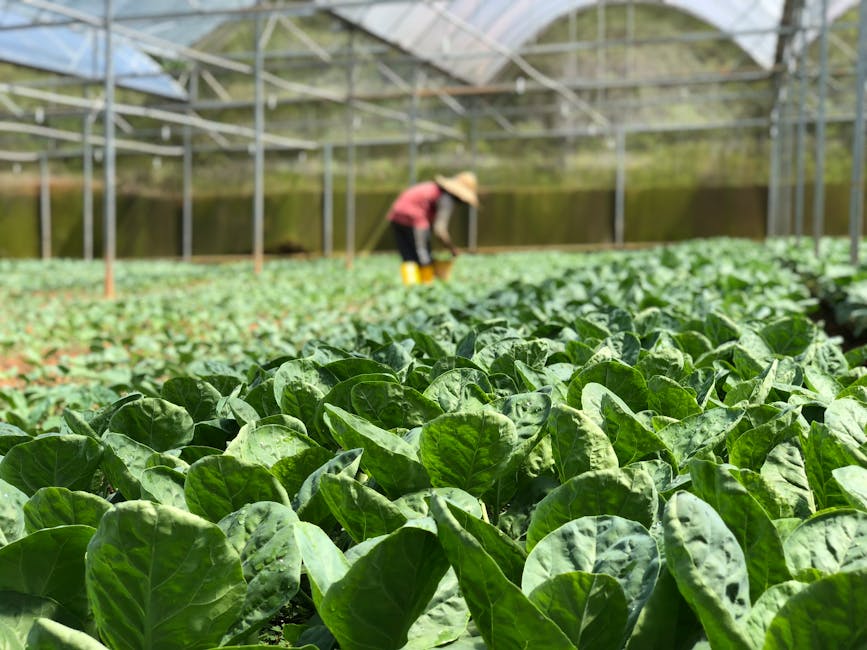
Lasagna Gardening Technique for Resilient and Biodiverse Horticultural Soils
Create fertile, resilient soils by layering organic matter, mimicking natural processes and fostering soil microbiota.

Botanical Selection and Ecological Management for Urban Extensive Green Roofs
Investigates physiological criteria and plant diversity for extensive green roofs, emphasizing water management, substrates, and urban sustainability.
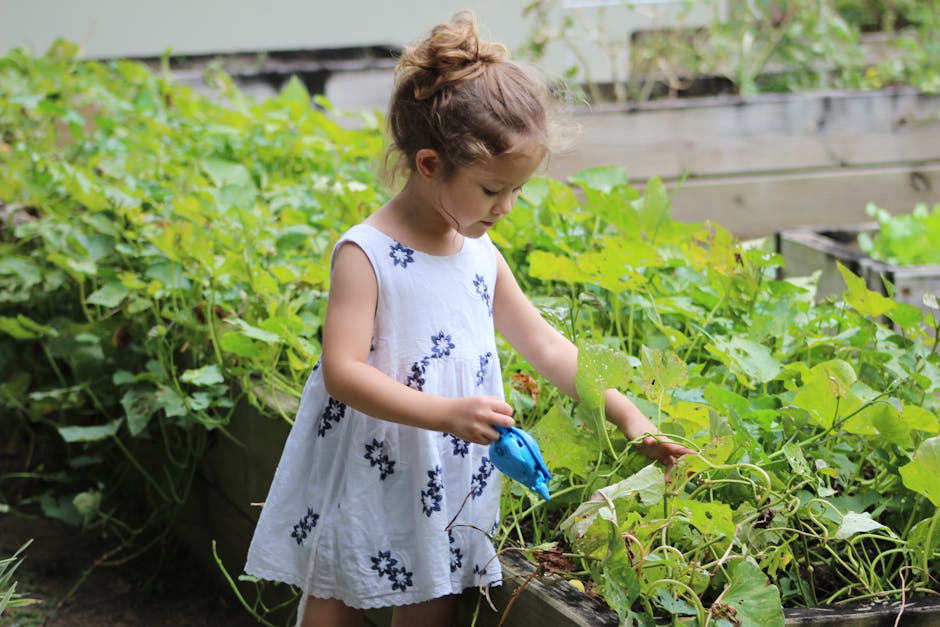
Children's Gardening: Species Selection, Substrates, and Innovative Planting Methods
Master plant selection, substrate preparation, and planting techniques for children's gardens, fostering learning and ecological awareness.
Ecological Pest Control: Integrated Methods for Sustainable Urban Gardens
Master preventive, biological, botanical, and cultural strategies for chemical-free pest management, fostering resilient garden ecosystems.